-
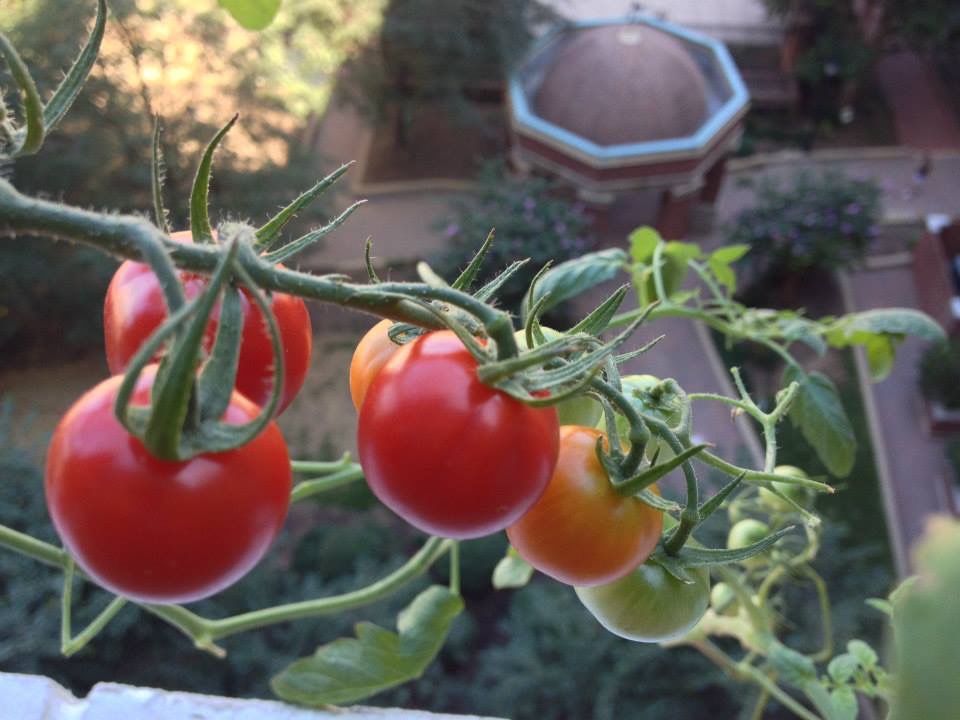
I cook as a hobby, and I maintain this blog primarily to keep track of recipes that my family has enjoyed over the years. I started blogging back in 2015, in response to requests from friends for recipes they had seen me post on Facebook (but that I couldn’t easily catalog). My original blog was on another platform that became less user-friendly over time. I migrated my blog to WordPress earlier this year, and I’ve spent more time than expected reformatting the migrated posts.
This blog is and always will be a work in progress. For example, I currently provide Tags for posts, but I have not coded for Categories. I also generally try to share the recipes themselves in my posts, but in cases where the recipe is not available online, I try to identify the source (e.g., the cookbook title and author) as needed. In some cases, such as where a family has shared their recipe with me but hasn’t authorized me to share it widely, I post a photo of the dish with that proviso.
I recently added a Search widget to this blog. On the desktop version, the Search bar appears prominently on the left hand side. But for some reason, it is hidden on the mobile app. If you’re on your phone, tap on the SHOW tab at the top left of the home page. That will reveal another screen with the Search bar.
I hope you enjoy exploring my blog and find some recipes to try.
-

We don’t make savory pastries often, but we had a craving this weekend. We tried this recipe: https://onolicioushawaii.com/curry-puffs/
Our modifications: first, instead of 3 boneless, skinless chicken thighs, we used 1 lb minced chicken. We also used 2 medium yukon potatoes and 1 medium onion. We found the seasoning (1 Tbsp S&B curry powder, 2 tsp cornstarch, 2 tsp salt, and 2 Tbsp coconut cream) sufficient but a little salty. The next time we will reduce the salt to 1 tsp or 1.5 tsp.
Second, we added 1/2 cup frozen peas to the filling. We did this for color and to dilute the salt.
Third, following the instructions we purchased only 1 box of Pepperidge Farm puff pastry (2 sheets). We gently rolled each sheet out to be approx 10×10″ and then cut each sheet into four 5×5″ squares. This used up only about 1/3 of the filling, so the next time we may use 2 (possibly 3) boxes of puff pastry for this amount of filling.
After applying egg wash to each scored turnover, we baked it in a preheated 400 degree oven for 20 mins. (Aug. 2024)
-
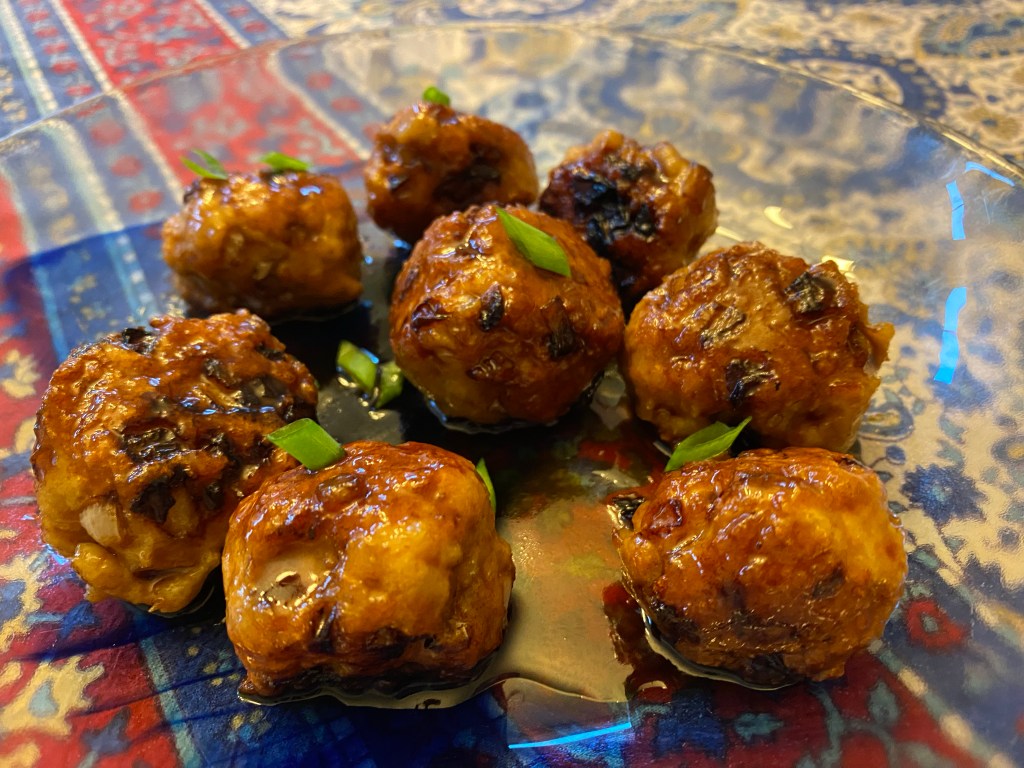
My husband loves meatballs of all kinds. So we tried this recipe: https://www.vietworldkitchen.com/blog/2019/09/japanese-chicken-meatballs-recipe-tsukune.html
As written, the recipe calls for 14 oz ground chicken, but we had 16 oz (1 lb) from the supermarket. We adjusted the recipe by slightly tweaking the other meatball ingredients (e.g., mounded), but we left the sauce amount the same as in the recipe.
The most challenging part of the meatball recipe was figuring out how much extra egg white to include (we settled on 1/4 of the white from a large egg). We also determined that it’s better to make smaller meatballs (1 to 1 1/4 inch diameter) to ensure that the inside gets fully cooked without burning the outside. (July 2024)
-
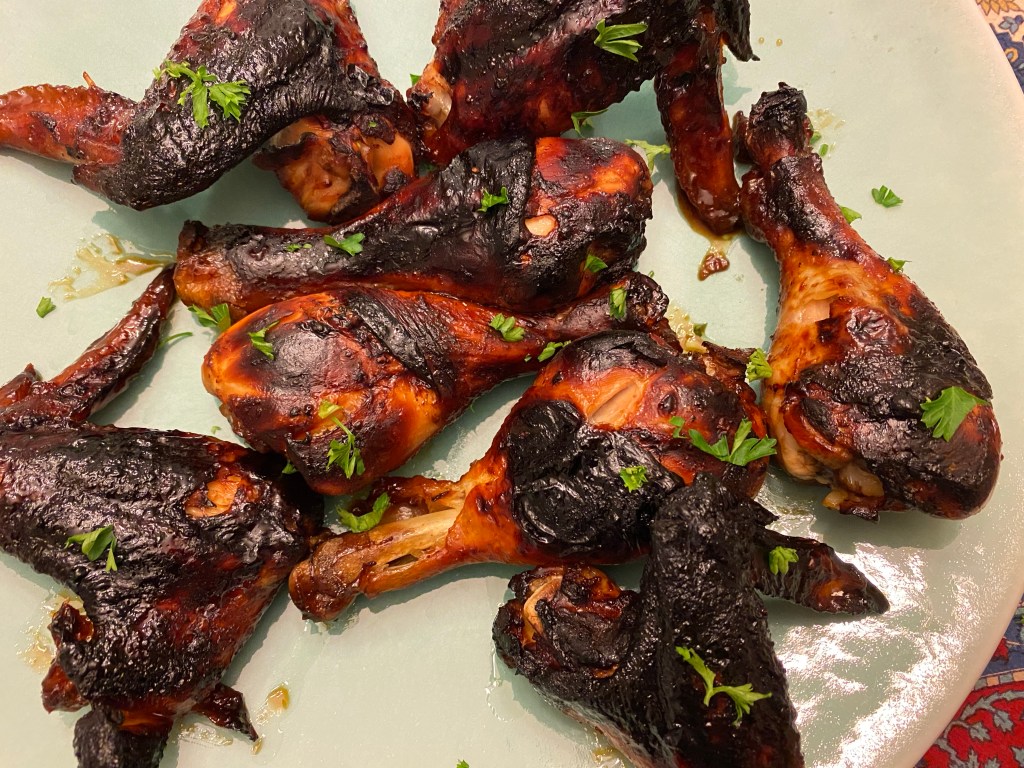
We bought a lot of chicken drumsticks and wings preparing for a dinner party later this week, so we decided to use some extra pieces (5 drums, 5 wings) for this recipe: https://alexandracooks.com/2013/02/26/honey-soy-chicken-drumsticks-thighs-or-wings/
Our modifications: first we slightly reduced the soy sauce to 1/3 cup (down from 1/2 cup) and honey to 7/8 cup (down from 1 cup). We also used no-salt ketchup. Second, we did not trim the wings, and we placed them in the same rectangular baking dish (12 x 9″) as the drumsticks, rather than using a baking sheet. Third, for the first 60 mins, we baked at 400, then for the final 15 mins, we reduced the temperature to 375. The honey and soy created great caramelization. This dish was sticky, crispy, and delicious. (July 2024)
-
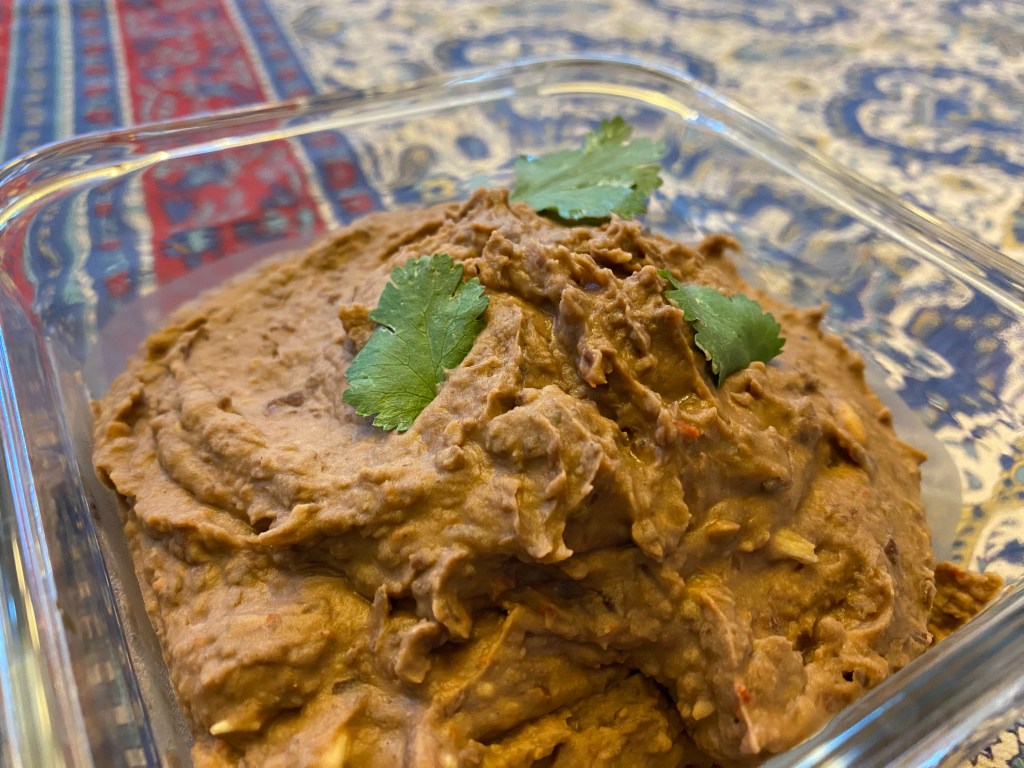
We made this recipe, but with significant modifications: https://vanillaandbean.com/chipotle-black-bean-dip/
Our modifications: first, we omitted the cilantro from the puree, using it only as garnish. Second, instead of pureeing the raw ingredients, we first heated the black beans (no-salt canned, rinsed and drained), garlic, chipotle en adobo, cumin, and a sprinkle of salt (1/4 tsp) in a small pot until heated through. Then we poured the contents into our blender (we used a Braun handheld mixer) and added juice from one whole lime (not a half a lime). Once blended, we placed the black bean puree in a container with a lid (to avoid oxidation). We plan to use this puree as filling for bean and cheese burritos. (July 2024)
-
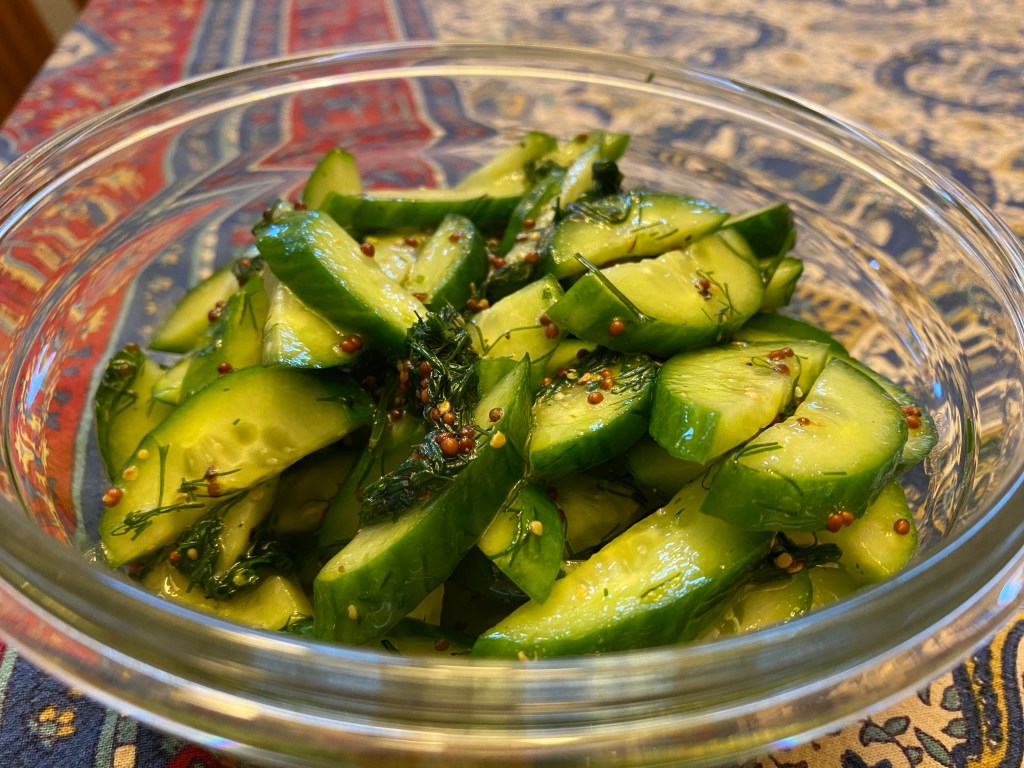
We tried this recipe: https://frommybowl.com/crunchy-cucumber-dill-salad/
Our modifications: first, we used 3 Persian cucumbers, which we halved lengthwise and cut into 1/4″ slices on a diagonal. Second, for the red wine vinegar, whole grain mustard, and olive oil marinade, we added 1 tsp rice vinegar (Marukan green label) and 1/2 tsp sugar for brightness. (July 2024)
-
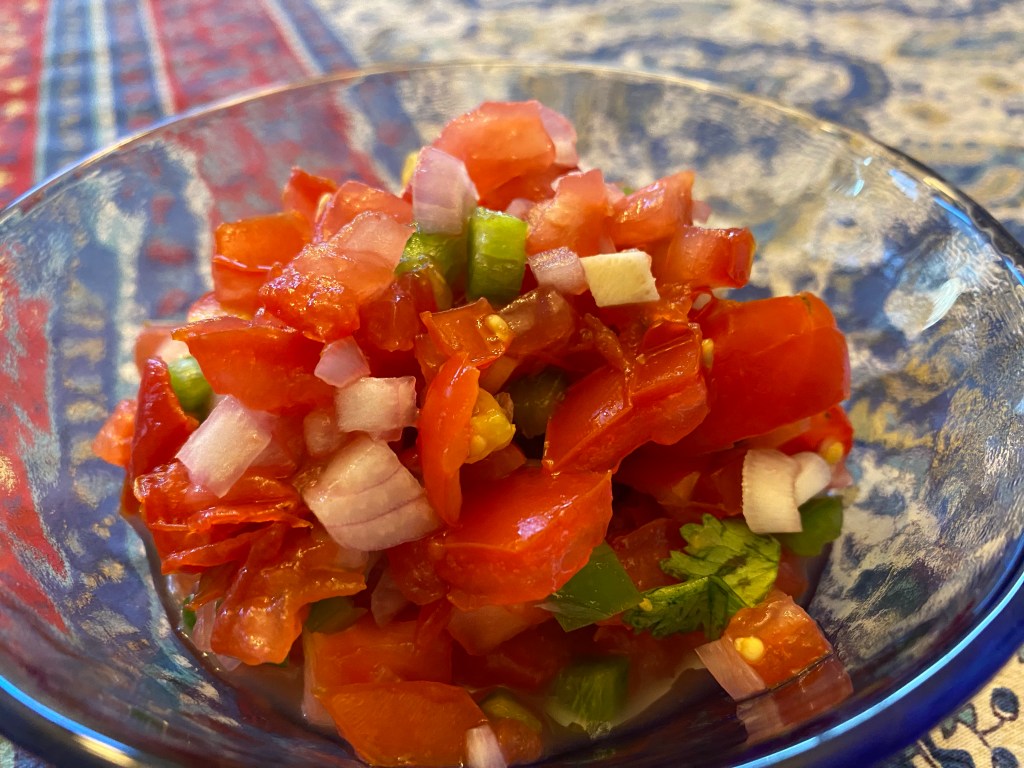
We made this recipe from Cookie and Kate: https://cookieandkate.com/classic-pico-de-gallo-recipe/ We prepared this condiment to season the bean filling for bean and cheese burritos: https://cooking.nytimes.com/recipes/1022532-bean-and-cheese-burritos?smid=ck-recipe-iOS-share.
We used 3 vine-ripened tomatoes (seeds and liquid removed, then finely diced) plus about 1/2 cup cherry tomatoes from our garden (finely diced). We reduced the cilantro to 1 Tbsp. At the end of marinating the pico de gallo, we added a dash (about 1/2 tsp) of sugar and additional lime juice (about 1 tsp) for brightness. This was very tasty, and we enjoyed it with tortilla chips. (June 2024)
-
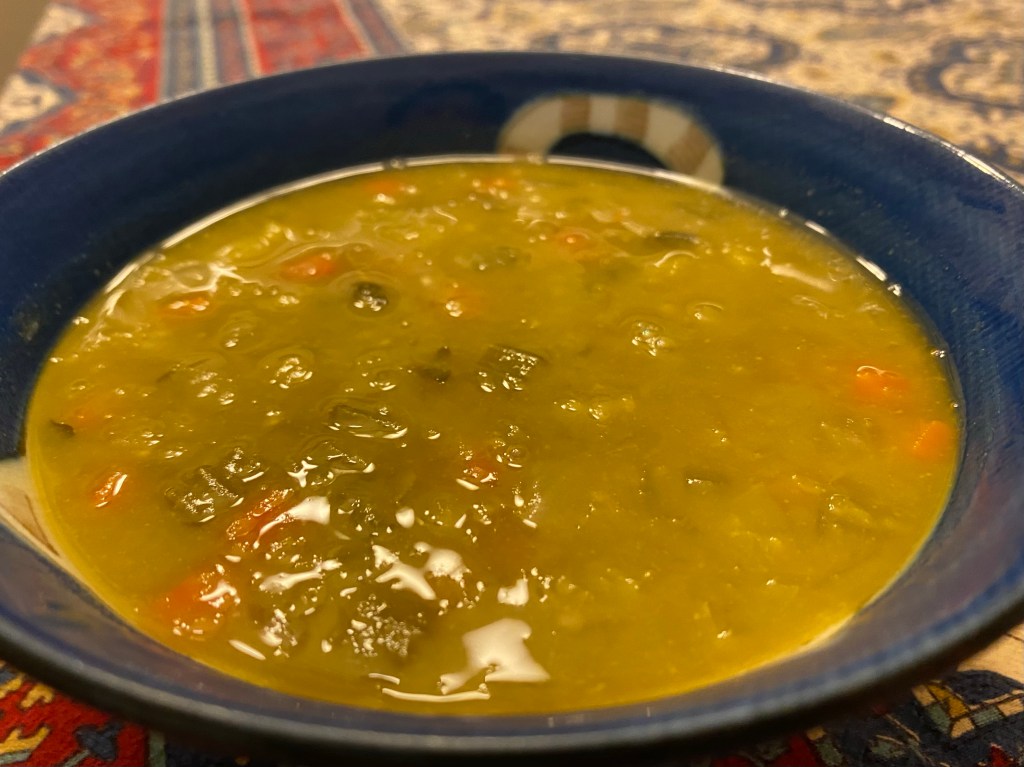
We had a craving for split pea soup, and we wanted to give our new Instant Pot another spin. We tried this recipe: https://www.acouplecooks.com/instant-pot-split-pea-soup/
We followed the recipe closely, except that we tossed in a few sprigs of thyme along with the peas (picked over and rinsed), 1 tsp salt, and 8 cups broth. We also used no-salt chicken broth (while this recipe is vegetarian, our version is plant-forward). We found the use of raw, microplaned garlic at the end of cooking too pungent; in the future we will use 2 minced garlic cloves and cook them a minute later than the onion. (June 2024)
-
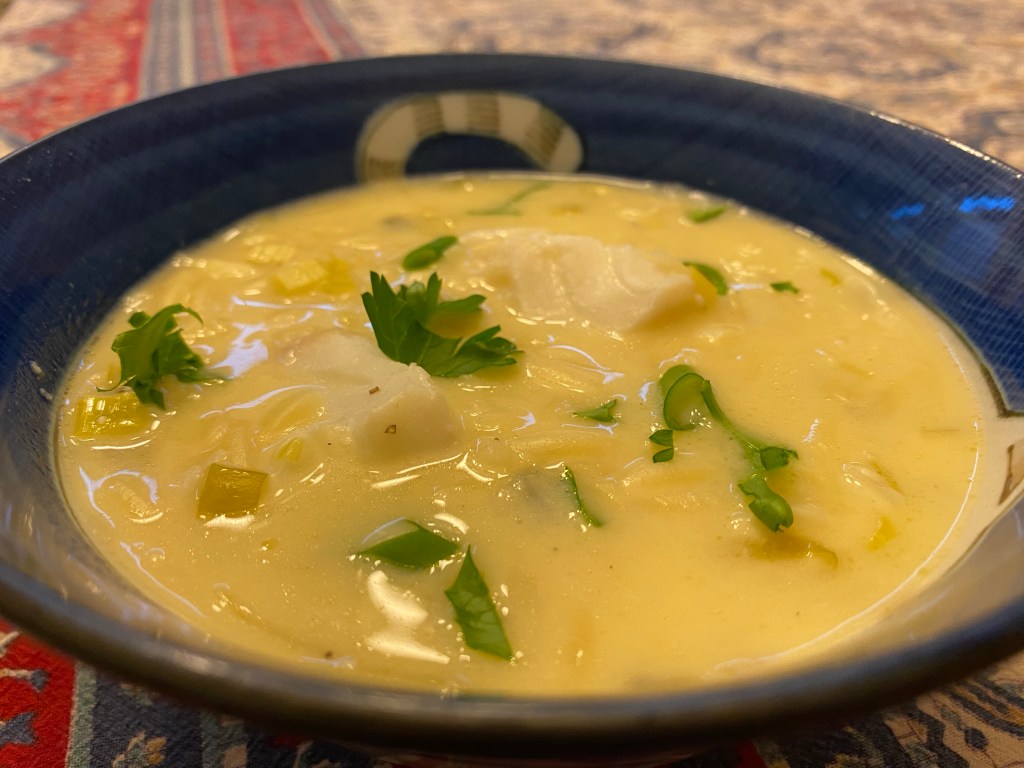
We love avgolemono (Greek lemony chicken soup), and we tried this version using cod and orzo: https://cooking.nytimes.com/recipes/1023805-lemony-fish-and-orzo-soup?smid=ck-recipe-iOS-share To our surprise, the recipe didn’t call for any dill. We found the soup needed more brightness, so we added more lemon juice at the end (we ended up using one entire medium lemon for the entire recipe). We garnished each serving with scallion greens and parsley.
Because we wanted to save leftovers, we poached only half of the cod and plan to poach the remainder of the raw cod tomorrow. (June 2024)
-
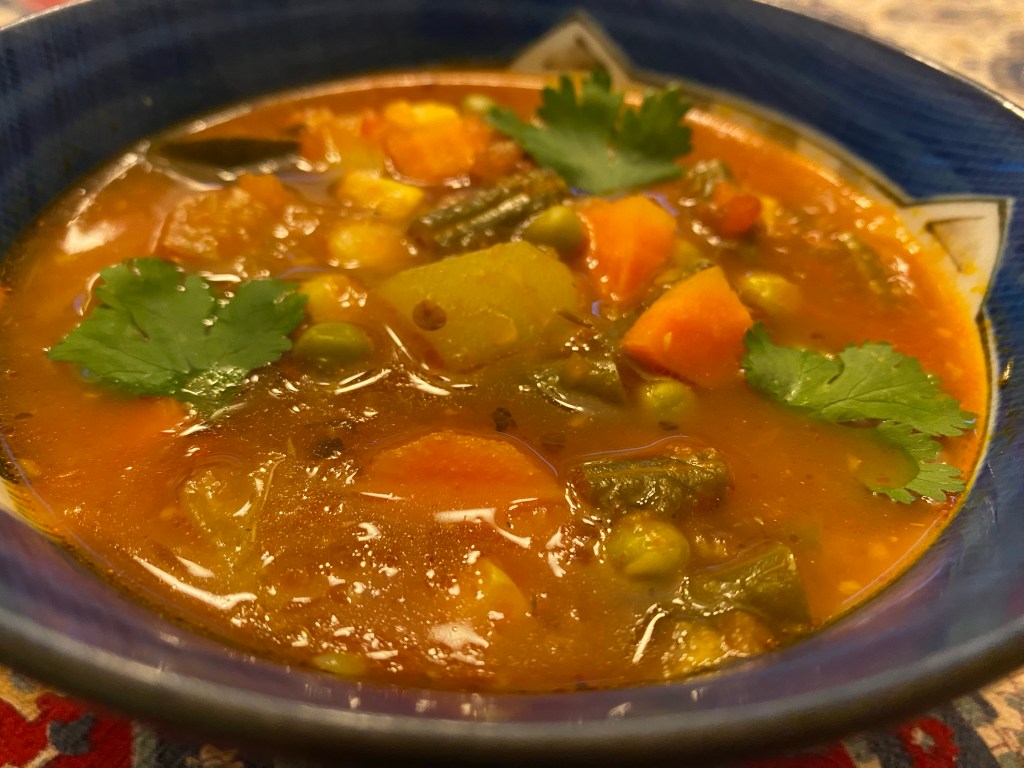
We were in search of a plant-forward soup with Mexican flavors, so we tried this recipe: https://www.karenskitchenstories.com/2023/01/mexican-vegetable-soup-with-chipotles.html We found the blogger’s recipe frustratingly incomplete (for example, she called for “some chicken broth” but did not specify the amount). Regardless, this soup was very tasty. Note: this recipe easily could be vegetarian if you use vegetable broth instead.
Our modifications: first, for the tomatoes we used 2 medium vine-ripened tomatoes (roughly diced) plus 8 oz no-salt diced tomatoes (including liquid) combined with 2 garlic cloves and 1/4 cup water (which didn’t yield enough liquid in the end, so the next time we will increase water to 1/2 cup). Second, for the chunky vegetables, we used: 1 large chayote, 2 medium carrots, 4 baby yukon potatoes (peeled), 1/2 lb green beans; and also 1 zucchini, and 1 cup each corn kernels and peas. Third, as noted earlier the recipe failed to specify the amount of chicken broth; we tentatively guessed 4 cups (1 quart), and we used no-salt chicken broth. Fortunately, we guessed correctly. Fourth, this soup took longer to cook in order for the vegetables to be tender; we ended up simmering on low for about 20 extra minutes. Finally, we added a dash of sugar and salt at the end for balance, and we garnished each serving with fresh cilantro. The smokiness of the chile en adobo adds umami. This soup would be excellent with a corn tortilla. (May 2024)
-
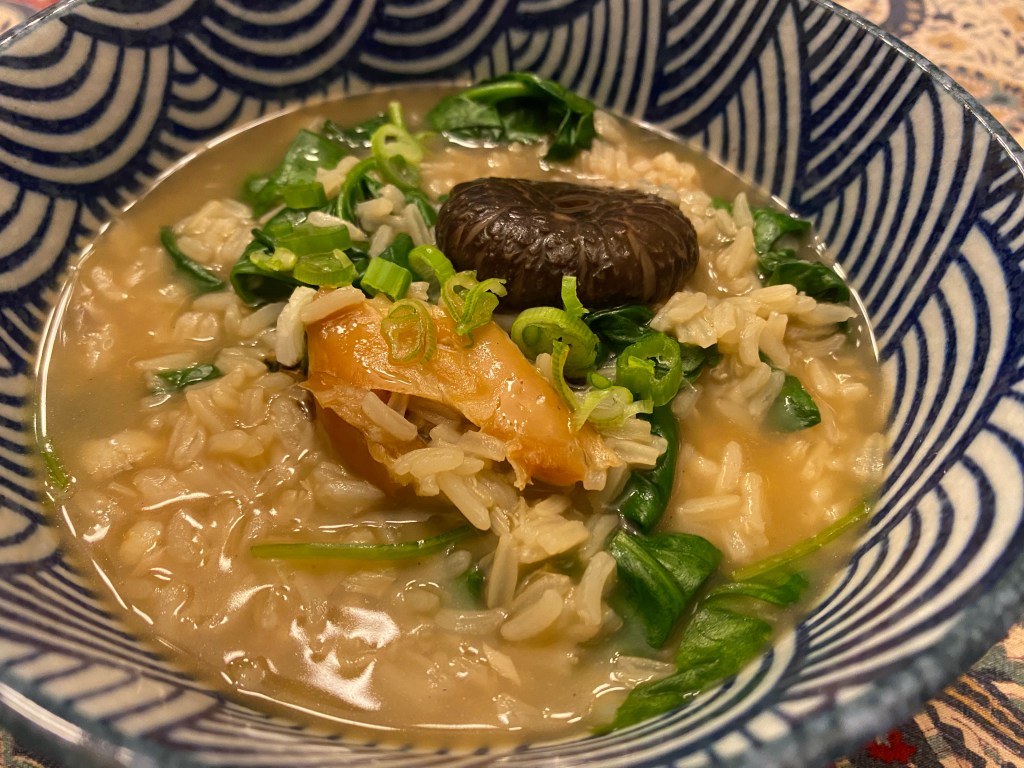
We were craving a light, broth based soup with rice, so we tried this recipe: https://www.recipetineats.com/chinese-rice-soup/ This was a quick and easy pantry recipe that yielded surprisingly complex flavors.
Our modifications: first, for the protein we used 4 oz Trader Joe’s smoked trout (i.e., 1 fillet), which we soaked in water for about 20 mins to reduce sodium. We then removed the skin and gently tore into 2-inch pieces by hand. Second, for the vegetable we used about 2.5 oz fresh baby spinach. Third, we added 1 dried shiitake to the simmering broth for umami. Fourth, we found the liquid to rice ratio resulted in a too-viscous congee; the next time we will use 6 cups liquid (4 cups no-salt chicken broth plus 2 cups water) for 3/4 cup uncooked jasmine rice, or 5 cups liquid for 1/2 cup rice. We also increased the heat to a rolling simmer, partially covered, in order to properly cook the rice. Finally, we found 1/4 tsp white pepper overpowering and will reduce to 1/8 tsp in the future. Upon serving, we garnished with finely diced scallion (its use wasn’t specified in the recipe). (May 2024)
-
Subscribe
Subscribed
Have a WordPress.com account? Log in now.

