-
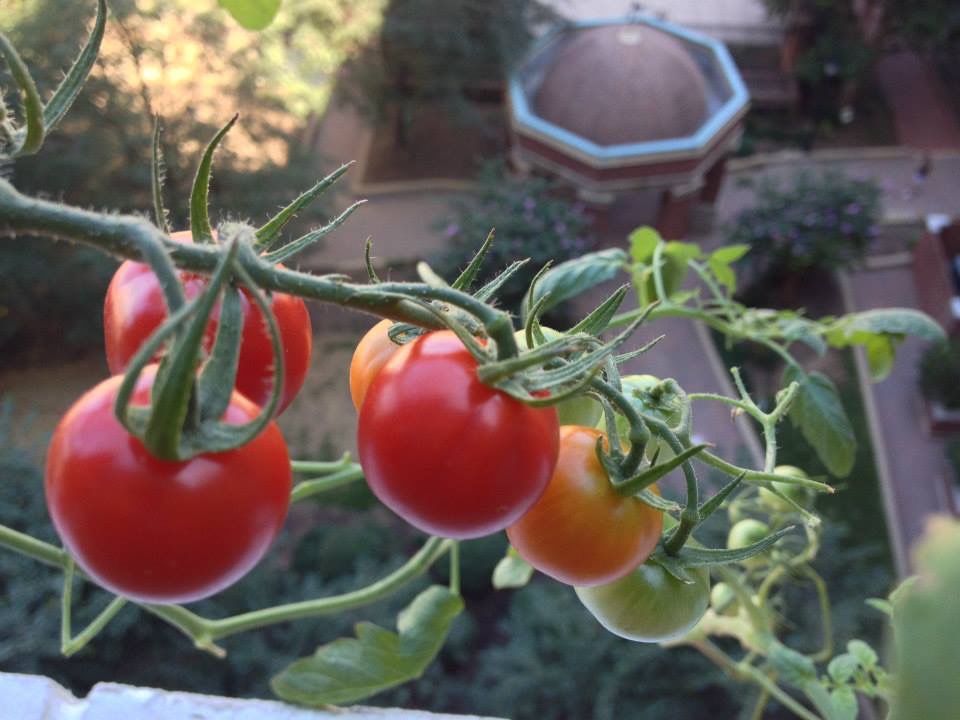
I cook as a hobby, and I maintain this blog primarily to keep track of recipes that my family has enjoyed over the years. I started blogging back in 2015, in response to requests from friends for recipes they had seen me post on Facebook (but that I couldn’t easily catalog). My original blog was on another platform that became less user-friendly over time. I migrated my blog to WordPress earlier this year, and I’ve spent more time than expected reformatting the migrated posts.
This blog is and always will be a work in progress. For example, I currently provide Tags for posts, but I have not coded for Categories. I also generally try to share the recipes themselves in my posts, but in cases where the recipe is not available online, I try to identify the source (e.g., the cookbook title and author) as needed. In some cases, such as where a family has shared their recipe with me but hasn’t authorized me to share it widely, I post a photo of the dish with that proviso.
I recently added a Search widget to this blog. On the desktop version, the Search bar appears prominently on the left hand side. But for some reason, it is hidden on the mobile app. If you’re on your phone, tap on the SHOW tab at the top left of the home page. That will reveal another screen with the Search bar.
I hope you enjoy exploring my blog and find some recipes to try.
-

We have been exploring weekend casseroles to make for weekday lunches. We tried this recipe: https://www.feastingathome.com/no-boil-mushroom-baked-ziti/
Our modifications: first, for the mushrooms, we followed a 2:1 ratio of cremini to oyster. Second, for Italian herbs, we used crushed red pepper and dried Greek oregano. Third, to reduce sodium in the sauce, we used only 16 oz Rao’s marinara and supplemented with 8 oz no-salt tomato sauce. In addition, we used 2 cups no-salt chicken broth. We added sugar (about 2 tsp) for balance. Finally, for the cheese, we used 7.5 oz ricotta, 1/2 lb sliced mozzarella, and 2 Tbsp shredded Parmesan.
We also doubled the recipe (but I am listing the amounts above in proportion to the original recipe as written). Accordingly, we had to transfer the contents of the pot (pasta, mushrooms, spinach, broth, and sauce) to baking dishes (9×12″ and 8×8″). Then we layered on dollops of ricotta, mozzarella slices, and then a light sprinkle of shredded Parmesan across the top surface of the baking dishes. We then covered with foil and baked in a preheated 400 degree oven for 40 mins, then removed the foil and browned each casserole dish (one at a time) under the broiler. When serving, we garnished with fresh julienned basil. (Mar. 2025)
-
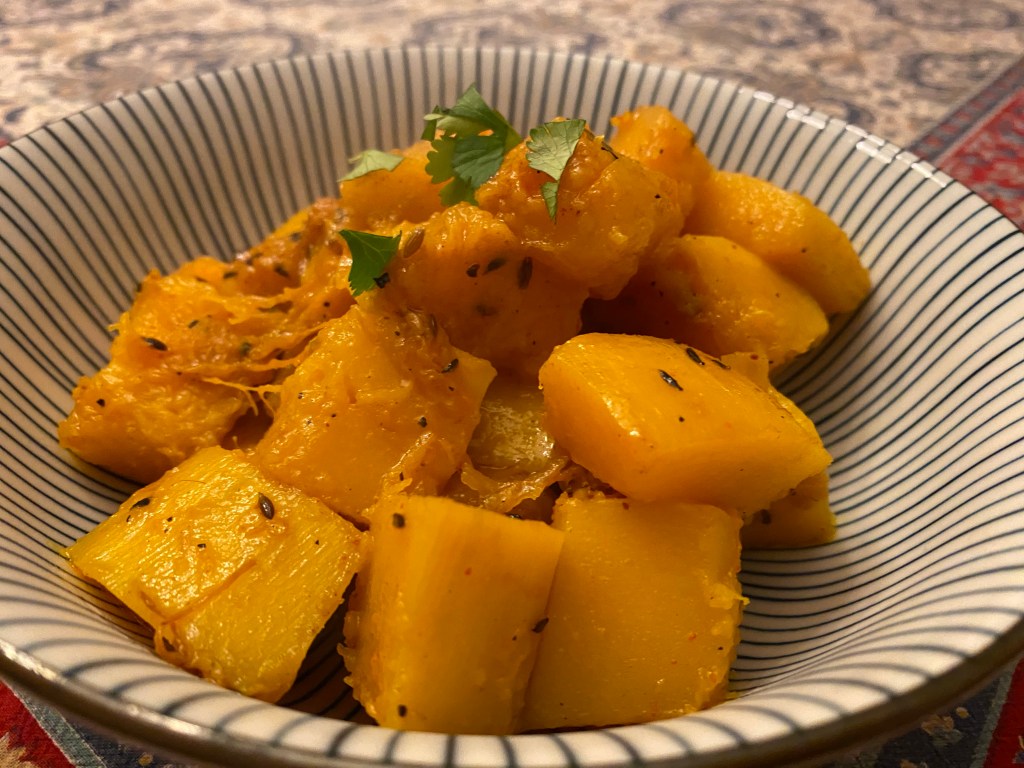
We made this recipe for sweet and spicy butternut squash from Shubra Ramineni’s cookbook, Healthy Indian Vegetarian Cooking. Recipe to come (Feb. 2025)
-
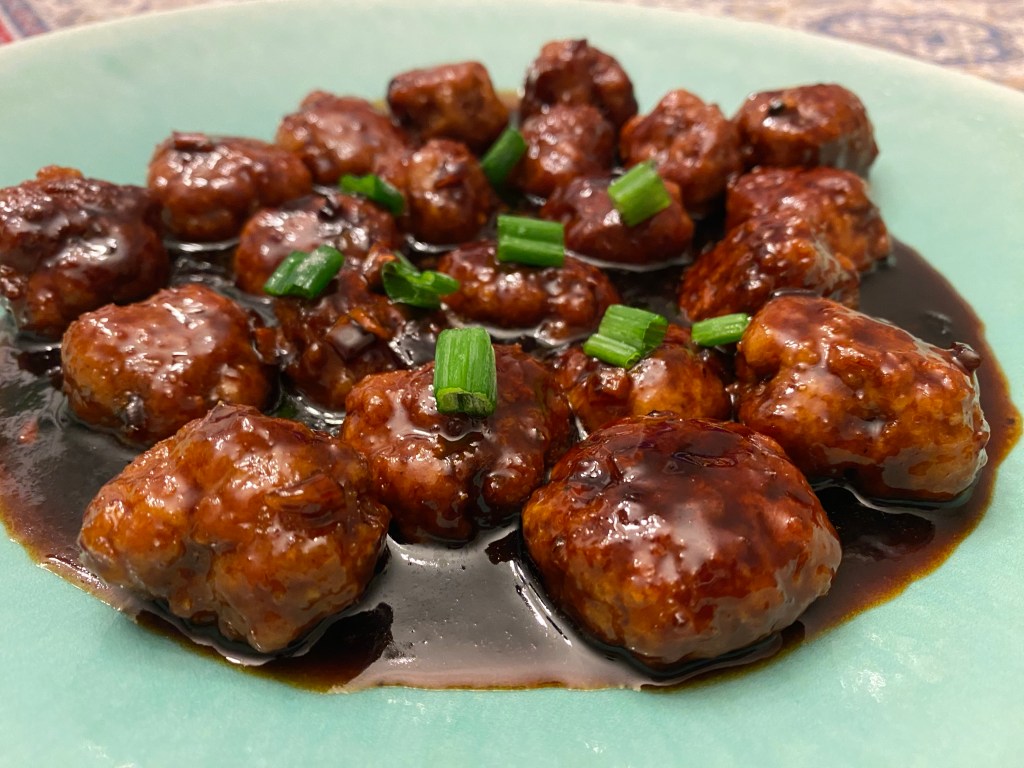
We had leftover soy-honey glaze from chicken drumsticks: https://alexandracooks.com/2013/02/26/honey-soy-chicken-drumsticks-thighs-or-wings/. The glaze was so delicious that we couldn’t toss the remaining 8 oz (about 1/2 the amount of sauce needed). We decided to repurpose the sauce.
First, we made chicken meatballs (but not the sauce) from this recipe: https://www.cookedandloved.com/recipes/chicken-meatballs-honey-garlic-soy-sauce/
Second, using the first recipe, we made a 1/2 batch of sauce, which we heated in a sauce pan (to start the caramelization process) on medium-low heat. In the meantime, we browned the meatballs in two batches in a large nonstick pan.
After the meatballs were two-thirds cooked, we added the newly made sauce (from the sauce pan) to the nonstick pan and heated on medium. After the sauce reduced a little, we added our leftover sauce to the sauce pan. We let the sauce bubble (with the meatballs embedded) for about 5-7 mins, and then we served with rice. (Feb. 2025)
-
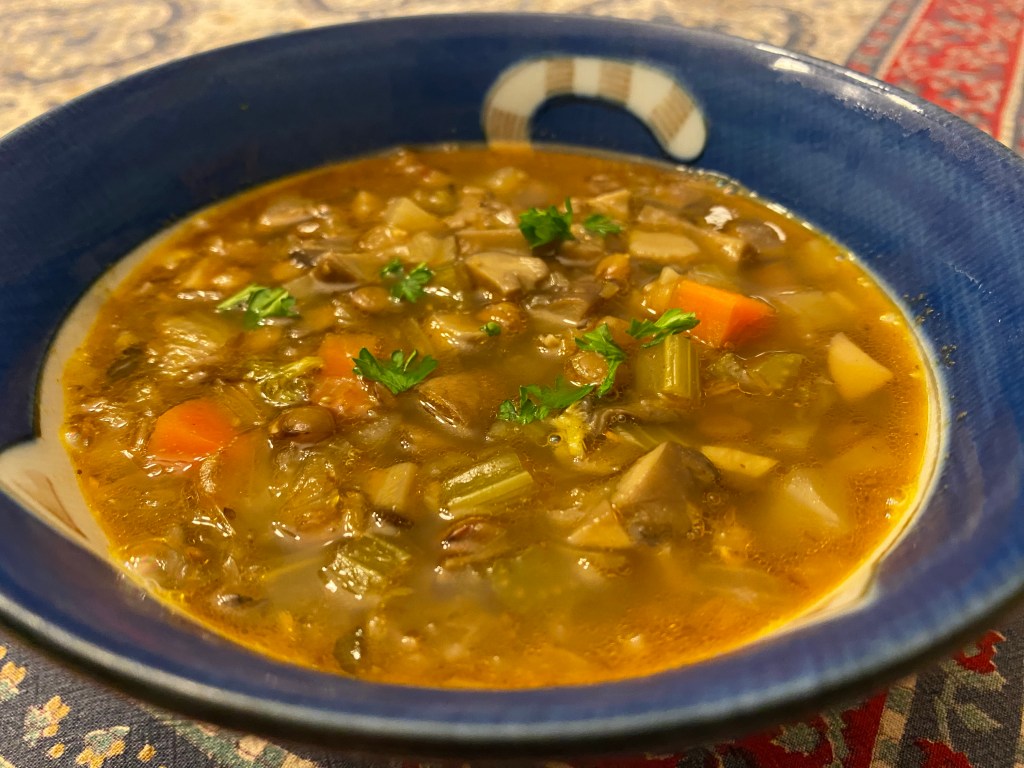
We sought a healthy, plant-forward soup with a different flavor profile than we typically eat. So we tried this recipe: https://www.feastingathome.com/lentil-mushroom-soup/. It was delicious.
Our modifications: first, we added 1 medium diced carrot along with the mushrooms. For the 1 lb mixed mushrooms, we used 8 oz cremini, 4 oz white button, and 4 oz oyster. Second, for the broth, we started with 5 cups broth (1 quart unsalted + 1 cup Better Than Bouillon), but we eventually ended up with 5 3/4 cup broth (because the lentils kept absorbing liquid). Third, we used 1 medium fresh fennel (diced) and anise seed (which we crushed using a mortar & pestle) with trepidation, imagining the soup would taste like five spice blend. But as it turned out, these strong licorice flavors mellowed into a complex, earthy flavor profile. Finally, at the end of cooking we added 1 tsp Worcestershire sauce for umami. We enjoyed this soup and would make it again. (Feb. 2025)
-
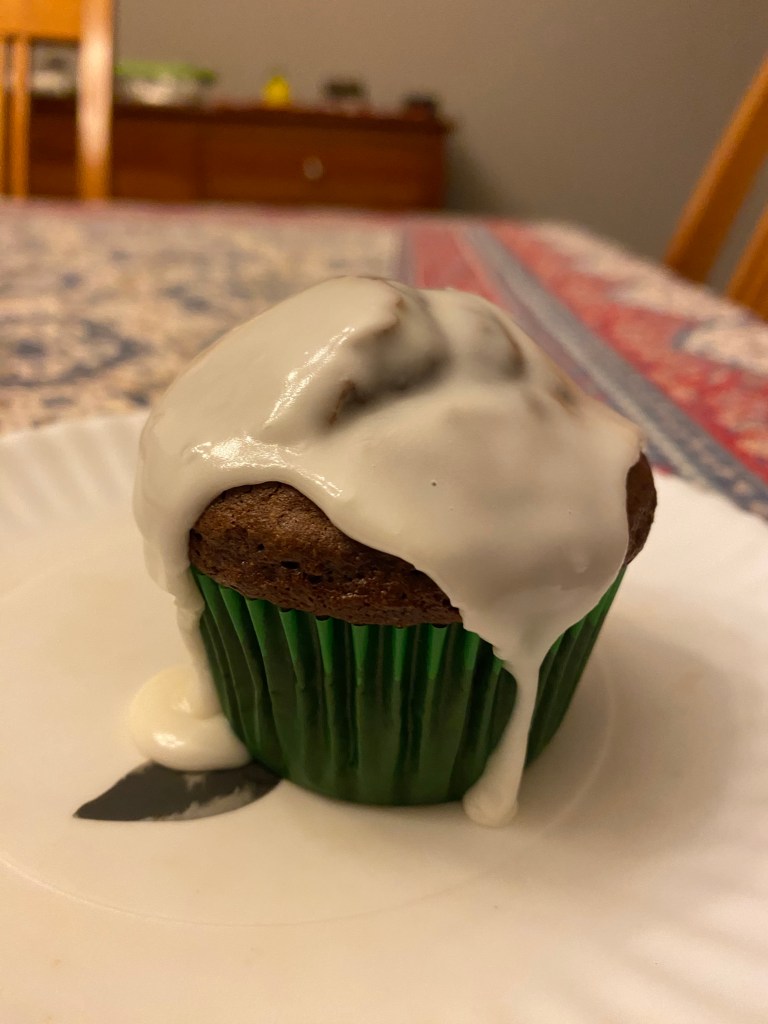
We made a boxed devil’s food cupcakes. We craved a simple vanilla icing, so we tried this recipe: https://mindovermunch.com/recipes/meals/dessert/powdered-sugar-icing/ (Jan. 2025)
-
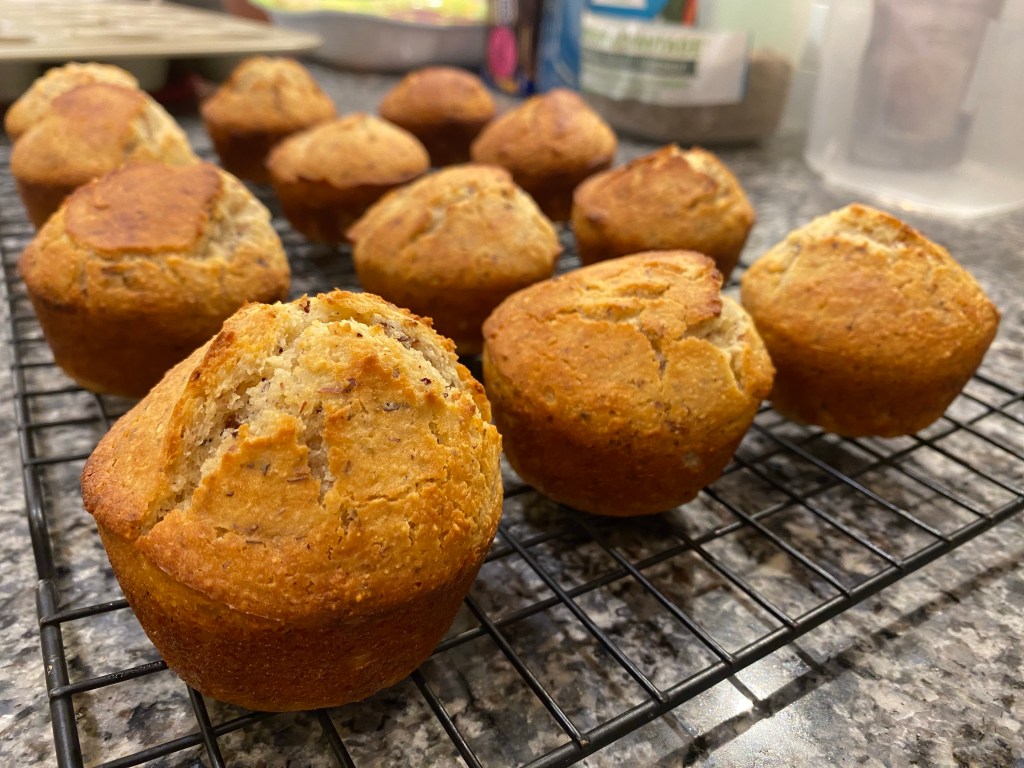
We were picking up takeout chili from a favorite cafe, and we decided to make scratch corn muffins. We tried this recipe: https://www.thepioneerwoman.com/food-cooking/recipes/a60720312/corn-muffins-recipe/
The recipe calls for buttermilk, which we rarely have in stock. We created buttermilk using milk and white vinegar by following these tips: https://cookieandkate.com/buttermilk-recipe/
The muffins turned out well. On the top row of our oven at 400, they took 16 mins for a dozen muffins. (Jan. 2025)
-
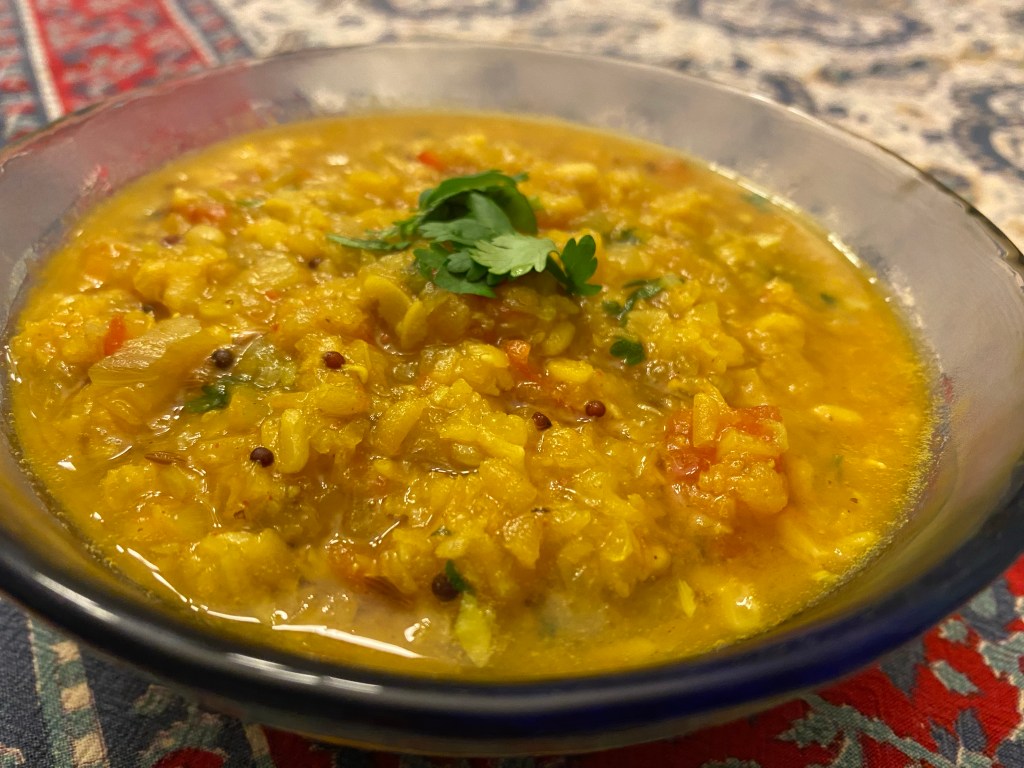
We tried this Vegan Richa recipe, which utilizes red lentil dal and moong dal: https://www.veganricha.com/dal-fry-spiced-indian-lentil-soup/
We followed the recipe, except that at the end we added 1.5 Tbsp unsalted butter for brightness and balance. We enjoyed this dal with freshly steamed basmati rice. (Dec. 2024)
Note: While the red lentils cooked as normal, the moong dal felt slightly undercooked / toothy. The next time, we will try soaking the moong dal for 15 mins (which we typically do for kichri, for example).
-
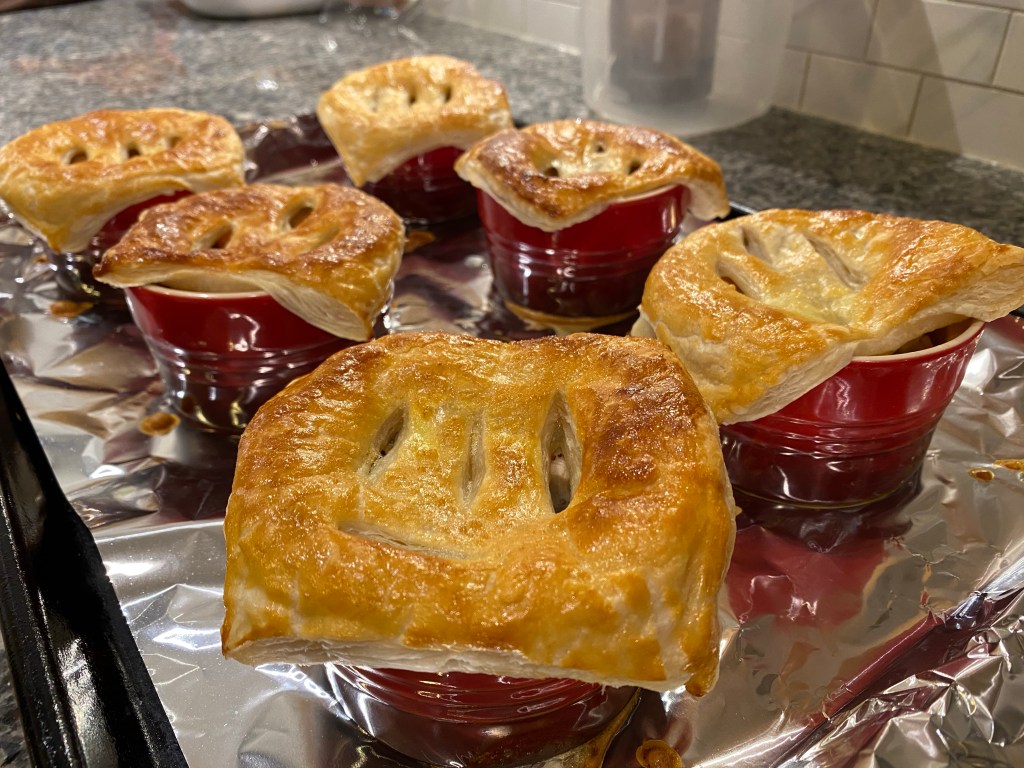
My husband loves chicken pot pie. We decided to try this recipe for Thanksgiving leftovers: https://www.jessicagavin.com/turkey-pot-pie/
We found that one single recipe (not doubling it) was more than enough for 6 ramekins and a small (14″) Le Creuset oval casserole dish. We still had 1 cup of unused filling leftover.
For the filling, we found 3 cups finely diced turkey, 1 celery stalk (1/2 cup), 1 medium carrot (1/2 cup), 1 medium onion (1 cup), and 8 oz cremini was sufficient. We agreed with the tip to saute the flour with the vegetables for a few minutes to avoid any raw flour taste. Finally, we used 1 standard box of frozen puff pastry (2 sheets). The pot pie turned out as we had hoped, with classic flavors and mouthfeel. (Dec. 2024)
-
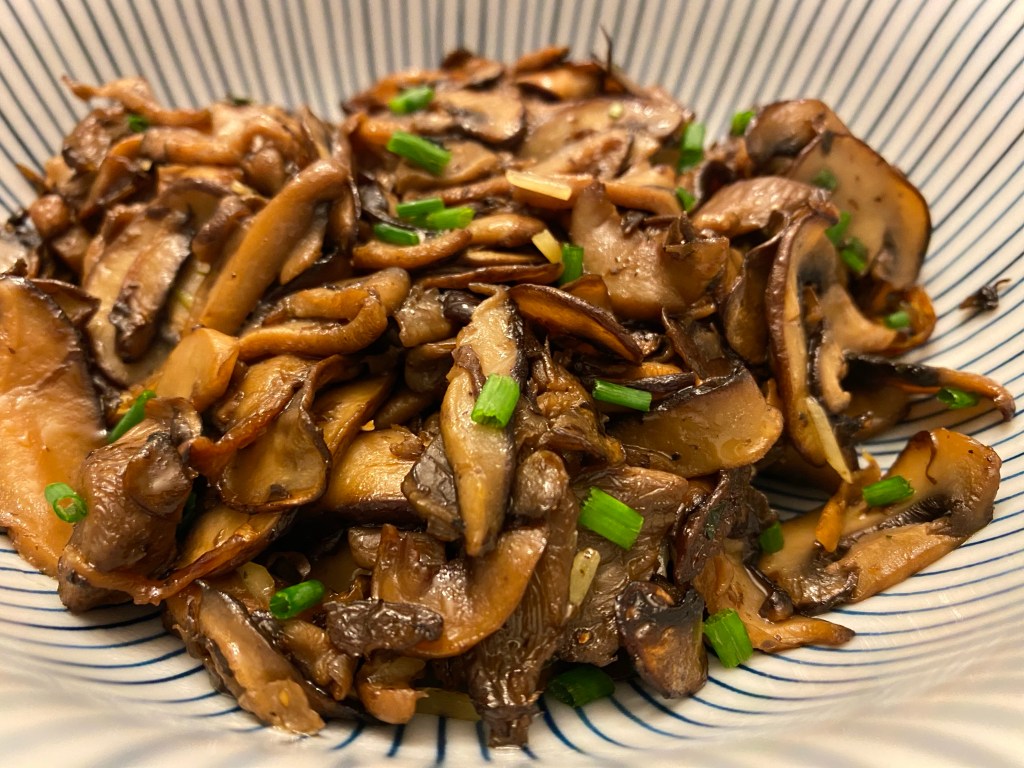
I have a weakness for crispy mushrooms; I love their concentrated flavor and chewy texture. We tried this recipe: https://cooking.nytimes.com/recipes/1025954-garlicky-mushrooms-and-herbs?smid=ck-recipe-iOS-share
For the mushrooms, we used 8 oz Smallhold Umami Mushroom Pack (royal trumpet / king oyster, shiitake, and blue oyster), 8 oz cremini, and 3.5 oz shiitakes (we went over 2 lbs). We removed the stems and thinly sliced the mushrooms caps (1/8” thick). We generally followed the instructions except we reduced Parmesan to about 1 tsp shredded. We agree with the author that the 2 Tbsp soy sauce enhances the unami flavor.
This dish was delicious, but the end product yielded only about 1.5 cups sauteed mushrooms. If you make this for a dinner party, you may want to double the recipe to 4 lb mushrooms.
-
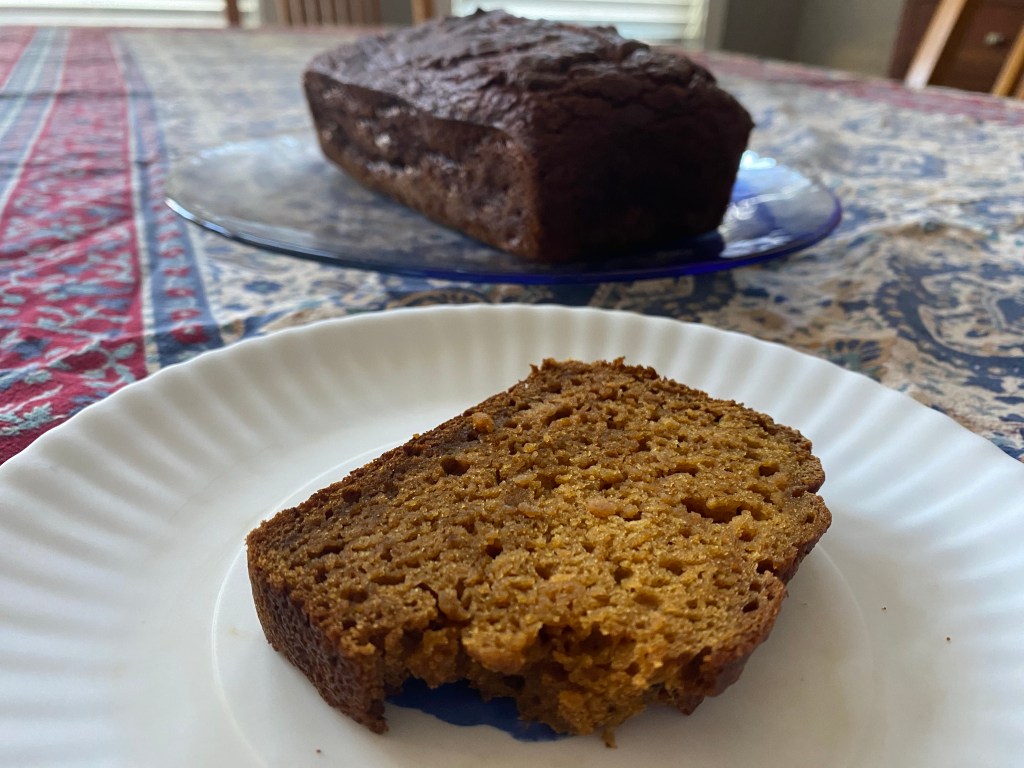
We craved pumpkin bread but wanted a healthier option, so we tried this recipe: https://www.allrecipes.com/recipe/230579/applesauce-pumpkin-bread/ This recipe uses applesauce instead of oil.
Our modifications: first, we used unsalted butter to grease two standard loaf pans. Second, we reduced the white sugar to 1.5 cups (from 2 cups) and utilized unsweetened applesauce. For the pumpkin puree, we relied on a 15 oz can, which yielded not quite 2 cups. Based on our pantry. we substituted 1/4 tsp ground nutmeg for mace. Finally, although we did not add nuts this time, we would recommend folding the nuts in after (not before) stirring in the flour. This recipe yielded a nice flavor with decent crumb. We particularly enjoyed slices of this pumpkin bread with a schmear of cream cheese. (Nov. 2024)
-
Subscribe
Subscribed
Have a WordPress.com account? Log in now.

