-
I cook as a hobby, and I maintain this blog primarily to keep track of recipes that my family has enjoyed over the years. I started blogging back in 2015, in response to requests from friends for recipes they had seen me post on Facebook (but that I couldn’t easily catalog). My original blog was on another platform that became less user-friendly over time. I migrated my blog to WordPress earlier this year, and I’ve spent more time than expected reformatting the migrated posts.
This blog is and always will be a work in progress. For example, I currently provide Tags for posts, but I have not coded for Categories. I also generally try to share the recipes themselves in my posts, but in cases where the recipe is not available online, I try to identify the source (e.g., the cookbook title and author) as needed. In some cases, such as where a family has shared their recipe with me but hasn’t authorized me to share it widely, I post a photo of the dish with that proviso.
I recently added a Search widget to this blog. On the desktop version, the Search bar appears prominently on the left hand side. But for some reason, it is hidden on the mobile app. If you’re on your phone, tap on the SHOW tab at the top left of the home page. That will reveal another screen with the Search bar.
I hope you enjoy exploring my blog and find some recipes to try.
-
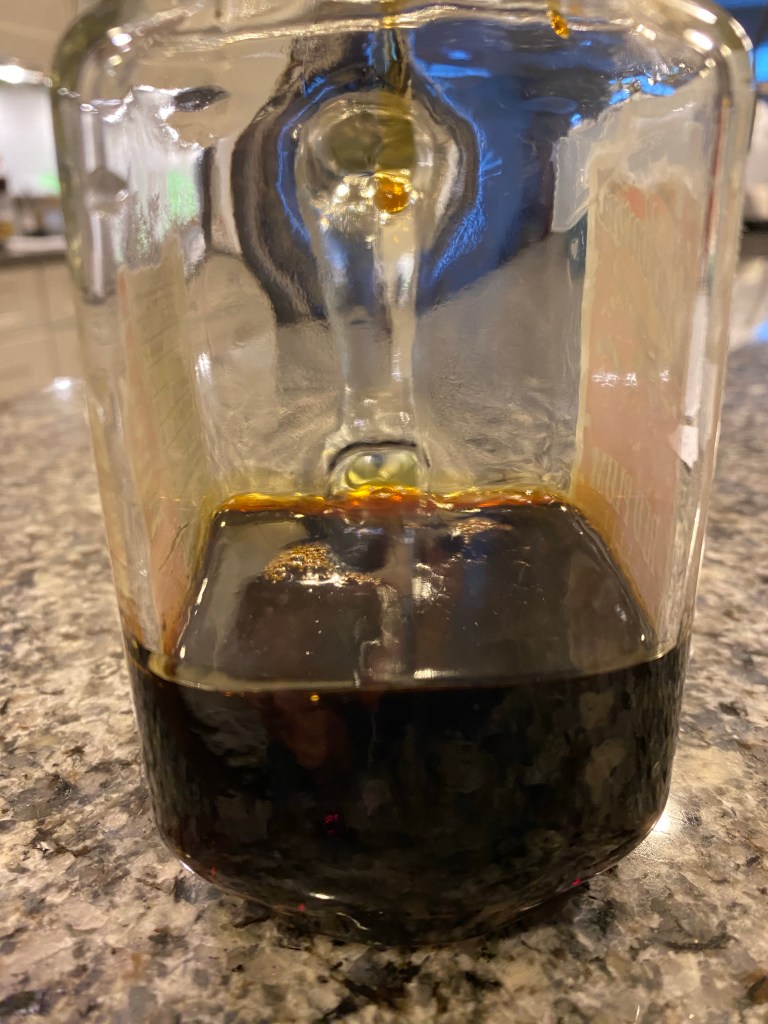
We have made Andrea Nguyen’s iconic bittersweet caramel sauce since the publication of her first cookbook, Into the Vietnamese Kitchen. We always store our homemade sauce in a beloved plum jelly jar.
This time, we tried her latest version, which she recorded in a video: https://www.vietworldkitchen.com/blog/2020/04/vietnamese-caramel-sauce-recipe-video.html The method is similar. This version includes a touch of vinegar, We used 1/8 tsp distilled apple cider vinegar. (May 2023)
-
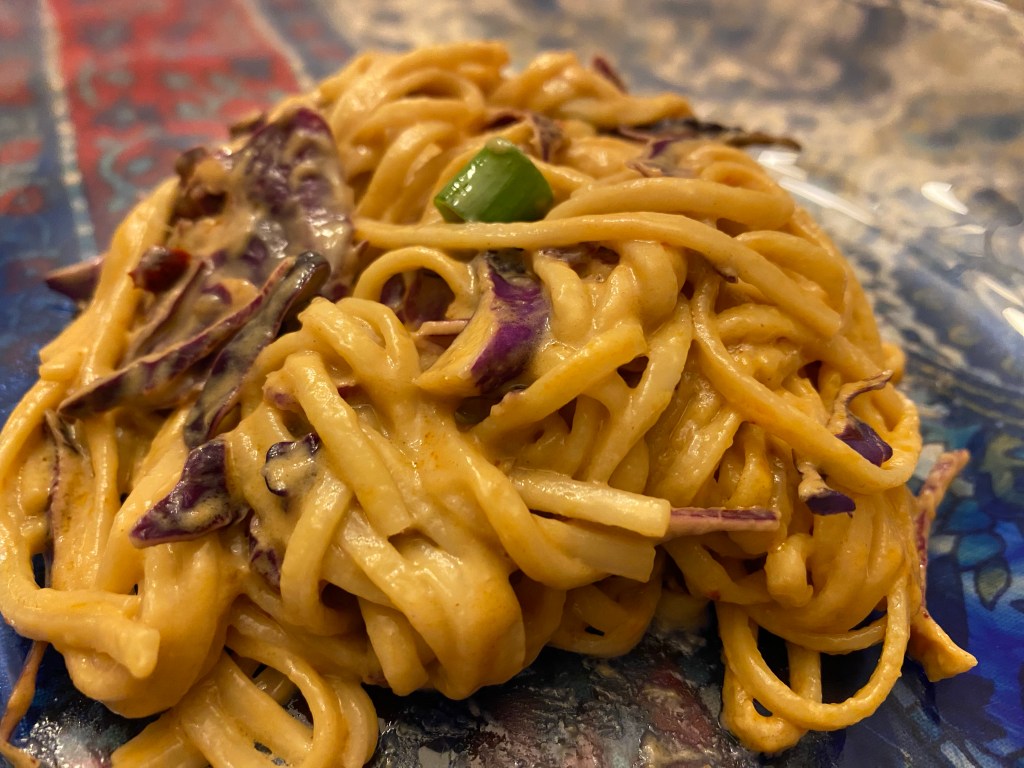
We were hungry and didn’t want a fussy meal, so we tried this recipe based on Shanghai sesame noodles: https://thewoksoflife.com/sesame-noodles/
Our modifications: first, we doubled the recipe as follows: 8 oz wheat noodles (we used dried Wang udon kuk-soo noodles, which are thinner than other brands of udon); for the sauce: 1 Tbsp sesame paste (we used tahini, which is made from raw sesame seeds), 2 Tbsp peanut butter, 2 Tbsp light soy sauce, 1 Tbsp rice vinegar (we used Marukan green label), 2 Tbsp vegetable oil, 1 tsp sugar, 10 Tbsp (5/8 cup) hot water (we used Better Than Bouillon chicken broth), and 1 tsp chili oil (including chili flakes). To mimic the depth of flavor for Chinese sesame paste (which uses roasted sesame), we added 1 tsp roasted sesame oil to the sauce, and we lightly whisked the sauce until it was smooth. Second, after mixing the cooked, drained udon to the sauce, we added 1 Tbsp chopped scallion greens and 4 oz julienned red cabbage. This was a tasty and quick, albeit very filling, meal. (May 2023)
Note: When we added the 5/8 cup hot water (hot chicken broth) to the sauce, it looked too runny. But once it mixed with the hot noodles, the sauce got absorbed and thickened to the right texture.
-
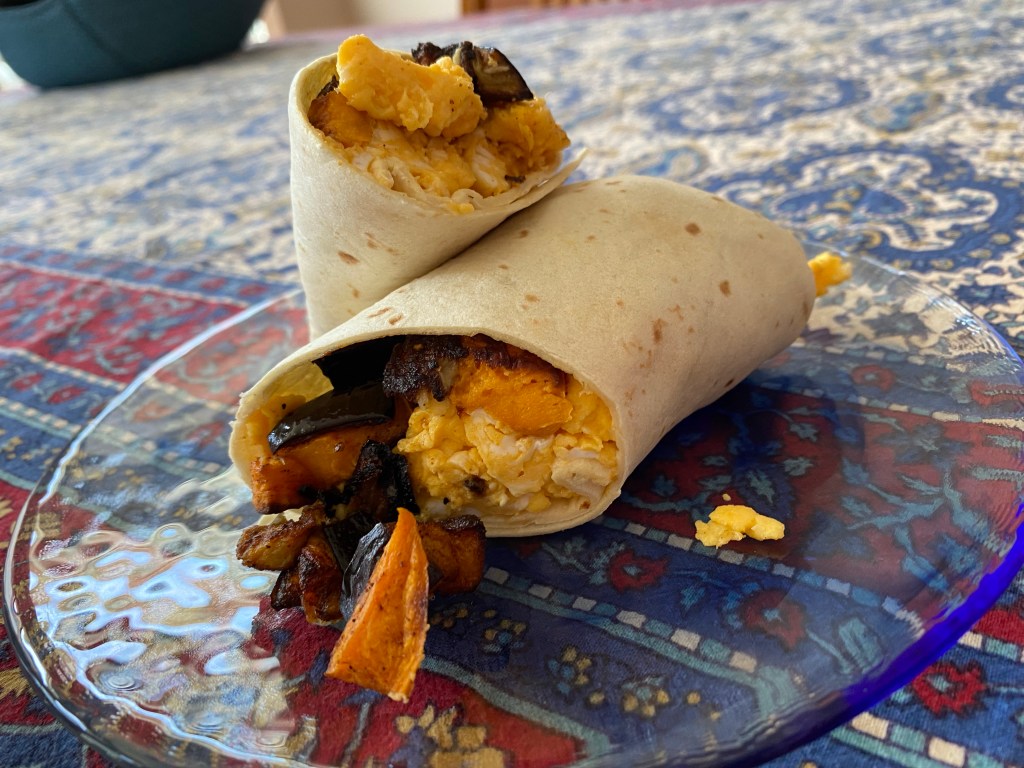
This was an ad hoc recipe that we tossed together based on our pantry:
1. Preheat oven to 425. Line two quarter sheetpans with foil, then spray foil surface lightly with neutral veg oil (e.g., canola). On the side, prepare the spice blend in a small prep bowl: 3/4 tsp smoked paprika, 1/8 (or less) tsp cayenne pepper, 1/8 tsp allspice, 1/4 tsp salt, and 1/4 tsp black pepper.
2. Dice 1.5 cups each eggplant (about 1/3 of a large one) and peeled sweet potato, placing in separate mixing bowls (we used 3/4 inch dice). Slice one large shallot vertically in 1/4 inch slices, then place half in each bowl. For the eggplant bowl, add about 2 tsp canola oil plus 1/2 the seasoning blend. Toss until eggplant/shallot is coated, then place in a single layer on one of the foil-lined sheetpans. Repeat the same method for the sweet potato/shallot. Place both sheet pans in the oven and roast until eggplant and sweet potato are fully cooked and nicely browned (about 20 mins for eggplant, 23-25 mins for sweet potato, tossing midway).
3. Towards the end of the vegetable roasting, scramble three eggs (we added about 1 Tbsp milk plus a dash of Chilula sauce to the raw egg mixture before cooking). In a separate large nonstick pan, heat two large tortillas (no oil).
4. Assemble the burrito: distribute 1/2 of the roasted eggplant/shallot, 1/2 the roasted sweet potato/shallot, and 1/2 of the cooked scrambled egg along the midline of each tortilla, leaving about 1.5 inches from the edge empty so that you can properly wrap the burrito. (May 2023)
-
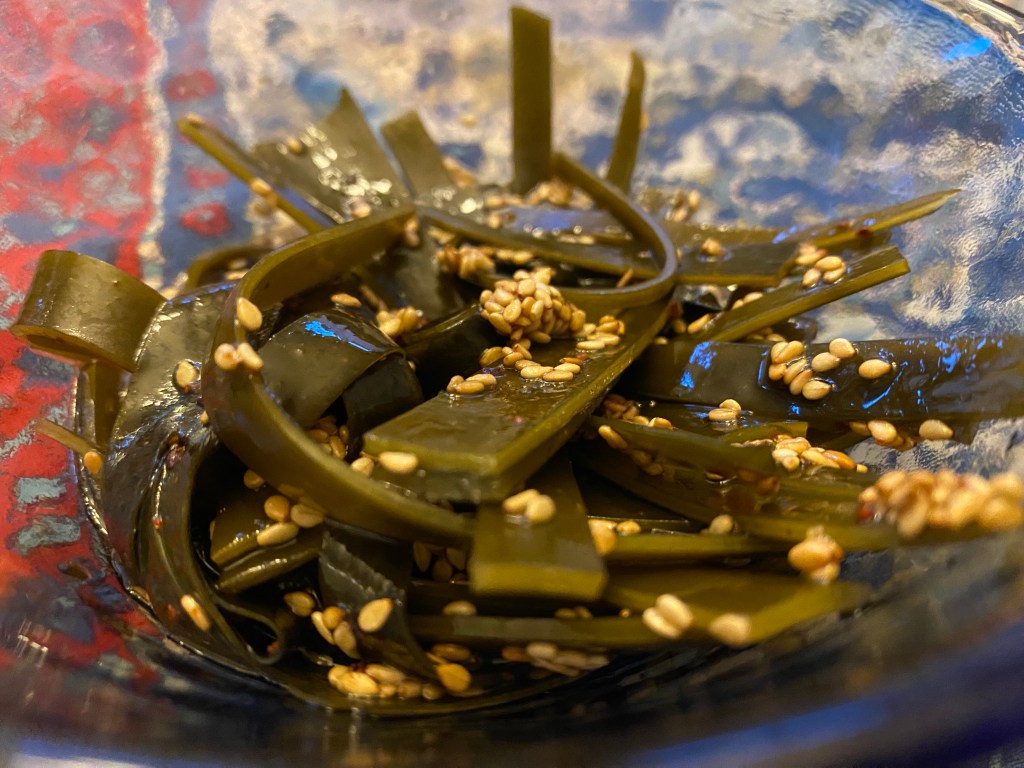
We had simmered an 8″ piece of kombu for soup base, so we repurposed the kombu for this simple salad: https://thejapanstore.us/kombu/kombu-salad-recipe/ We modified slightly to reduce the toasted sesame seeds to 1 tsp and also added 1 tsp Korean red pepper flakes. (Apr. 2023)
-
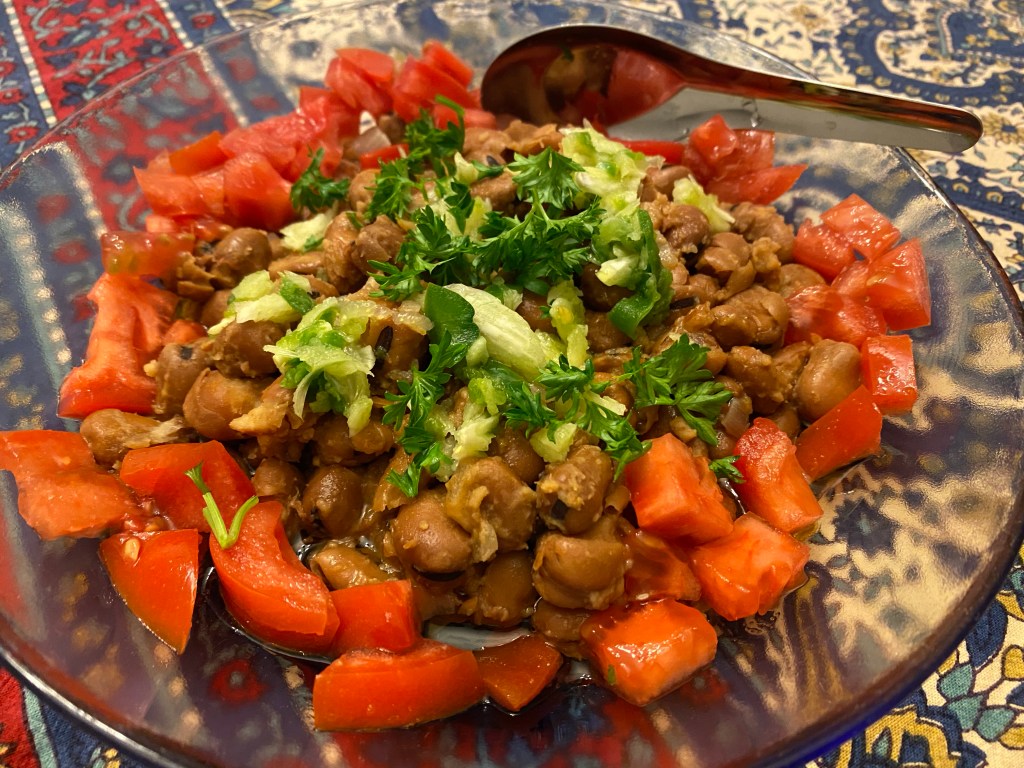
We made this recipe again, but followed the instructions pretty closely this time: https://www.themediterraneandish.com/foul-mudammas-recipe/#tasty-recipes-33099-jump-target Our minor modifications: First, we halved the recipe. Second, we drained the canned fava bean liquid before placing in our Ultimate Pan and adding 1/4 cup water. The fresh garlic / hot pepper / lemon juice dressing added a brightness to the dish. (Apr. 2023)
-
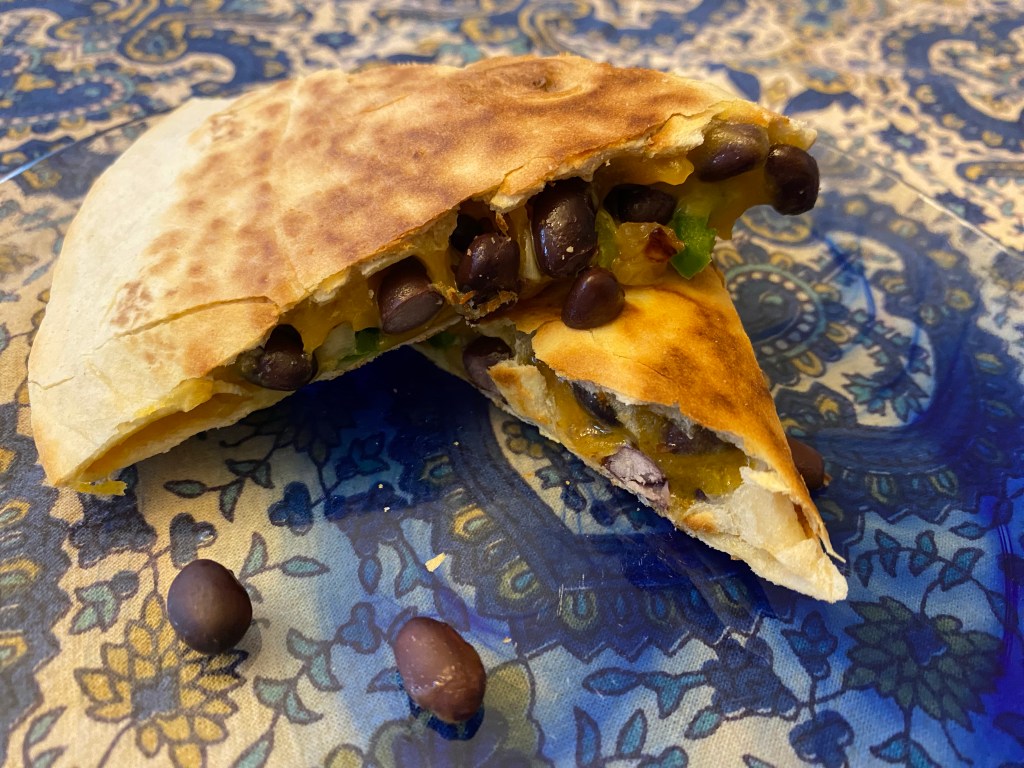
Feeling peckish, we pulled this together based on simple pantry ingredients. The recipe: https://www.papernstitchblog.com/black-bean-quesadillas/ For the onion, we used 1/2 small shallot. To minimize its sharpness, we sautéed the minced shallot in a separate pan (with a little cooking spray) before adding it as a quesadilla filling. We also used thick-cut shredded Cheddar cheese, but we may use a meltier Mexican cheese in the future. (Apr. 2023)
-
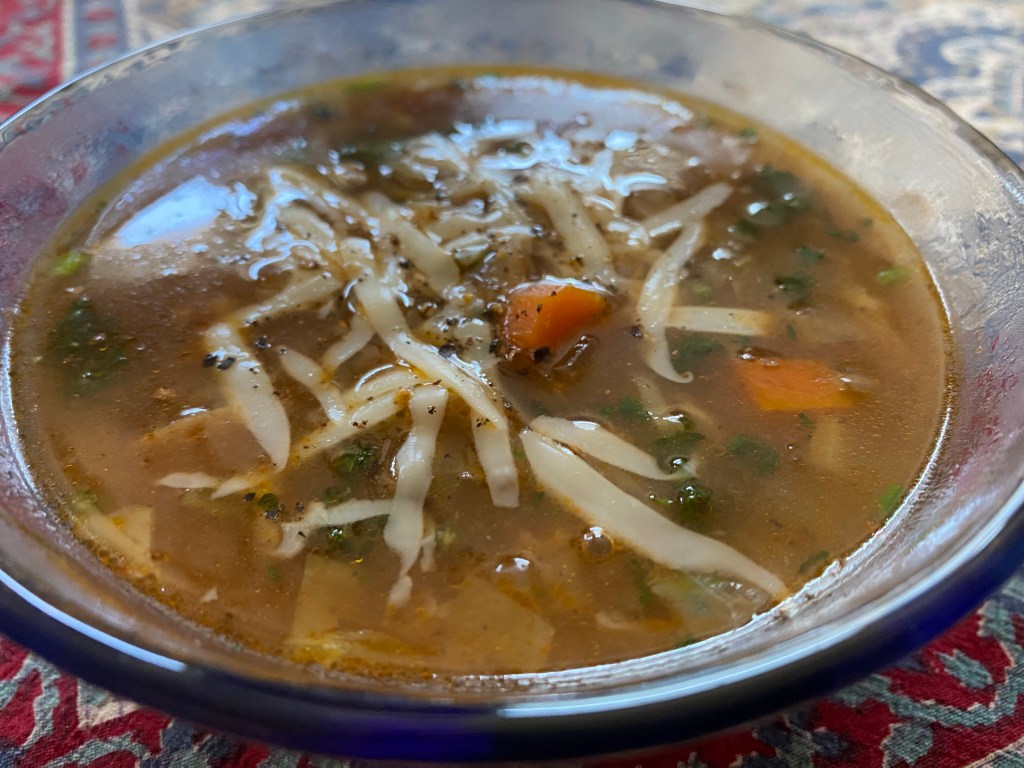
We have had our eye on Martha Rose Shulman’s plant-forward soup recipe: https://cooking.nytimes.com/recipes/1013428-farro-and-vegetable-soup?smid=ck-recipe-iOS-share This was absolutely delicious. The depth of flavor and sprinkling of shredded Gruyere evoked French onion soup.
We made minor modifications: first, for the liquid we used 2 quarts (8 cups) no-salt chicken broth plus 2 cups salted chicken broth (from Better Than Bouillon concentrate). Second, we julienned the cabbage as thin as possible, using about 3/8 of a medium head (1/4 plus 1/8). Finally, at the end of cooking, we found it lacked some depth. We added 1 mounded Tbsp black olive tapenade and 1/2 tsp Aleppo pepper (coarsely ground) to the soup pot, and those provided more umami. We also added salt to taste (about 2 tsp).
This recipe was surprisingly satisfying. It’s definitely a keeper. (Apr. 2023)
-
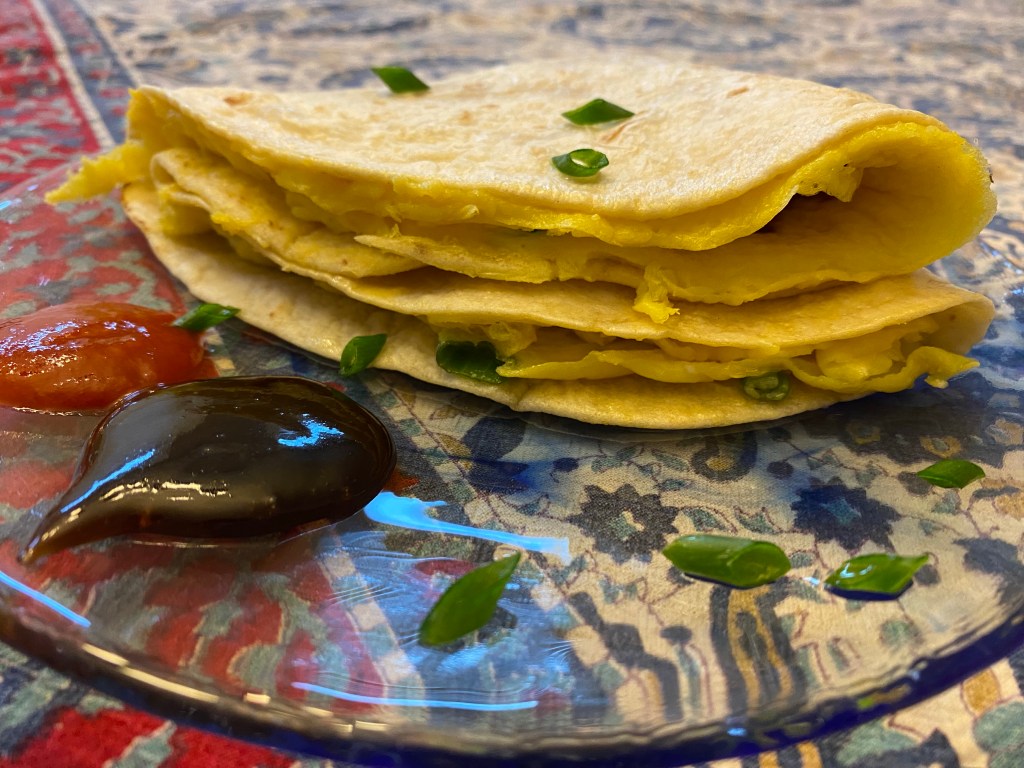
We tried this quick recipe for lunch, and it was delicious, unique, and satisfying: https://cooking.nytimes.com/recipes/1019522-scallion-egg-wrap?smid=ck-recipe-iOS-share
Our modifications: we used 1 Tbsp pickled daikon (Spicy King brand salted spicy radish, Hunan flavor, rinsed thoroughly and patted dry) instead of pickled mustard leaves. This was like an omelette sandwich. (Mar. 2023)
-
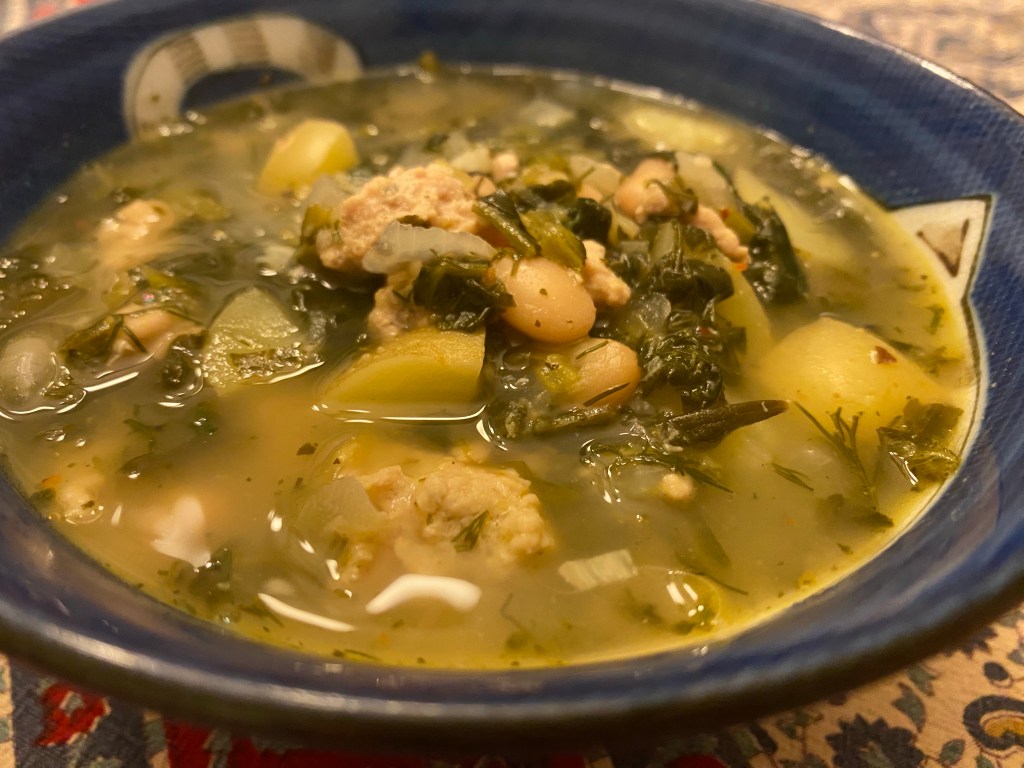
We tried this recipe based on our pantry: https://cooking.nytimes.com/recipes/1024015-lemony-greek-chicken-spinach-and-potato-stew?smid=ck-recipe-iOS-share
Our modifications: first, instead of 3 large potatoes, we used a combination of 4 baby Yukon potatoes (1″ dice) and 13.5 oz can of no-salt white Northern beans (drained and rinsed). Second, we used one bunch of frozen dill (rough chopped) and 1/4 cup lemon juice, plus we added zest from two lemons. We reduced crushed red pepper to 1/4 tsp (from 1 tsp). We reduced the salt to 1 tsp (from 1.5 tsp), recognizing we could add more salt later as needed.
Finally, at the end of cooking we found the soup lacked balance. We supplemented with: 1/4 tsp sugar; 1/4 tsp Aleppo pepper (aka cloud pepper), and 1/2 tsp salt (thus, we ended up with a total of 1.5 tsp salt, per the recipe). We also felt the need for mint but we were out, so we unconventionally added 1/2 tsp herbal mint tea blend (about 1/2 bag of Bigelow Mint Medley – see Note below), and it did the trick. This soup turned out well. (Mar. 2023)
Note: Bigelow Mint Medley Tea contains spearmint, peppermint, rosehips, lemon peel, and hibiscus. See https://www.bigelowtea.com/products/mint-medley-herbal-tea.
-
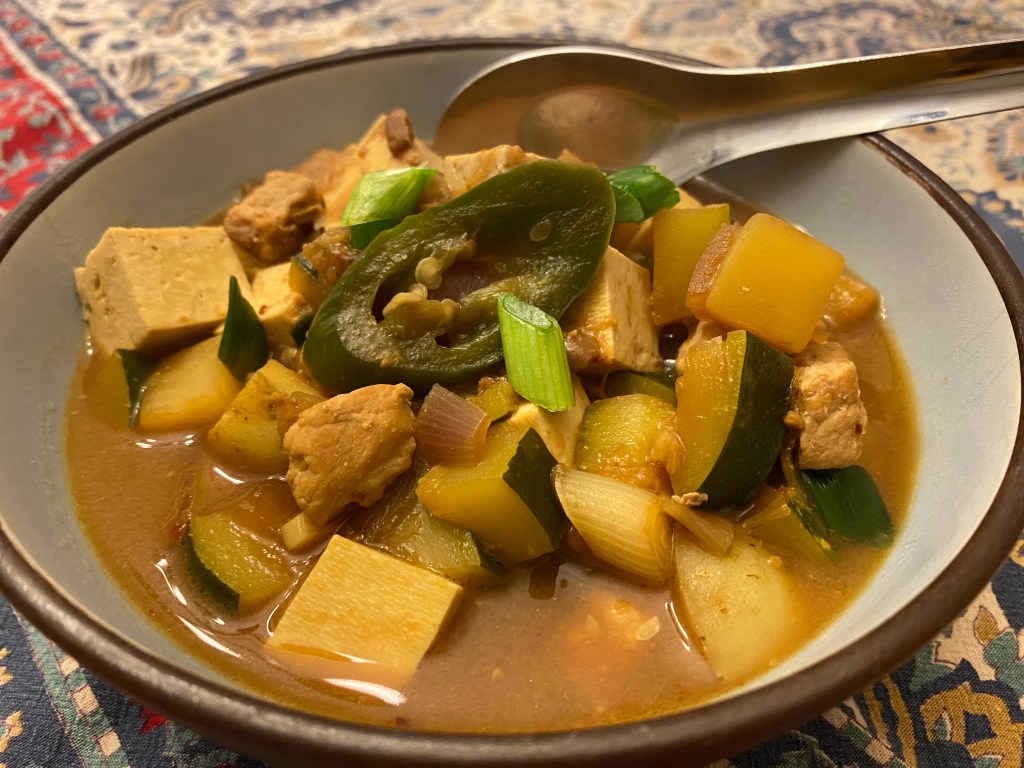
We made this recipe but substituted a lean pork chop for beef: https://www.maangchi.com/recipe/sogogi-doenjang-jjigae To reduce sodium, we added less than 1/4 cup of soybean paste (doenjang); we subtracted 2 tsp from the total. This was a flavorful and easy meal. (Mar. 2023)
-
Subscribe
Subscribed
Have a WordPress.com account? Log in now.

