-
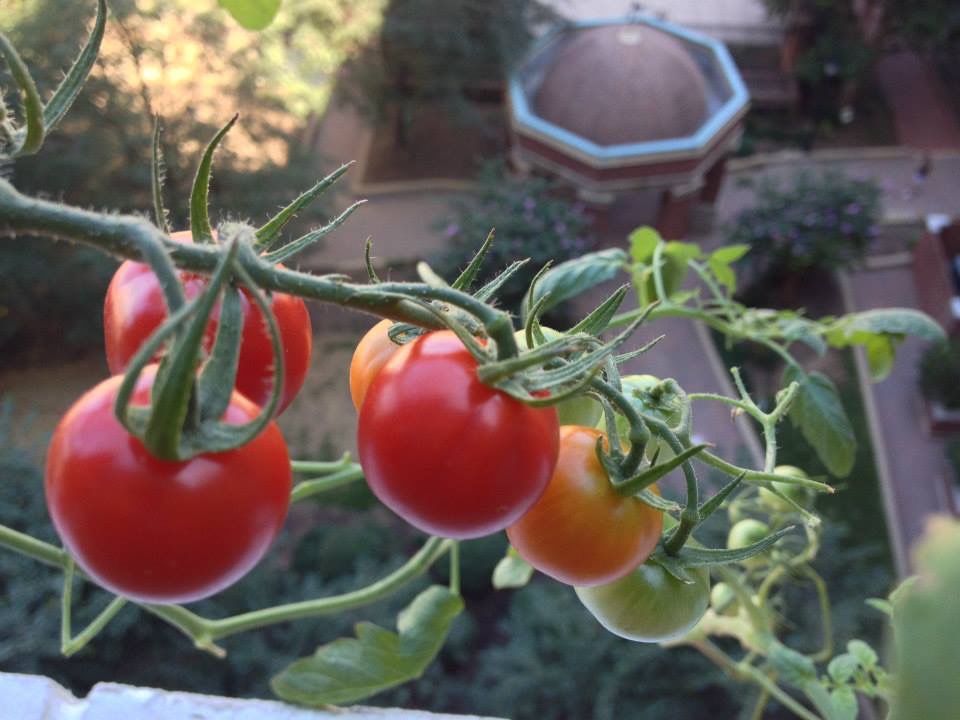
I cook as a hobby, and I maintain this blog primarily to keep track of recipes that my family has enjoyed over the years. I started blogging back in 2015, in response to requests from friends for recipes they had seen me post on Facebook (but that I couldn’t easily catalog). My original blog was on another platform that became less user-friendly over time. I migrated my blog to WordPress earlier this year, and I’ve spent more time than expected reformatting the migrated posts.
This blog is and always will be a work in progress. For example, I currently provide Tags for posts, but I have not coded for Categories. I also generally try to share the recipes themselves in my posts, but in cases where the recipe is not available online, I try to identify the source (e.g., the cookbook title and author) as needed. In some cases, such as where a family has shared their recipe with me but hasn’t authorized me to share it widely, I post a photo of the dish with that proviso.
I recently added a Search widget to this blog. On the desktop version, the Search bar appears prominently on the left hand side. But for some reason, it is hidden on the mobile app. If you’re on your phone, tap on the SHOW tab at the top left of the home page. That will reveal another screen with the Search bar.
I hope you enjoy exploring my blog and find some recipes to try.
-
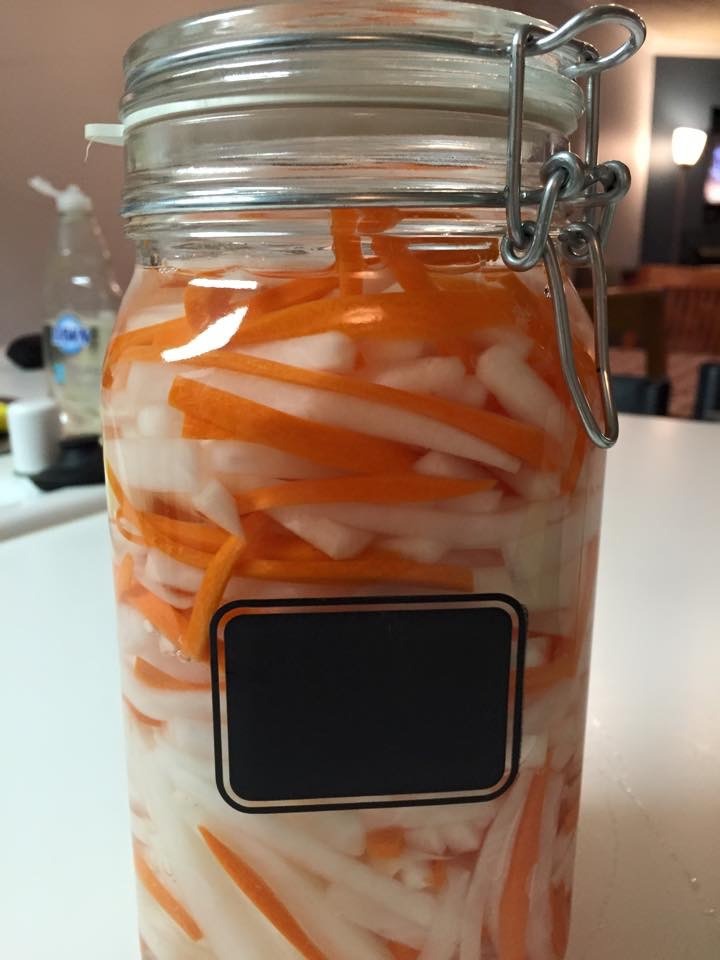
Very excited about making this pickle for the first time. Recipe from Andrea Nguyen’s The Banh Mi Handbook and available on her glorious food blog, VietWorld Kitchen, https://www.vietworldkitchen.com/blog/2009/05/daikon-and-carrot-pickle-recipe-do-chua.html. (Dec. 2014)
Sources: Andrea Nguyen’s The Banh Mi Handbook: Recipes for Crazy-Delicious Vietnamese Sandwiches (Ten Speed Press, 2014); Andrea Nguyen, author and teacher, Vietworldkitchen.com.
-
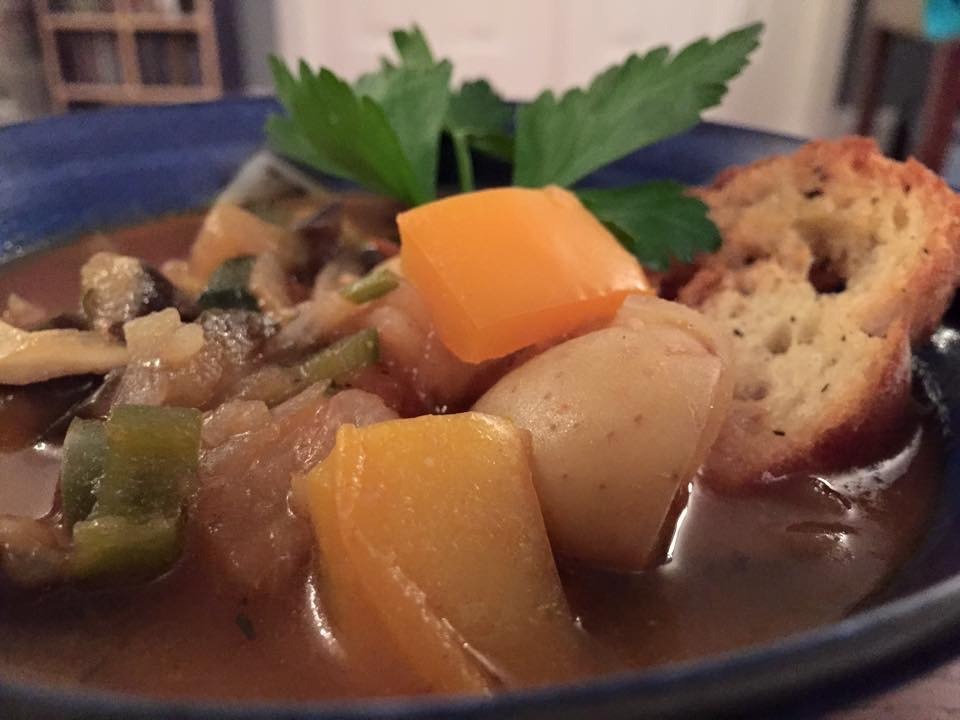
After a day of gnoshing, we decided to try lighter fare for dinner. This recipe is loosely based on: http://www.foodnetwork.com/recipes/mario-batali/vegetable-soup-in-the-style-of-naples-cianfotta-recipe.htm. We modified by adding thyme, sage, Italian parsley, and a dash each tomato paste and apple cider vinegar. This recipe is vegetarian, but here we used 4 cups of chicken broth instead of the 2 cups veggie broth set out in the recipe. (Dec. 2014)
-
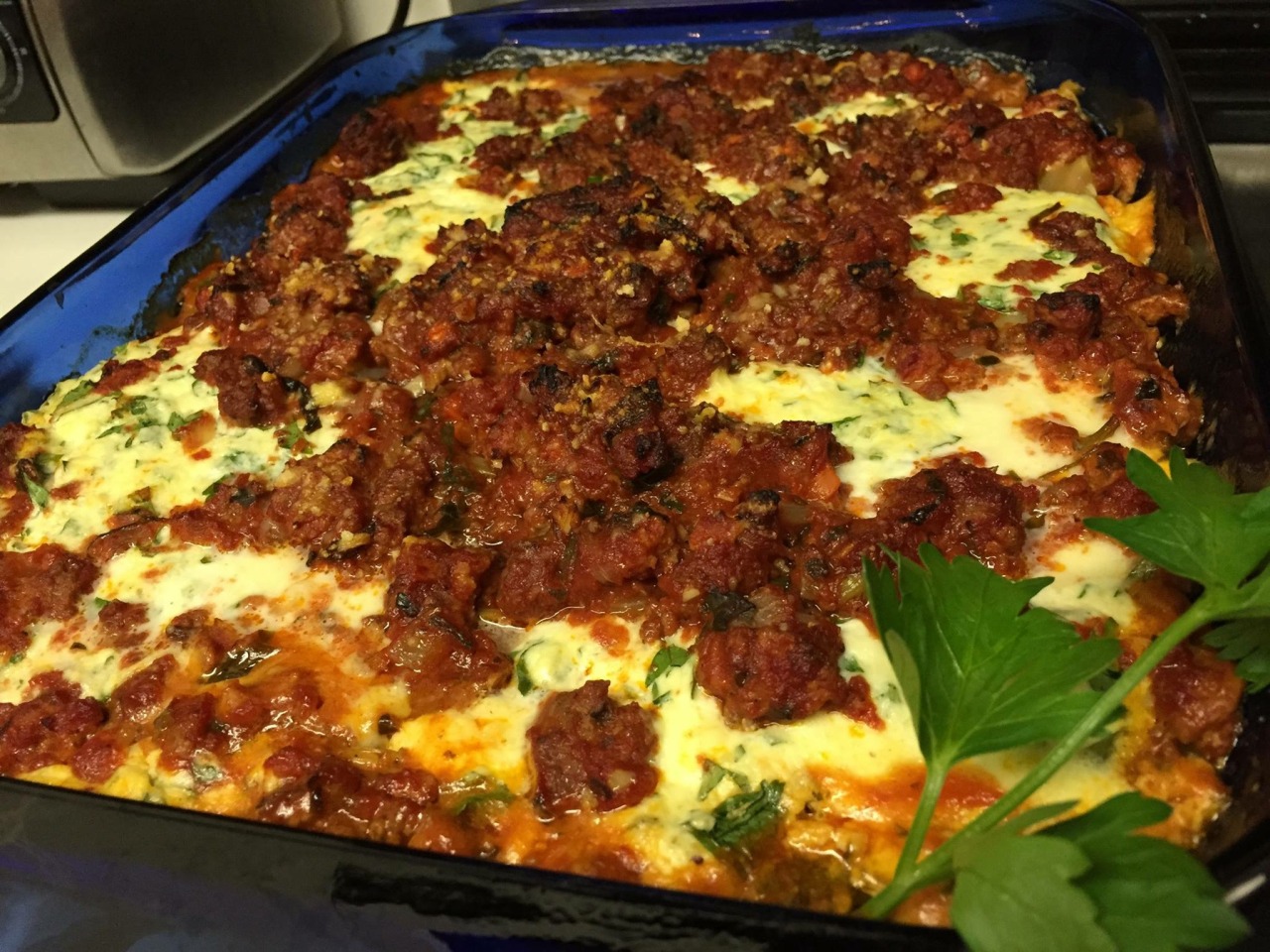
We made this based on Ina Garten’s Turkey Lasagna recipe (here at http://www.foodnetwork.com/recipes/ina-garten/turkey-lasagna-recipe2.html), except that we substituted the minced turkey with 1 lb minced beef and 2 hot Italian pork sausage links (casings removed). (Dec. 2014)
-

I learned this from my friend Mika, who shared this recipe from her sister’s school cookbook many years ago. Preheat oven to 350. Using a hand mixer, blend 1 cup shortening, 1 ½ cups sugar, and 2 eggs until well mixed. Add 1 tsp each baking soda and salt, 2 tsp cinnamon, and 1 ½ cups all purpose flour and beat until well blended. Switching to a wooden paddle, fold in 1 cup rolled oats, 2 cups crispy cereal (here, Special K), ½ cup dark chocolate chips (minced in a hand blender),½ cup assorted dried fruit (here, berries and cherries, minced in a hand blender), and ½ cup nuts (here, almonds and pecans, minced in a hand blender). When well mixed, drop by the spoonful onto a cookie sheet. Bake until crispy (about 17 mins). (Dec. 2014)
-
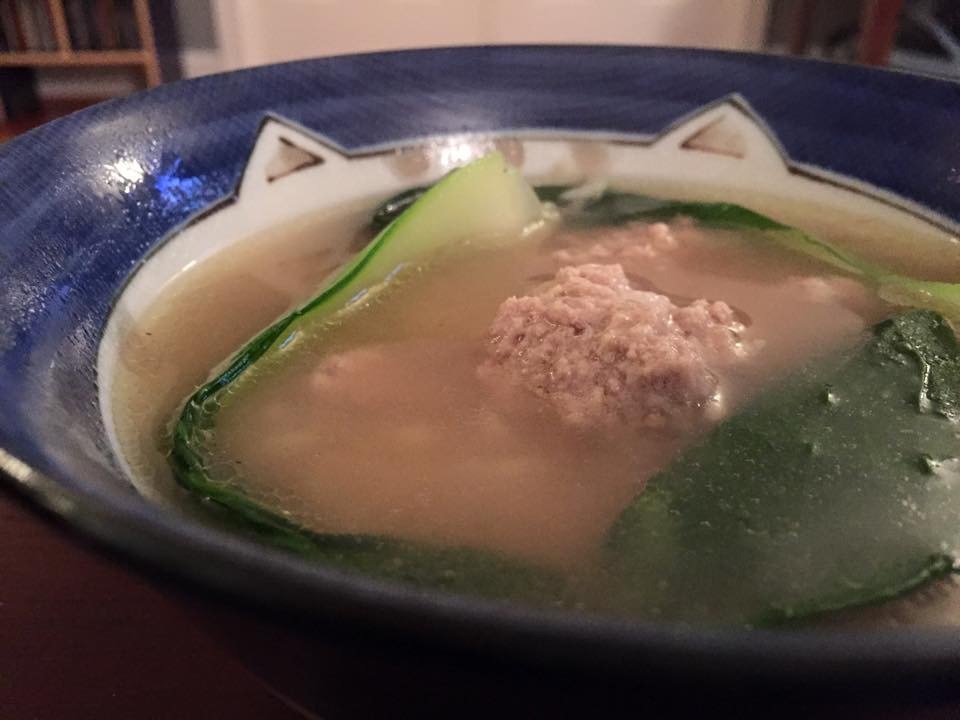
Rinse and drain 1 cup rice (here, long grain rice), then set aside. In the mean time, soak 2 Tbsp dried shrimp in ½ cup warm water until reconstituted (about 10 mins), then drain and mince. Add 2/3 lb minced pork to the minced shrimp, mixing well, then fold in 1 Tbsp Chinese cooking wine, 2 Tbsp soy sauce, 1 Tbsp corn starch, and ½ cup water. Using a large Dutch oven (see Note 1 below), heat 10 cups water (I use 5 cups low sodium chicken broth, 5 cups water), bring to a boil, then add the rice. Using a teaspoon, scoop the pork mixture into balls, dropping one at a time into the boiling soup until the mixture is gone. Lower the soup’s heat to a simmer, cover, and let cook until pork dumplings are fully cooked (about 35-40 mins). While the soup is simmering, parboil 1 head of bok choy (leaves separated and then each leaf split lengthwise) in lightly salted water, then drain. Once soup has finished cooking, add the bok choy, season to taste with salt and black pepper, and serve immediately. This recipe is from Chinese Light Meals & Snacks by Sumi Hatano. (Dec. 2014)
Note 1: We recommend using a high-walled Dutch oven. The rice and pork dumpling, when covered on simmer, can overflow in a medium pot (we learned this the hard way). (May 2020)
Note 2: You can use most type of Chinese greens. We often use a bunch of Chinese broccoli, cut in half lengthwise. Put the lower half (thick stems) in salted boiling water a few minutes ahead of the top half (thin stems and tender leaves). If necessary, strain out the thin stems and leaves and let the thick stems continue to cook until crisp-tender. In lieu of Chinese greens, you also can toss in a few handfuls (3 oz) of fresh spinach just before serving. (May 2020)
-
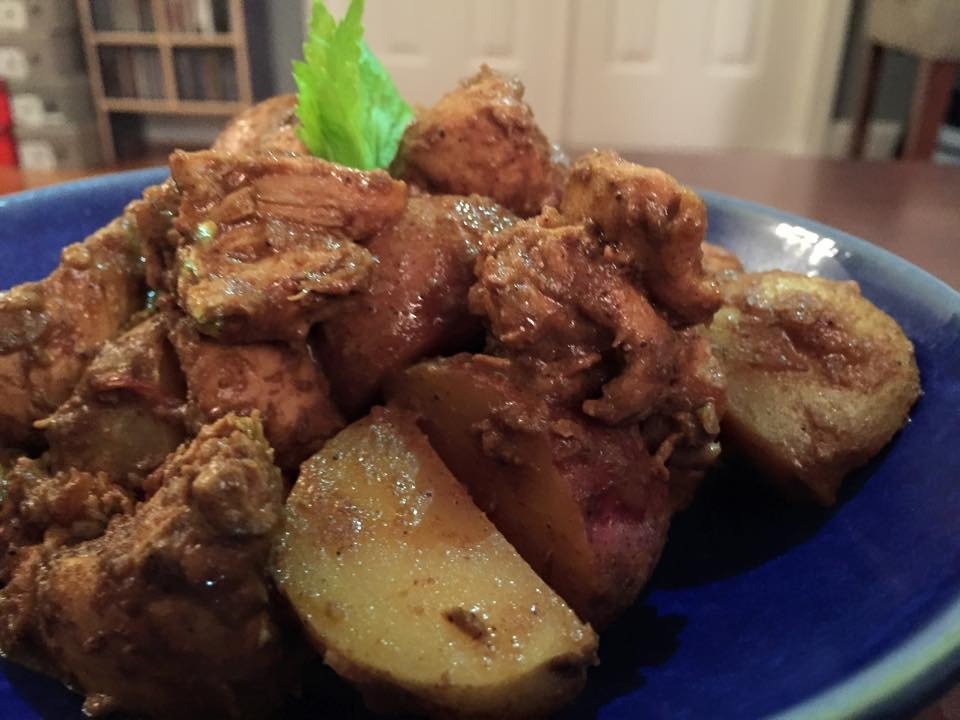
This recipe is courtesy of my friend Juju. Marinate 2 boneless, skinless chicken breasts (cut into large bite-sized pieces) in 2-3 Tbsp Patak’s biryani paste, 1 cup plain yogurt (here, I used nonfat greek), and ½ tsp salt for at least 2 hours. Heat 1-2 Tbsp of neutral oil in a large pot, then add ¾ cup fried shallots (you can purchase these from a Thai or Indian supermarket), then add the marinated chicken and 1 tomato, diced. Add 3-4 small Yukon potatoes (or 1 large Russet potato, peeled), cut into large, 2″ x 3″ chunks. Bring to a boil, then reduce to a simmer and let cook until chicken and potato are tender (about 30 mins). Serve with long-grain rice. Recipe courtesy of my friend, JuJu. (Dec. 2014)
Marinade modification: 2 Tbsp Patak’s biryani paste, 6 oz nonfat Greek plain yogurt (which is a standard single serving), and ½ tsp salt. (May 2017)
Note: You also can use three boneless chicken thighs in lieu of two chicken breasts.
-
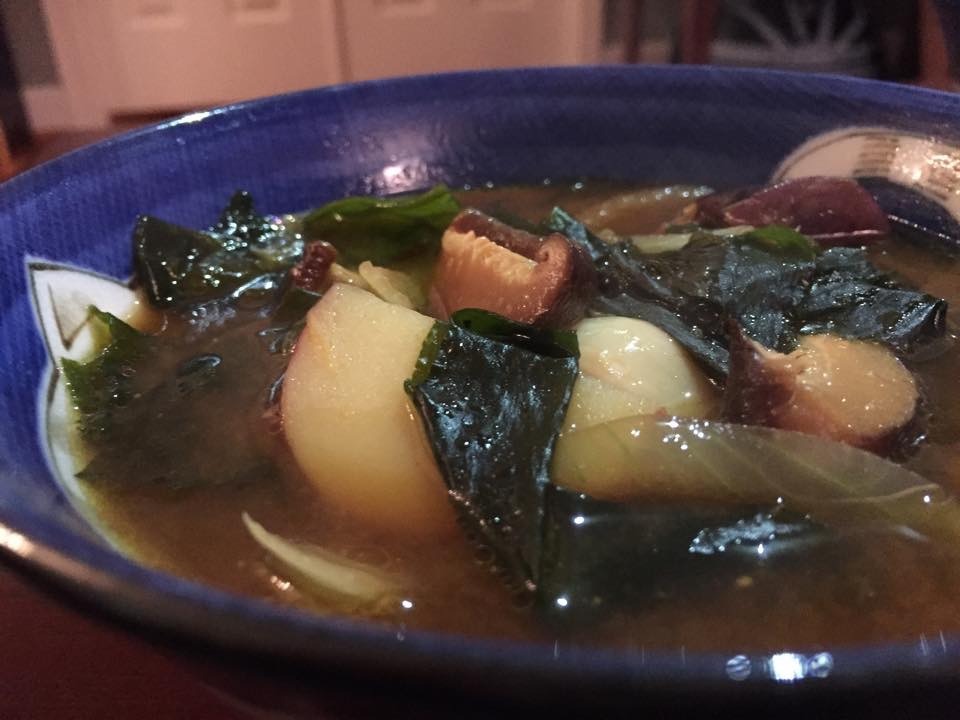
Soak about 1-2 oz dried wakame seaweed in room temperature water and set aside. Saute 1/2 lb lean beef (cut into bite-sized pieces) in a little oil. When browned, add 5-6 shiitake mushrooms (fresh or reconstituted dry), cut into ½” slices Sauté until fragrant, then add 2 large Yukon potatoes (or 1 large Russet potato) cut into large, bite-sized chunks (here, I added 6-7 small tri-colored potatoes, halved), sauté, and then one onion (sliced) and several garlic cloves (sliced). Add hot water (or the mushroom soaking liquid) to nearly cover most chunky ingredients (about 10 cups total). Mix in about 2 Tbsp
Korean miso paste (doen jang), about 1 Tbsp Korean beef boullion powder (sogogi dashida). Bring to a boil, then reduce to simmer and add the drained wakame. Season to taste (I added a little more black pepper) and then serve with short-grain rice. (Dec. 2014)Modification: I sometimes omit the beef, in which case I start by heating 2 tsp toasted sesame oil in a pot, then add 7-8 sliced, reconstituted shiitakes and sauté until browned and fragrant. And then I continue on with the remaining steps.
-
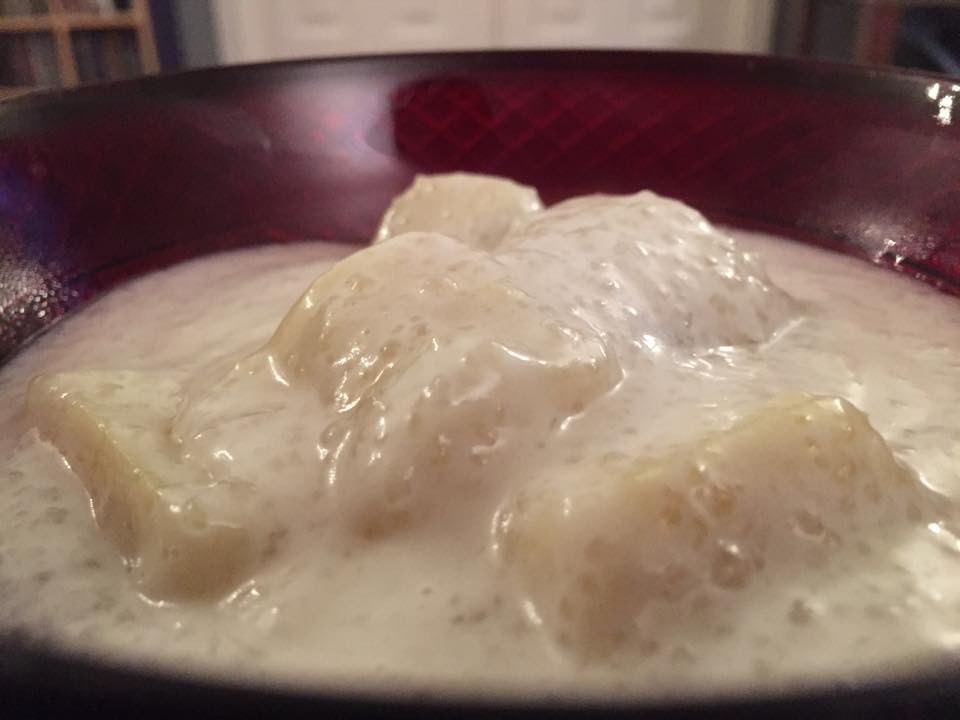
Sweetened with palm sugar (jaggery), this dessert imparts a delicate, not too sweet flavor.
First, cook the sweet potatoes or use already-cooked ones (see Note 1 below). For uncooked potatoes: bring a large pot of water to a boil, then add 3 large Japanese or Korean sweet potatoes (goguma), skin on and cut into thick rounds (about 4 rounds per potato). Let cook until potato is fork-tender, then
drain, rinse, remove skin, and cut into bite-sized chunks (about 4 pieces per round). Set potato aside. While potato is cooking, bring 3 cups of water to a boil in a medium (6-8 quart) pot, then add 3 Tbsp palm sugar (about 3 lumps of jaggery) and 1/8 tsp salt. When sugar has dissolved, add ¼ cup minute tapioca (I like Kraft Minute Tapioca – or see Note 2 below), stirring constantly to avoid clumps. Bring to a boil, then immediately reduce to a simmer. Add 13.5 oz of coconut milk, then stir well. Test tapioca to make sure it is fully cooked, then fold in the chunks of sweet potato. Season to taste (for ex, if it needs more sugar, you can supplement with a tsp of crumbled light brown sugar, which will dissolve more easily than an additional lump of jaggery). Serve immediately and enjoy. Recipe based on “Thai tapioca pudding” in Keo’s Thai Cuisine cookbook, with modifications (addition of sweet potato). (Dec. 2014)Note 1: You also can use 3 oven-roasted sweet potatoes, peeled and cut into large bite-size (2 inch) chunks.
Note 2: In a pinch, we replaced the ¼ cup minute tapioca with a mounded ¼ cup semolina. The semolina thickened the pudding but did not provide the same mouthfeel as tapioca. (Dec. 2017)
-
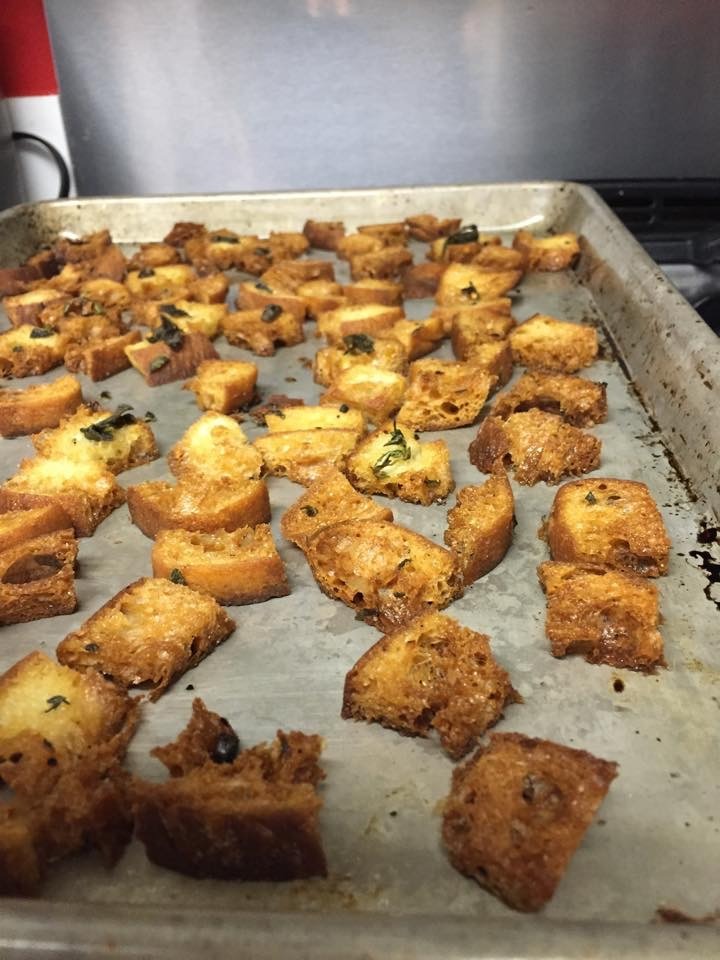
We based this recipe on the Neelys’ recipe (http://www.foodnetwork.com/recipes/homemade-croutons-recipe0.html), plus fresh thyme, sage, and marjoram. We used leftover sliced ciabatta, which we cubed. These croutons were addictively crunchy and delicious. (Dec. 2014)
Note: If using fresh bread, you may need to dry it out as follows: place the bread cubes in a single layer on a baking sheet then bake at 350 until slightly toasted (about 10-15 mins). See details here: https://food52.com/blog/9227-how-to-stale-bread-in-a-pinch Then proceed to season the cubes directly on the baking sheet, drizzling with olive oil, then seasoning with salt, black pepper, etc. I like to flip the cubes before returning to the oven (which has been increased to 400).
-
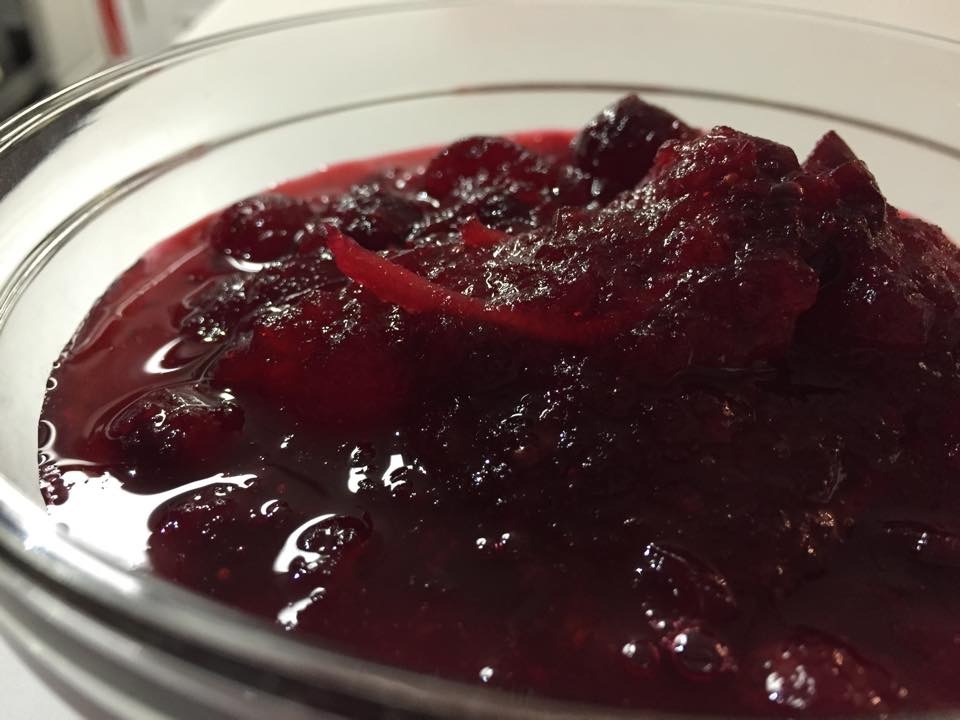
We made this following Ocean Spray’s recipe: http://www.oceanspray.com/Recipes/Corporate/Sauces,-Sides-Salads/Homemade-Whole-Berry-Cranberry-Sauce.aspx. We added the zest of an orange and 1-2 inch of fresh ginger (half microplaned and half julienned). Thank you to Waimar for inspiring us to try this recipe. We will enjoy this with roast chicken this evening. (Dec. 2014)
-
Subscribe
Subscribed
Have a WordPress.com account? Log in now.

