-
I cook as a hobby, and I maintain this blog primarily to keep track of recipes that my family has enjoyed over the years. I started blogging back in 2015, in response to requests from friends for recipes they had seen me post on Facebook (but that I couldn’t easily catalog). My original blog was on another platform that became less user-friendly over time. I migrated my blog to WordPress earlier this year, and I’ve spent more time than expected reformatting the migrated posts.
This blog is and always will be a work in progress. For example, I currently provide Tags for posts, but I have not coded for Categories. I also generally try to share the recipes themselves in my posts, but in cases where the recipe is not available online, I try to identify the source (e.g., the cookbook title and author) as needed. In some cases, such as where a family has shared their recipe with me but hasn’t authorized me to share it widely, I post a photo of the dish with that proviso.
I recently added a Search widget to this blog. On the desktop version, the Search bar appears prominently on the left hand side. But for some reason, it is hidden on the mobile app. If you’re on your phone, tap on the SHOW tab at the top left of the home page. That will reveal another screen with the Search bar.
I hope you enjoy exploring my blog and find some recipes to try.
-
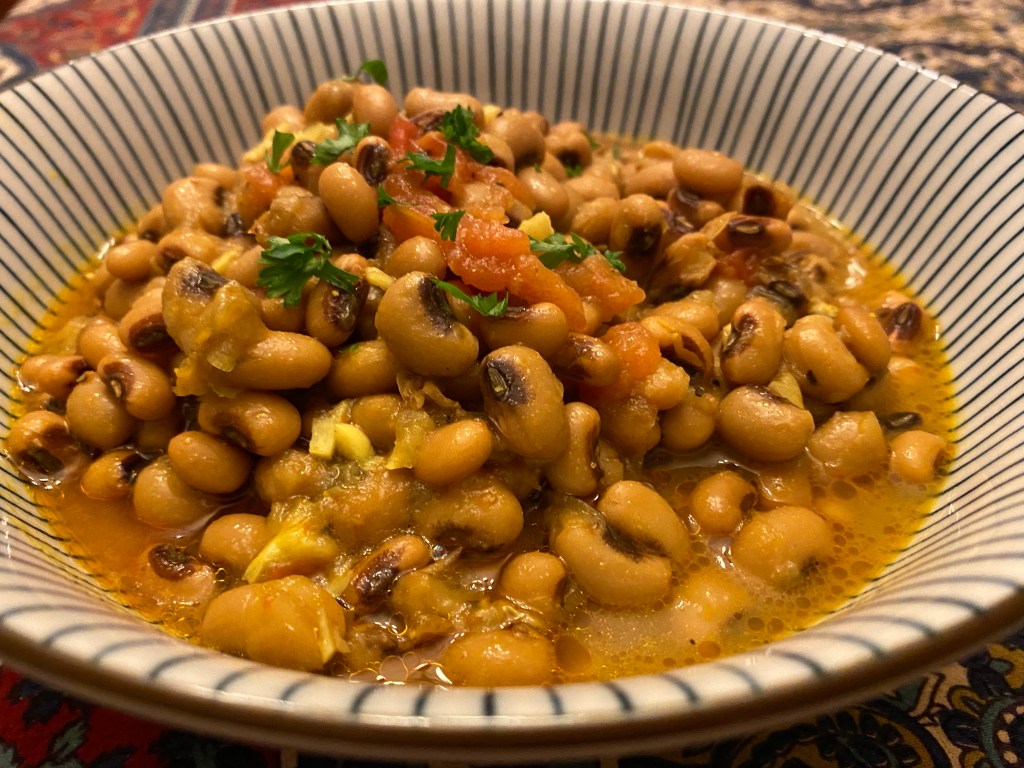
My husband normally isn’t a big fan of black-eyed peas, but this dish may have made him a convert. First, heat 3 Tbsp vegetable oil in a medium pot on medium heat. Add 1.5 tsp minced garlic, 1 Tbsp microplaned ginger, and 1 small onion (or regular-sized shallot), shredded on a large-size grater. Saute until slightly browned, reduce to medium-low heat, then add 1 medium tomato (cut into quarters). Cover with a lid, periodically mashing the tomato until it becomes completely soft (about 5 mins) and is intermingled with the onion-ginger mixture. Add 1/4 tsp turmeric, 1/8 tsp cayenne (down from 1/4 tsp in the recipe), 3/4 tsp salt, and 1/2 tsp freshly ground black pepper. Saute uncovered for about 6 mins. Add 30 oz canned, drained black-eyed peas plus all the canned bean liquid plus 1/2 cup water (see Note below). Increase to high heat, then bring to a rolling boil. Reduce heat to medium low and simmer uncovered for 10 mins, stirring occasionally. We serve this with basmati rice. (Sept. 2022)
Note: Instead of using all of the bean liquid from canned black-eyed peas, we used 1 cup bean liquid plus 1/2 cup chicken broth (so our preparation was not vegetarian). Because the broth contained some salt, we reduced the salt to 1/2 tsp (from 3/4 tsp).
Recipe from Shubhra Ramineni’s Healthy Indian Vegetarian Cooking: Easy Recipes for the Hurry Home Cook (Tuttle, 2018), available at https://a.co/d/2c1lHDT.
-
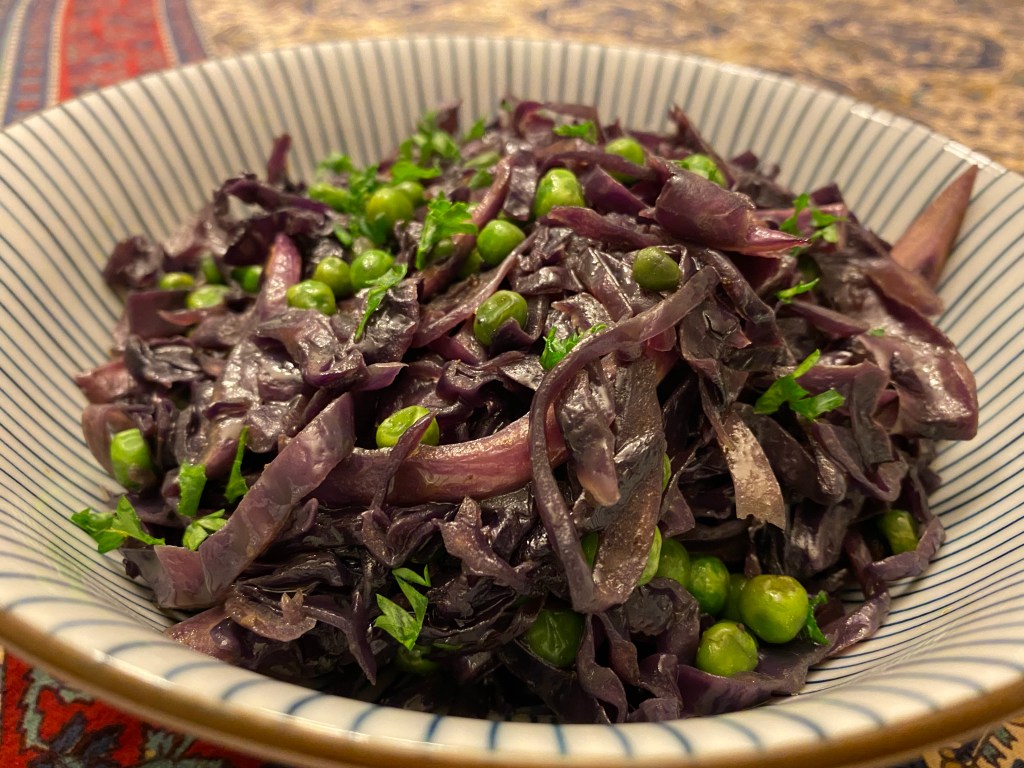
We are big fans of Shubhra Ramineni, and we tried this recipe from her blog: https://spicegirlkitchen.com/recipes/f/cabbage-and-peas Perhaps because we used red cabbage (which is more tannic than green cabbage), we found that the cooked cabbage needed some sweetness for balance. We added 1/2 tsp sugar at the end of cooking. We also found it a bit oily; in the future, we may try reducing the oil to 3 Tbsp (from 4 Tbsp, or 1/4 cup). (Sept. 2022)
-
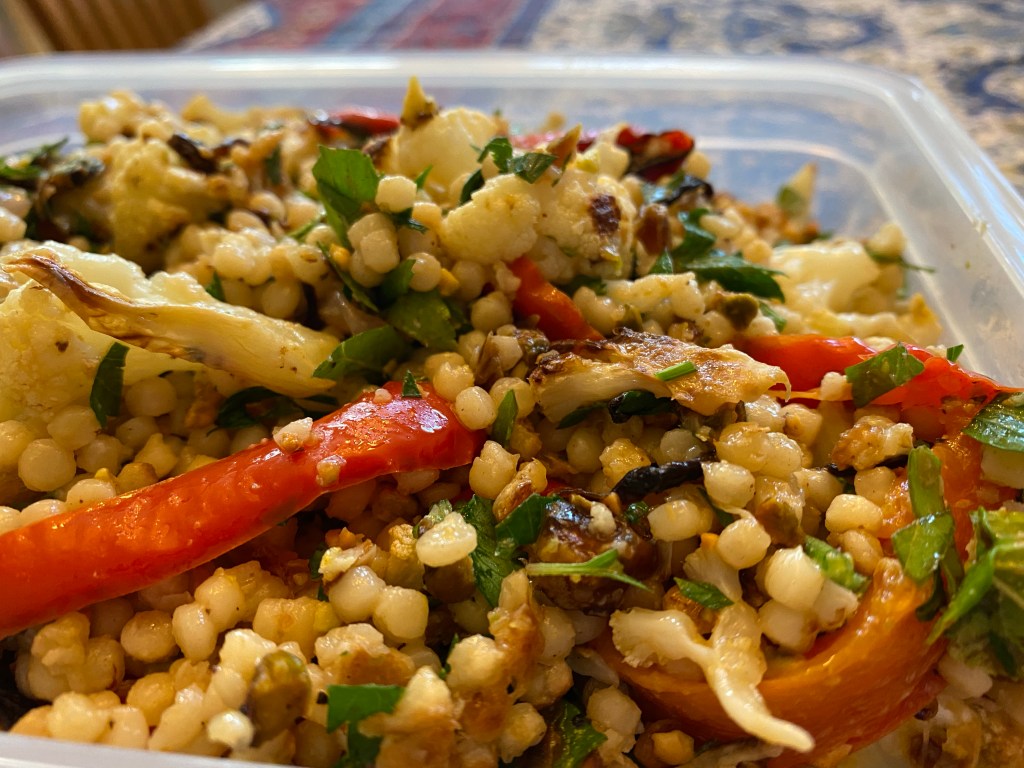
We tried this recipe: https://www.thefullhelping.com/israeli-couscous-salad-roasted-cauliflower-pistachios-dates/ Our modifications: first, in addition to 1 small cauliflower (cut into bite-sized florets), we also oven-roasted 1 red bell pepper and 1/2 yellow bell pepper (cut into 1/2″ slices along the vertical axis) and 3 shallots (1/4″ slices along the vertical axis). We increased oven temp to 425 and roasted for about 25-30 mins. Second, we toasted the pistachios before chopping them in a handheld chopper. We also soaked the golden raisins in hot water (about 5 mins) to reconstitute them before finely chopped them. Third, we didn’t have enough spearmint, so we used 1/4 cup spearmint plus 1 Tbsp Thai basil. Finally, we found the recipe’s dressing underseasoned. We ended up with: juice and zest from 1 large lemon, 1/4 cup red wine vinegar, 3.5 Tbsp olive oil, 1/4 tsp sugar, and enough salt and black pepper to taste (we didn’t measure those). (Sept. 2022)
-
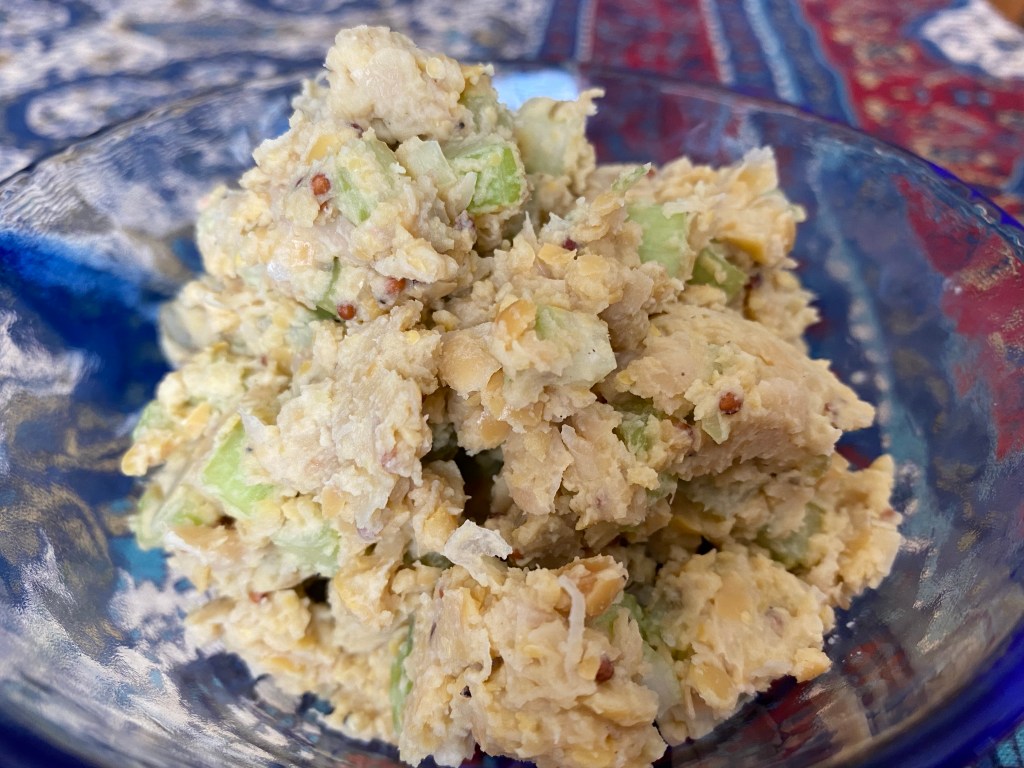
This is a vegetarian, chick pea-based dish reminiscent of tuna salad. We tried this recipe: https://www.liveeatlearn.com/chickpea-tuna-salad/.
Our modifications: first, instead of using chick peas straight out of the can, we drained a 14.5 oz can of no-salt chick peas and placed in a small pot with 1/2 cup water. We heated it on medium, then lowered to a medium-low boil for about 8-10 mins. Then we drained the heated chick peas, discarded loose skins, placed the chick peas in a small mixing bowl, and roughly mashed with a potato masher. (We find this heating method mitigates beany, tinny flavors.)
Second, while the chick peas were heating, we assembled in a separate, medium bowl: 1/4 cup finely chopped celery (1.5 stalks) and 1 tsp capers (rinsed, drained, and minced); we omitted the onion. We folded in the mashed chick peas, then added 1 tsp whole grain mustard (such as Maille), 2 tsp white vinegar, and 1 Tbsp mayonnaise (down from 1/4 cup).
Finally, we seasoned with 1/2 tsp salt, 1/4 tsp black pepper, and 1/4 tsp white pepper. We served this salad with low-sodium Triscuits. This was a very tasty, easy lunch. (Aug. 2022)
-
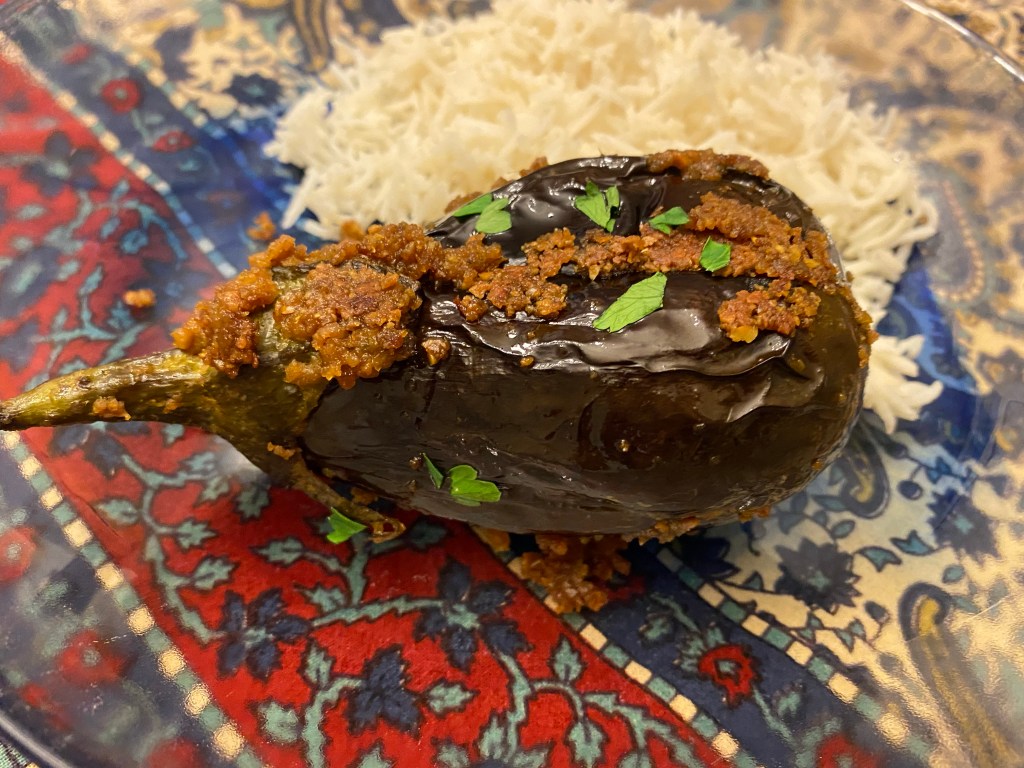
We love eggplant. When we happened upon baby, teardrop-shaped eggplant this weekend, we decided to try this recipe: https://cooking.nytimes.com/recipes/1018887-eggplant-ravaiya?smid=ck-recipe-iOS-share
Our modifications: first, in order to fit the eggplant in a single layer in our 12.75″ nonstick saute pan, we reduced the number of eggplant to six from eight. (We recommend testing the fit of these eggplant in the pan before cutting anything.) We then cut each baby eggplant into a cross shape (per the instructions). Second, we used 1 cup unsalted, shelled Virginia peanuts, which we roasted in a single layer in the toaster oven at 325/350 for about 20 mins). Third, we omitted the asofetida, substituted 1 tsp chickpea flour with 1 tsp all purpose flour, reduced salt to 2 tsp (from 1 Tbsp), and added 1 extra tsp sugar (based on tips from NYT noted).
Fourth, using our handheld blender, we blended ingredients in the following order (based on texture, from hardest to softest): jaggery sugar (which comes in a hard, mounded lump); roasted peanuts plus dry spices, flour, and sugar; microplaned ginger and garlic plus a seeded and minced serrano pepper; then finally 2 Tbsp canola oil (instead of olive).
Finally, after assembling the stuffed baby eggplant and sprinkling the remaining peanut mixture overtop, we heated the pan on medium heat and drizzled 1.5 Tbsp canola oil over the eggplants and peanut mixture. We let that lightly brown and sizzle for about 5 mins, and gently turned the eggplant once. We added 3/4 cup (instead of 1 full cup) of water, brought to a mild, bubbling simmer, and then covered the pan with a lid. We reduced to medium-low, then simmered until the eggplant was fork-tender (about 25 mins), then increased the pan to medium to sear the eggplant and tighten up the sauce a bit (8 mins).
We served with basmati rice. This was tasty, and one stuffed eggplant alone was fairly rich and filling. (Aug. 2022)
-
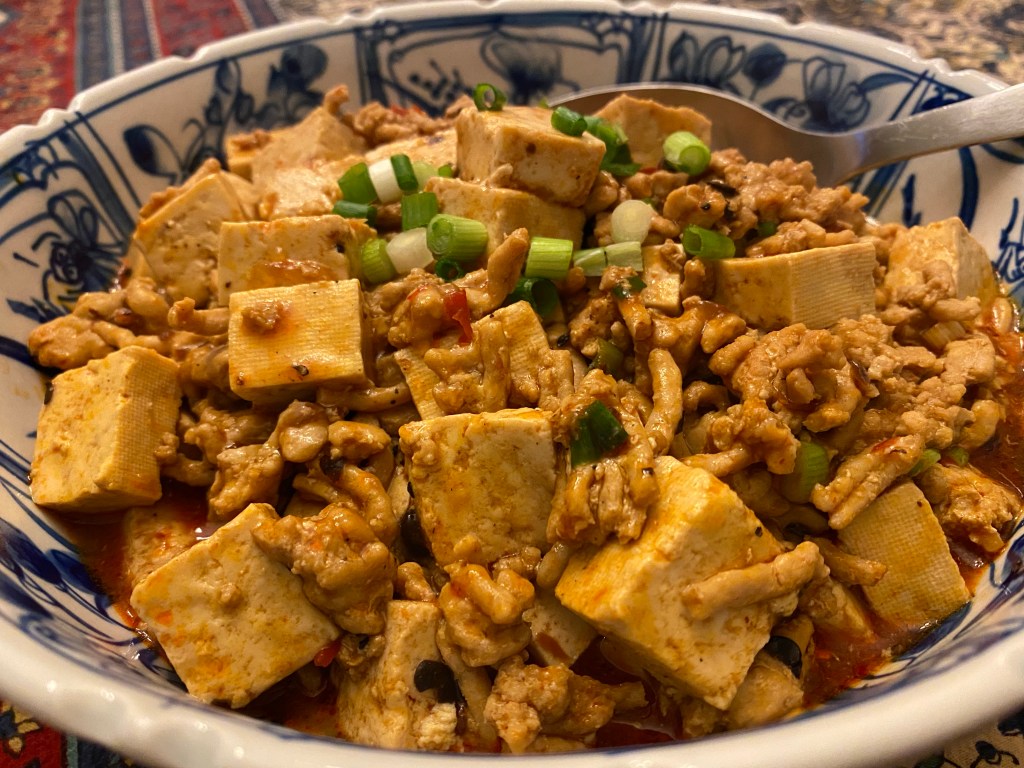
I grew up eating the pork version of this dish at Chinese restaurants, and every once in a while my mother made this at home from a ma po seasoning packet. Back in 2014, I decided to try a scratch recipe from Andrea Nguyen’s Asian Tofu cookbook. Over time, I tweaked her ma po tofu recipe to make it slightly healthier by replacing minced pork with minced chicken and slightly reducing the high-sodium seasonings.
Cut 14 oz firm tofu into ½” dice, soak in boiling water for 15 minutes, and then drain and set aside, reserving 1 1/3 cups of the tofu water for later use (see Note below). Separately, toast ¾ tsp Sichuan peppercorns until fragrant, then grind and set aside. In the same wok, heat 2 Tbsp vegetable oil in medium heat, then saute about 1 lb minced chicken (if the chicken releases a lot of liquid, I recommend sopping up the liquid with a dry paper towel and adding 1 tsp oil to mimic the fat that pork would have released). When fully cooked, add 2 1/4 (possibly 2 1/2) Tbsp Pixian chile bean sauce, 1 scant Tbsp Chinese fermented black beans (rinsed and drained), 1 tsp microplaned ginger, and a dash of crushed red pepper. Cook on medium for a few minutes, stirring frequently, then add 1 1/4 tsp sugar and 2 tsp soy sauce. Mix well, then gently fold the tofu cubes into the sauce. Add the reserved tofu water, then let cook on medium-low heat until tofu cubes absorb the sauce (about 3 mins). Season to taste with salt or sugar (I added a bit more sugar), then add 2 chopped scallions. Season to taste (for ex, if too salty, add a few tsp of water). Add some cornstarch mixed with water into a slurry (here, about 1 Tbsp cornstarch mixed with 2 Tbsp cold water) until the sauce is slightly thickened, but still soupy. Sprinkle crushed Sichuan peppercorn overtop and then mix. Serve with jasmine rice. (Originally posted May 2014, then recreated in Aug. 2022)
Note: Ms. Nguyen’s original recipe calls for 16 oz (1 lb) firm tofu. However, firm tofu typically is sold in 14 oz packages, so I adjusted the recipe accordingly.
This recipe is from Andrea Nguyen’s cookbook, Asian Tofu: Discover the Best, Make Your Own, and Cook It at Home (Ten Speed Press, 2012).
-
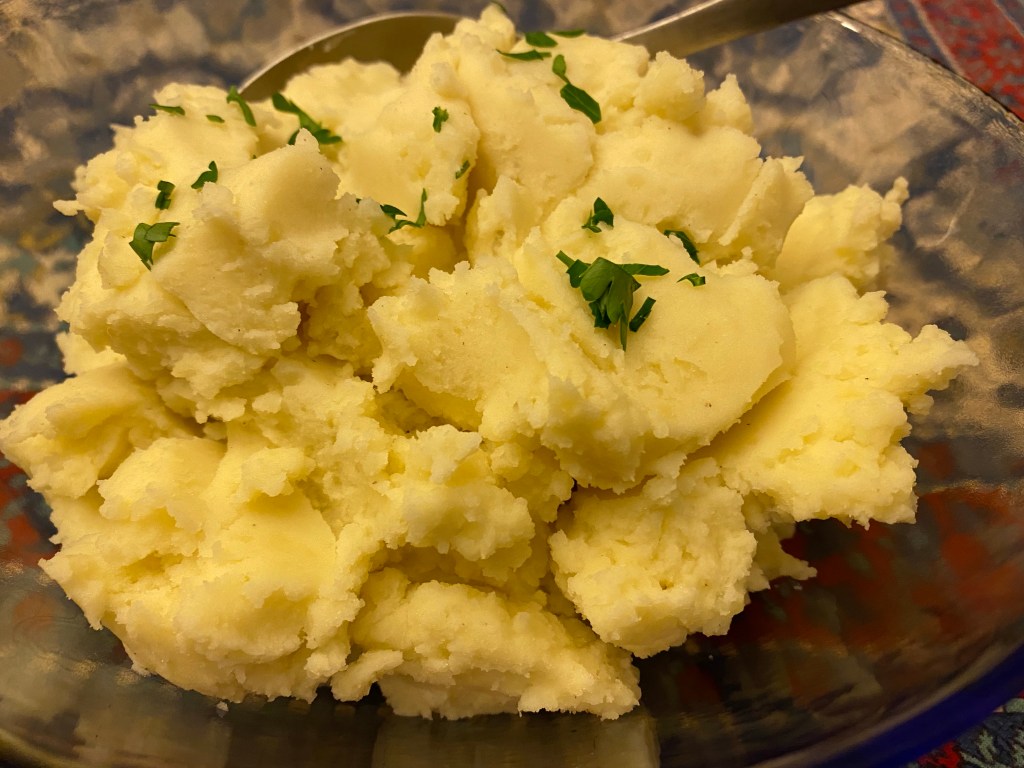
We love homemade mashed potatoes, and we decided to try this classic recipe: https://www.allrecipes.com/recipe/219077/chef-johns-perfect-mashed-potatoes/. Chef John’s video is filled with useful tips. We accidentally did not cut the Russet potatoes only lengthwise, but the dish still turned out well.
To make this recipe a little healthier: for 3 large Russet potatoes, we reduced the salt in the water to 1 tsp, reduced the unsalted butter to 3 Tbsp (from 4 Tbsp), used 1/3 cup 1% milk (instead of 1/2 cup whole milk, and seasoned with 1/2 tsp each kosher salt and white pepper. The result was fluffy and delicious. (Aug. 2022)
-
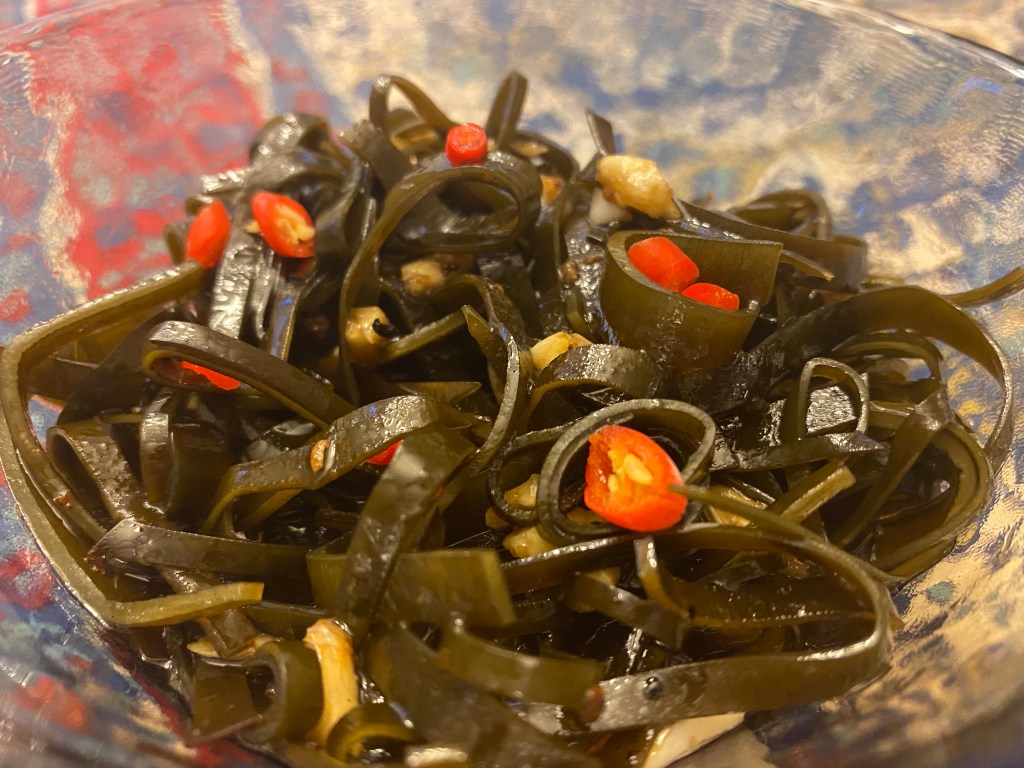
I tried this recipe to repurpose kombu seaweed that we had simmered to flavor a vegetarian Korean soup base: https://omnivorescookbook.com/chinese-seaweed-salad/ Our modifications: for the hot chili oil, we used 1.5 Tbsp corn oil and 1/2 tsp Sichuan peppercorns (which we ground by hand). We garnished with part of a chopped Thai bird’s eye chili. This was very tasty. (Aug. 2022)
-
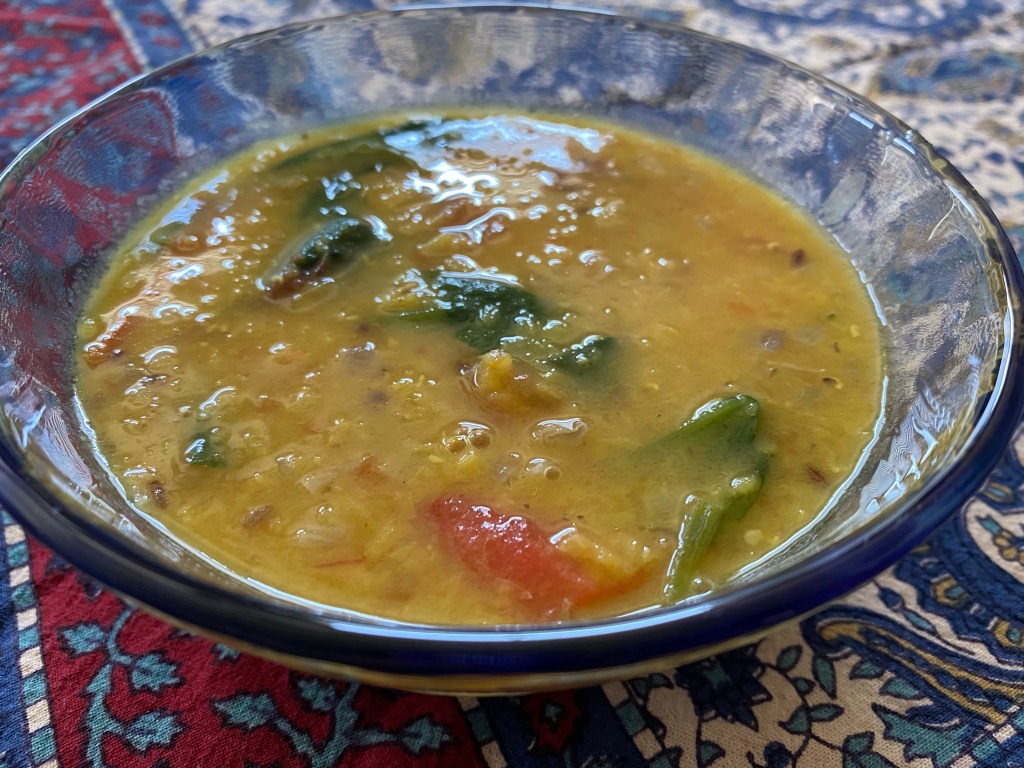
We made this recipe from Shubhra Ramineni’s Healthy Indian Vegetarian Cooking, and it was surprisingly delicious. First, pick through 1/2 cup split red lentils to remove grit, then place in a small bowl and rinse the lentils with cold water (filling and carefully draining 3 times). Second, place the lentils, 2 1/4 cup water, 1 small roma tomato (halved or quartered), 1/4 tsp turmeric, 1/4 tsp cayenne, and 1/2 tsp salt in a small pot. Stir, then bring to a rolling boil over high heat. Once boiling, stir and reduce heat to medium for 10 mins, lightly mashing the tomato. Third, reduce heat to low and cover the pot. Simmer until lentils are completely soft (about 5 mins). Turn off the heat. Fourth, heat 1.5 Tbsp vegetable oil in a small skillet over medium heat, then add 1 shallot (minced) and 1/4 tsp cumin seeds. Saute until shallot is browned (about 5 mins). Then, add the shallot-cumin seed mixture and 1 Tbsp unsalted butter to the pot containing the lentils. Stir until the butter melts. Stir in about 1 Tbsp chopped cilantro, and it’s ready to serve. (Aug. 2022)
Note: As depicted in the photo, we often stir in a handful of fresh baby spinach to the lentil mixture prior to adding the shallot-cumin seed mixture and butter.
-
Subscribe
Subscribed
Have a WordPress.com account? Log in now.

