-
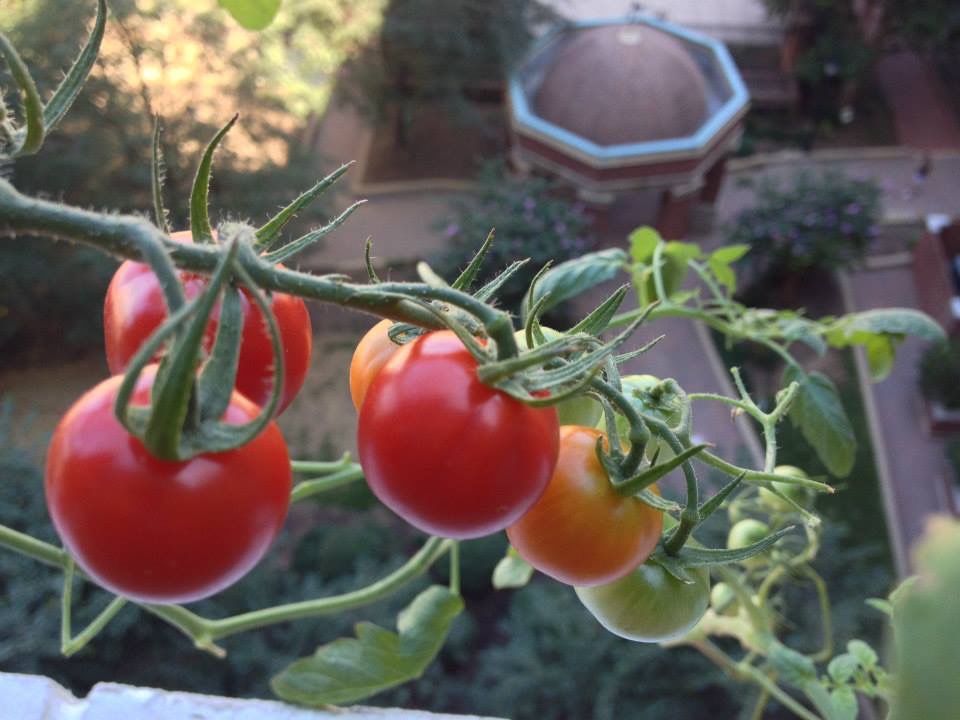
I cook as a hobby, and I maintain this blog primarily to keep track of recipes that my family has enjoyed over the years. I started blogging back in 2015, in response to requests from friends for recipes they had seen me post on Facebook (but that I couldn’t easily catalog). My original blog was on another platform that became less user-friendly over time. I migrated my blog to WordPress earlier this year, and I’ve spent more time than expected reformatting the migrated posts.
This blog is and always will be a work in progress. For example, I currently provide Tags for posts, but I have not coded for Categories. I also generally try to share the recipes themselves in my posts, but in cases where the recipe is not available online, I try to identify the source (e.g., the cookbook title and author) as needed. In some cases, such as where a family has shared their recipe with me but hasn’t authorized me to share it widely, I post a photo of the dish with that proviso.
I recently added a Search widget to this blog. On the desktop version, the Search bar appears prominently on the left hand side. But for some reason, it is hidden on the mobile app. If you’re on your phone, tap on the SHOW tab at the top left of the home page. That will reveal another screen with the Search bar.
I hope you enjoy exploring my blog and find some recipes to try.
-

This is a dish from my childhood, with modifications. Place 10 cups in Dutch oven, then add 1 ½ large pieces (three 5-inch squares) of dried kombu and about 30 dried anchovy (myul chee) to a boil, and keep at a rolling boil, uncovered, for about 10 mins. Reduce to a simmer, and flavor as needed (we add 2 Tbsp Korean anchovy soup base, 2 tsp Korean beef bouillon (sogogi dashida), and ½ tsp each garlic powder and black pepper to taste). Add 1 potato (here, Idaho) and ¼ lb daikon radish, peeled and cut into 1 inch squares. Let simmer for 10 mins, then add a variety of sliced Japanese fish cakes (about 5.5 oz), ranging from kamaboko to small spheres, to the pot. Let simmer, then add a potato starch slurry (about 1 Tbsp diluted with 2 Tbsp room temperature water) to thicken. If desired, add 3 scallions (cut into straws) and 2 oz each bonapi and enoki mushrooms. Then pour a thin stream of egg whites from 6 eggs into the broth, creating ribbons in the soup. Separately, cook udon noodles until al dente, drain, and set aside. Serve by placing some noodles in a bowl, then pouring the soup mixture overtop. Garnish with chopped scallions. This recipe is from my mom, with modifications (addition of onion and a wider variety of fish cake). (Sept. 2018)
-

This multi-step recipe is courtesy of my friend Andrea, and it will involve many pots and pans. You will be making the chicken sauce and chicken broth, and boiling noodles. You also will need the following garnishes to serve with the finished dish per person: 2 tsp to 1 Tbsp toasted chickpea flour (besan), a few fresh lime wedges, Burmese toasted chili flakes (spicy), a few sprigs fresh cilantro, and sliced hard-boiled eggs (½ to 1 sliced egg per person).
First, take 1 lb bone-in, skin-on chicken breast (about 3 large breasts, or a 3 lb small whole chicken, which yields about 1 lb chicken meat). Remove the skin and bones, place into a medium size pot, and set aside (see Second below). Dice the chicken flesh into ½ inch cubes, then marinate in 1 Tbsp paprika, ¾ to 1 Tbsp fish sauce, 1/8 tsp turmeric, and a dash of salt (optional). Mix well and set aside.
Second, pour enough water into the chicken skin-bone pot to cover with an inch of water above the bone. Add 2 inch peeled fresh ginger (rough-cut into 4 thick penny slices), 3-4 crushed garlic cloves, 1 tsp fish sauce, and a dash (maybe ½ tsp) freshly ground black pepper. Place on the back burner of stove, bring to a boil, then reduce to a simmer and let gently cook while you’re preparing the rest of the dish.
Third, bring a second pot of water to boil. Prepare 1 package (4 serving) thick Vietnamese tapioca noodles (Banh Canh vermicelli aka tapioca strip – see Note below) by boiling the tapioca noodles for 20 mins, uncovered on a rolling boil. Then at the end of 20 mins, cover and turn the heat off but leave the pot on the burner with the water until tapioca noodles are al dente (about 12 mins), then drain and rinse thoroughly in cold water.
Fourth, while the tapioca noodles are boiling, start the chicken tomato sauce. Heat a large wok, then add 1/3 cup neutral vegetable oil. Add ¼ cup fried onion (available at Indian grocery) and 3 medium tomatoes (cut into ½ inch dice). Cook on medium-high heat. When the oil separates from the tomato, stir in the marinated chicken. Let cook on medium-low heat until chicken is fully cooked (about 15 mins).
Finally, to serve: take ¼ of the cooked noodles and place in a wide, flat bowl. Ladle about ¼ of the chicken tomato sauce on top. Garnish to taste with about 2 tsp toasted chickpea flour, a dash of Burmese chili flakes, a few sprigs cilantro, juice from ¼ of a lime, and ½ sliced egg. Mix well, and it is ready to eat (feel free to add more garnishes to your specific taste). Serve with a small bowl of the lightly seasoned chicken broth. (Sept. 2018)
Note: The brand of tapioca noodles Andrea recommends is a Vietnamese brand called Double Fish brand. It comes in red and yellow packaging, and despite the “vermicelli” description, it looks thick and round, like large bucatelli.
-

The Kitchn has great instructions for making hard, medium, and soft-boiled eggs. Details here: https://www.thekitchn.com/how-to-boil-eggs-perfectly-every-time-video-202415 (Sept. 2018)
-

We followed this recipe: https://www.foodnetwork.com/recipes/ina-garten/rich-beef-barley-soup-recipe-2041687 Our modifications: first, we used 1 lb each oxtail and boneless beef roast. Second, we added 8 oz cremini mushrooms (cut into bite-sized pieces – halved, then each half cut into 3-4 pieces) to the carrot and celery mixture. Following the instructions, we cooked the barley separately, then we drained it and added it to the soup. (Sept. 2018)
-

This kheer-like recipe was a good use of leftovers: 1 cup cooked jasmine rice and 1 cup coconut milk. We tried this recipe: https://www.geniuskitchen.com/recipe/rice-pudding-made-with-coconut-milk-113661 Our modifications: first, we used 1 cup cooked jasmine rice (so we skipped the first step). Second, we skipped the cinnamon stick and used the lemon rind only as a garnish. Third, we toasted ¼ cup pistachios, divided into 3 Tbsp and 1 Tbsp. Fourth, we placed the cooked rice in a small pot, then stirred in ¼ tsp cinnamon, ¼ tsp ground cardamom, ¼ cup brown sugar (loose, not packed down), 1 tsp vanilla extract, 2 Tbsp golden raisins, 3 Tbsp toasted pistachios, 1 cup coconut milk, and 1 cup milk. We brought it to a boil and then reduced to a simmer (uncovered) until the flavors melded and the texture resembled that of kheer (about 15 mins). We served the pudding and garnished with the remaining 1 Tbsp toasted pistachios and 2 tsp grated lemon rind. (Sept. 2018, updated Apr. 2020)
Note: This photo was taken in Sept. 2018. We added pistachios and grated lemon rind to the recipe in Apr. 2020.
Note 2: The 2:1 ratio of liquid (1 cup coconut milk and 1 cup milk, for a total of 2 cups) and cooked rice (1 cup) is correct. At first it will look like the rice is drowning in liquid. Fight the urge to add more rice; as the pudding cooks, it will become more viscous and start to resemble kheer. We learned the hard way by cavaliarly doubling the rice (2 cups), and the end result was a too-thick pudding with diluted flavors. (Apr. 2020)
-

We were inspired by these two Sri Lankan recipes: https://www.geniuskitchen.com/recipe/spicy-beef-curry-331044 and http://www.recipesaresimple.com/south-indian-beef-curry/. First, combine 1 lb boneless beef chuck roast (cut into 1 inch chunks) with: 1 tsp chili powder (not cayenne or paprika), 2 tsp Sri Lankan curry powder (we substituted with Jamaican), ½ tsp turmeric, 1 tsp ground black pepper, 1 tsp salt, 1 tsp ground coriander, ½ tsp fennel seeds, and 1 Tbsp tamarind concentrate (from a jar). Mix well (the mixture coating the beef will be fairly dry, like a thick paste) and set aside. Second, using a large Dutch oven, heat 3 Tbsp olive or vegetable oil, then add ¼ cup diced red onion (we used 1 large shallot) and 1 diced, seeded jalapeño pepper. Saute until fragrant, then add 1 tsp microplaned ginger and 3 finely minced garlic cloves and stir for a minute. Add the seasoned beef chunks and ½ lb (about 1 large or two small) skin-on yukon potatoes, cut into 1 inch chunks. Stir in ½ cup coconut milk and ½ cup water and bring to a boil. Reduce to a simmer, cover, and cook until potato is tender (about 30-35 mins). We served this with cumin-infused basmati rice with peas (http://piglettedc.tumblr.com/post/118536502046/indian-cumin-infused-basmati-rice-with-peas-rinse) and whole wheat lavash bread (to substitute for Indian whole wheat flatbread). (Sept. 2018)
-

We tried this Skinnytaste recipe: https://www.skinnytaste.com/oven-fried-chicken/ Our modifications: first, instead of bran flakes, we used a combo of 2 cups cornflakes and ½ cup breadcrumbs, and we omitted the salt. We placed the cornflakes, breadcrumbs, and dry spices in a handheld food chopper so that all of the coating would be evenly blended (see Note below). Second, we found that 5 Tbsp mayo and 1 mounded tsp whole grain mustard was more than sufficient to coat 7 (not 6) medium drumsticks, which we brushed on with a silicone brush. We placed the drumsticks on a baking rack lightly sprayed with oil; the rack was placed on a foil-lined rimmed baking sheet. In order to bake the chicken along with accompaniments, we increased the temp to 425. We served the chicken along with oven-roasted Lebanese salmon (http://piglettedc.tumblr.com/post/159657663406/lebanese-oven-roasted-salmon-fillet-we-followed) and oven-roasted asparagus (http://piglettedc.tumblr.com/post/114455586296/oven-roasted-asparagus-preheat-oven-to-425) (Sept. 2018)
Note: We found the coating spicier than necessary. The next time, we may reduce the cayenne from ½ tsp to ¼ tsp.
-

We followed this recipe, but halved it: https://www.geniuskitchen.com/recipe/chinese-sweet-sausage-omelet-138905 Our modifications: first, we omitted the MSG and salt. We also cut the sausage vertically and then into ½ inch slices on the diagonal. Second, we added 1 Tbsp of milk to the 2-egg mixture. Third, perhaps because we used only 1 sausage (by halving the recipe), we didn’t see excess oil in the pan to drain off. As a result, we left the browned sausage pieces in the pan and poured the egg-scallion mixture overtop. We cooked ln low heat, and then folded over. (Sept. 2018)
-

We tried this recipe as a side dish for Rosh Hashanah: https://cooking.nytimes.com/recipes/1016885-tomato-fruit-salad We omitted the pomegranate arils and substituted with 1 ½ tsp pomegranate molasses, along with a drizzle of balsamic vinegar and olive oil, as well as a dash of freshly ground black pepper. (Sept. 2018)
-

We tried this NYT recipe for an easy Rosh Hashanah dinner: https://cooking.nytimes.com/recipes/1016808-sweet-and-spicy-roast-chicken As some NYT comments suggested, we cut the carrots a little thinner to make sure they would be done at the same time as the chicken. After marinating overnight, we placed the vegetable mixture in a single layer on an oil-sprayed rimmed baking sheet, then placed the chicken on the vegetables, skin side up. We roasted the entire sheetpan for 45 mins, then garnished with toasted pistachio and parsley. This is like a sheetpan version of tsimmes, with Middle Eastern flavors. (Sept. 2018)
-
Subscribe
Subscribed
Have a WordPress.com account? Log in now.

