-
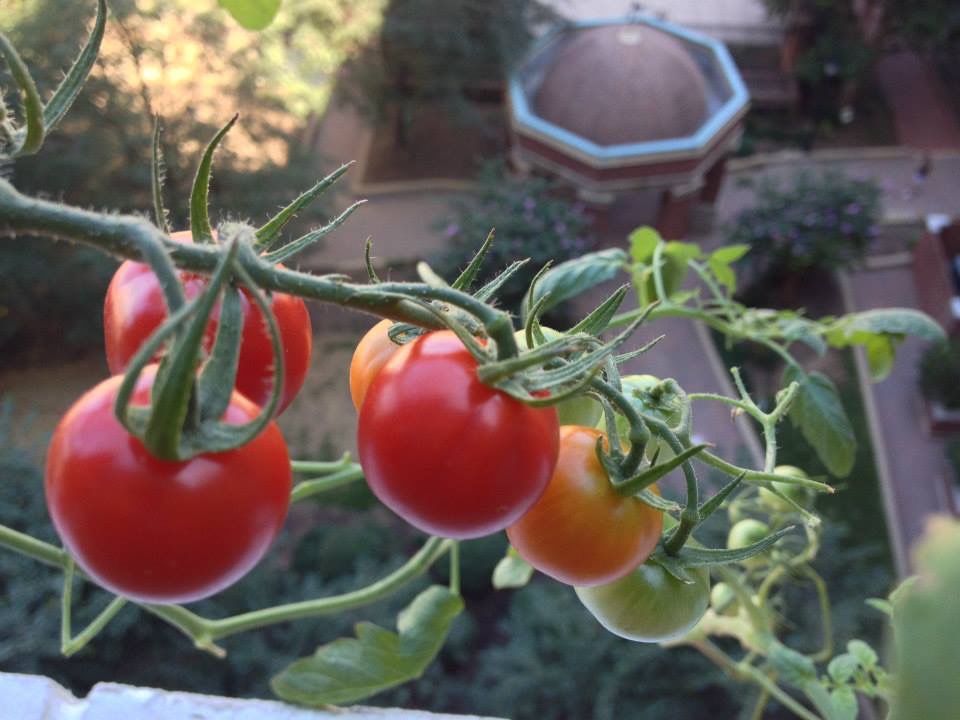
I cook as a hobby, and I maintain this blog primarily to keep track of recipes that my family has enjoyed over the years. I started blogging back in 2015, in response to requests from friends for recipes they had seen me post on Facebook (but that I couldn’t easily catalog). My original blog was on another platform that became less user-friendly over time. I migrated my blog to WordPress earlier this year, and I’ve spent more time than expected reformatting the migrated posts.
This blog is and always will be a work in progress. For example, I currently provide Tags for posts, but I have not coded for Categories. I also generally try to share the recipes themselves in my posts, but in cases where the recipe is not available online, I try to identify the source (e.g., the cookbook title and author) as needed. In some cases, such as where a family has shared their recipe with me but hasn’t authorized me to share it widely, I post a photo of the dish with that proviso.
I recently added a Search widget to this blog. On the desktop version, the Search bar appears prominently on the left hand side. But for some reason, it is hidden on the mobile app. If you’re on your phone, tap on the SHOW tab at the top left of the home page. That will reveal another screen with the Search bar.
I hope you enjoy exploring my blog and find some recipes to try.
-
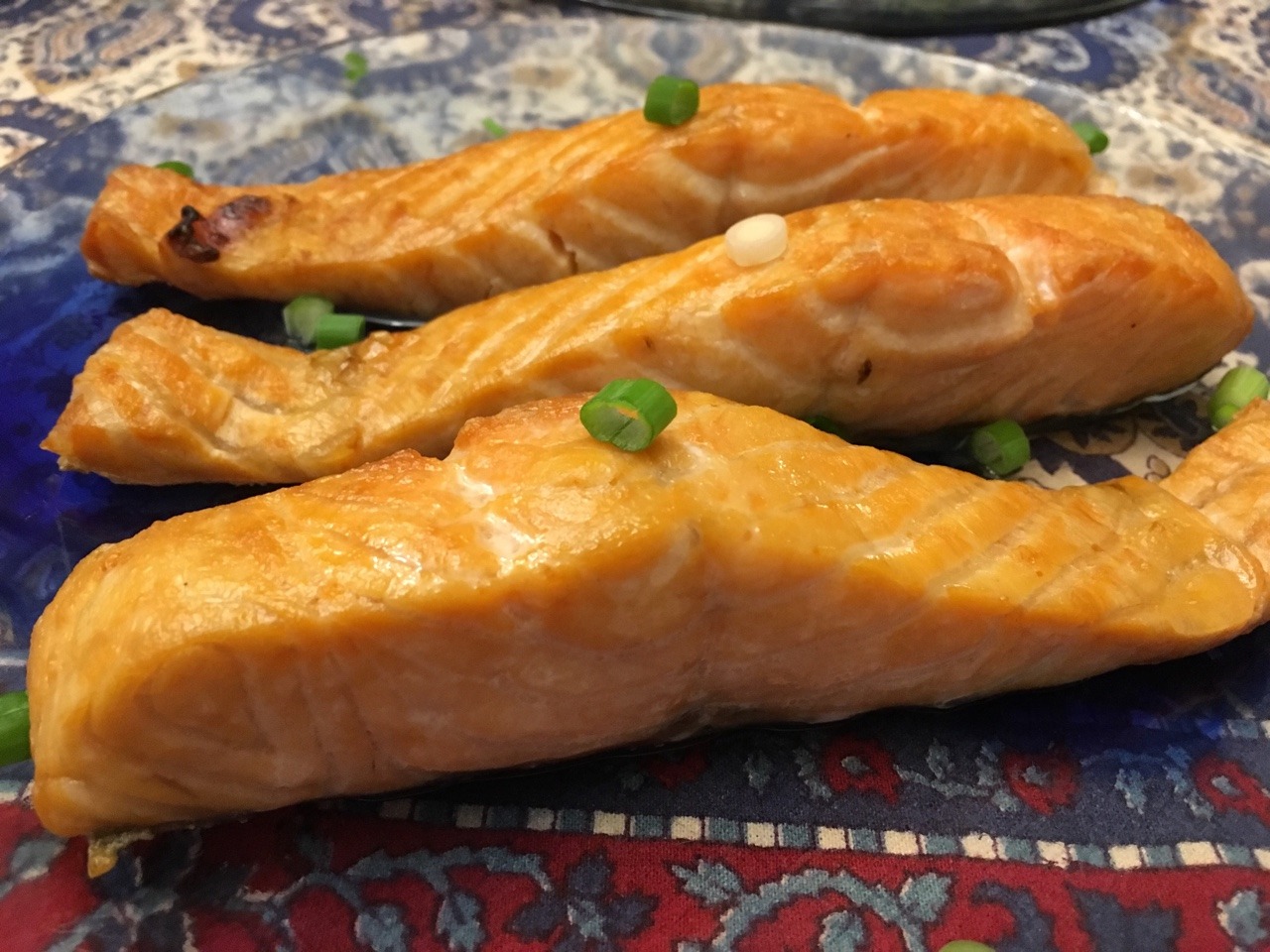
We tried this recipe: https://www.japanesecooking101.com/shiozake-recipe/ We dry-salted the salmon (about ¾ tsp per 1-inch thick filet) overnight. (For a 1.5 lb salmon filet, we cut about 4 ½ pieces.) Because we did not a grill, we used the oven. We first lined a baking sheet with foil, then placed a wire rack on top of the foil. Then we sprayed the rack with oil before placing the salmon, skin side down, on the oiled rack. We oven-roasted at 450 for 15 mins and then oven-broiled (on high, with the rack 8 inches below to minimize splattering) until the salmon was fully cooked and lightly browned (about 5 mins).
-
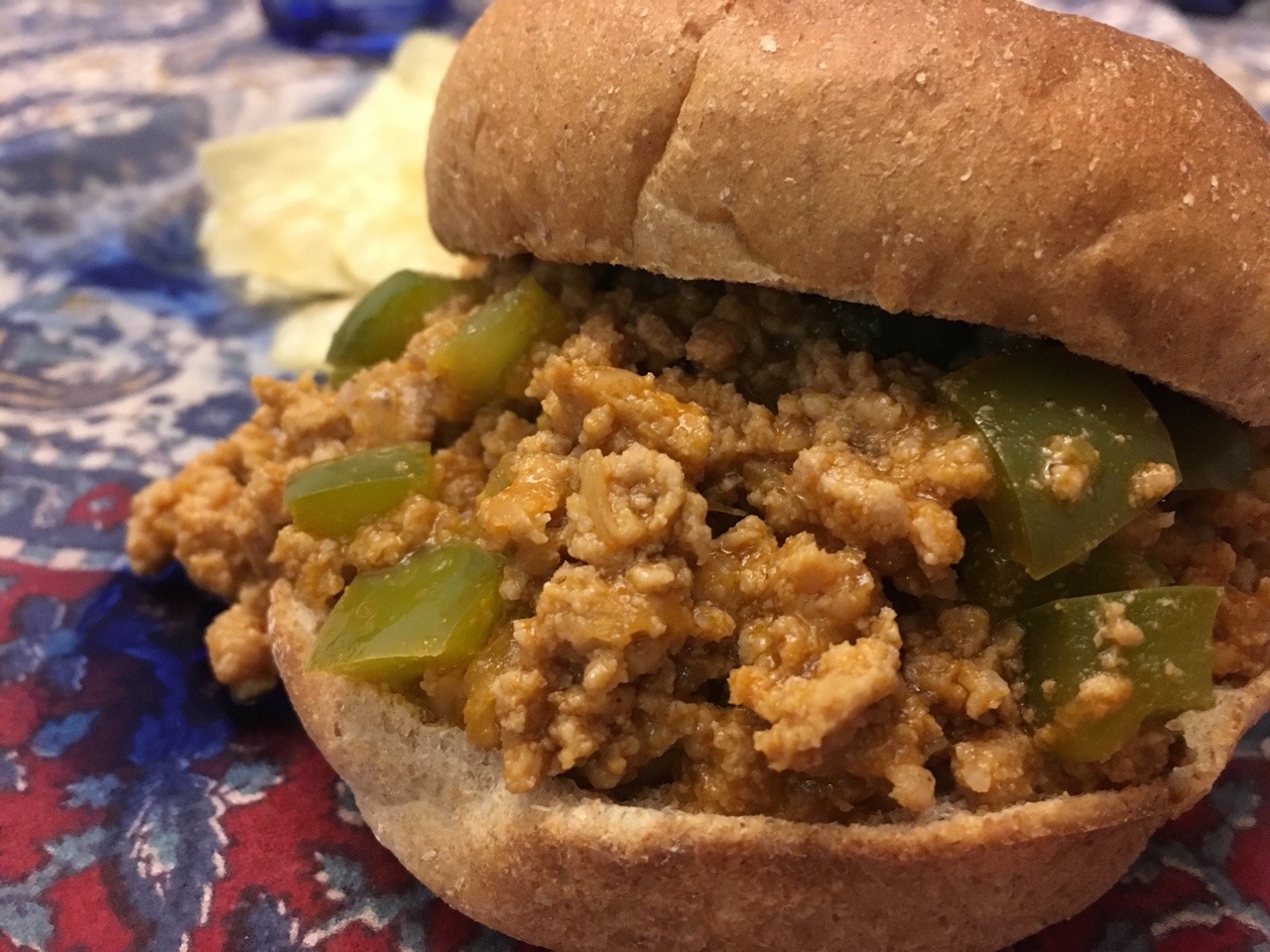
We tried this recipe: https://www.allrecipes.com/recipe/223050/chef-johns-turkey-sloppy-joes/ Our modifications: first, we used 1 1/3 ground turkey but did not adjust the seasonings. Second, we added one green bell pepper (cut into ½ inch dice), around the time we added the ketchup. Third, we skipped the fresh scallions and reduced the amount of shredded white cheddar to 2 Tbsp (¼ cup). (May 2018)
Note: We found this spicier than expected. The next time we may reduce the cayenne to ½ tsp.
-
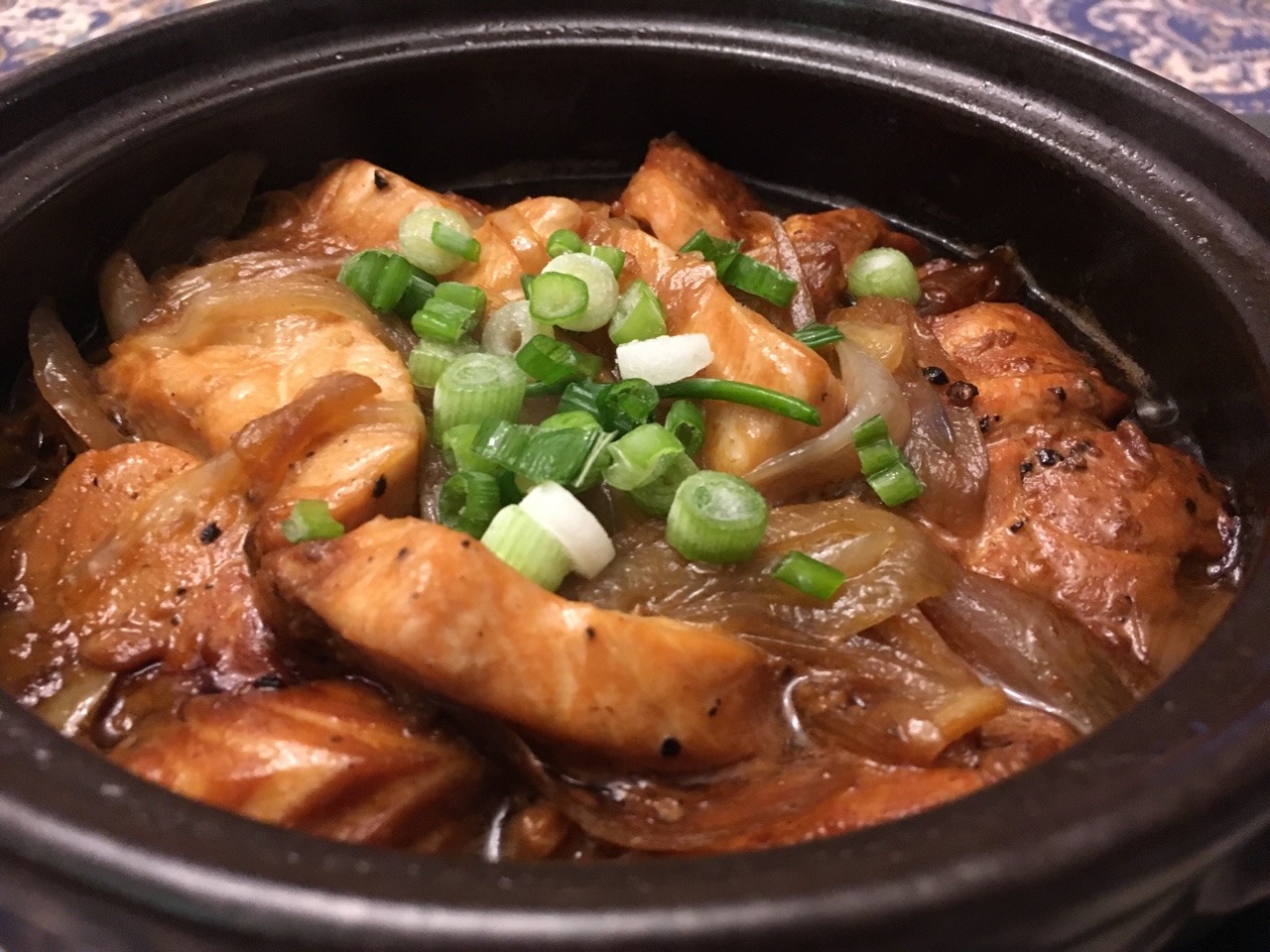
We followed this recipe but made modifications: https://www.splendidtable.org/recipes/caramelized-catfish-sand-pot First, we used 1.5 lb skinless salmon filet, cut into 1×2” pieces. We marinated the salmon pieces as directed in a mixing bowl. Second, we omitted bacon and sautéed 5 sliced garlic cloves and 2 large shallots (sliced 1/4” thick lengthwise) in 1 Tbsp neutral oil in a small sauté pan. We then lightly coated a medium Korean ceramic pot with oil, then heated it on medium. We added 1 layer of shallot and garlic, then poured in the marinated salmon (including any leftover marinade) and the rest of the shallot/garlic mixture. We covered and simmered for 10 mins, then added up to 3 Tbsp water and cooked this about 15 mins less than what the directions stated (or 30-35 mins total for the final two steps), since we had fish filets instead of fish steaks. It is important to pay attention to the simmering versus hard boil process in order to avoid burning the sugar (which can happen on too high heat). If you smell any burning, remove from heat immediately and consider using a smaller ring burner if you resume cooking. (May 2018)
Note: If you find yourself with skin-on salmon, use a boning knife to separate the skin from flesh. Instead of discarding the skin, you can make crispy salmon skin following this recipe: http://piglettedc.tumblr.com/post/163869529391/crispy-salmon-skin-inspired-by-andrea-nguyensSource: Andrea Nguyen’s Into the Vietnamese Kitchen: Treasured Foodways, Modern Flavors (Ten Speed Press, 2006).
-
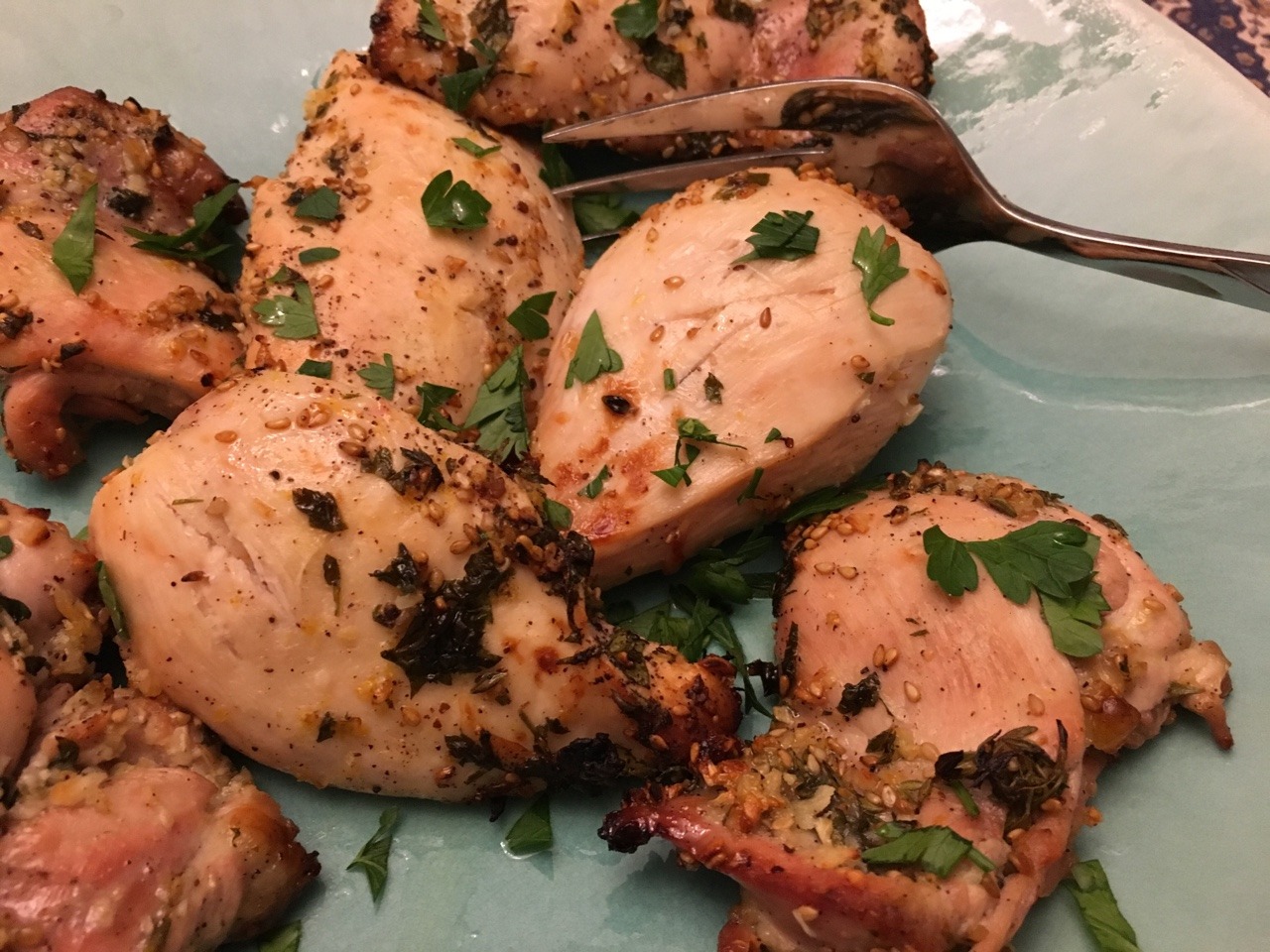
We used 6 small thighs and two medium breasts (cut in half-chunks), all skinless and boneless. Recipe here: https://cooking.nytimes.com/recipes/1018244-middle-eastern-herb-and-garlic-chicken We baked at 450 and also broiled on low, for a total of 20-25 mins. We skipped the yogurt dressing. (May 2018)
-
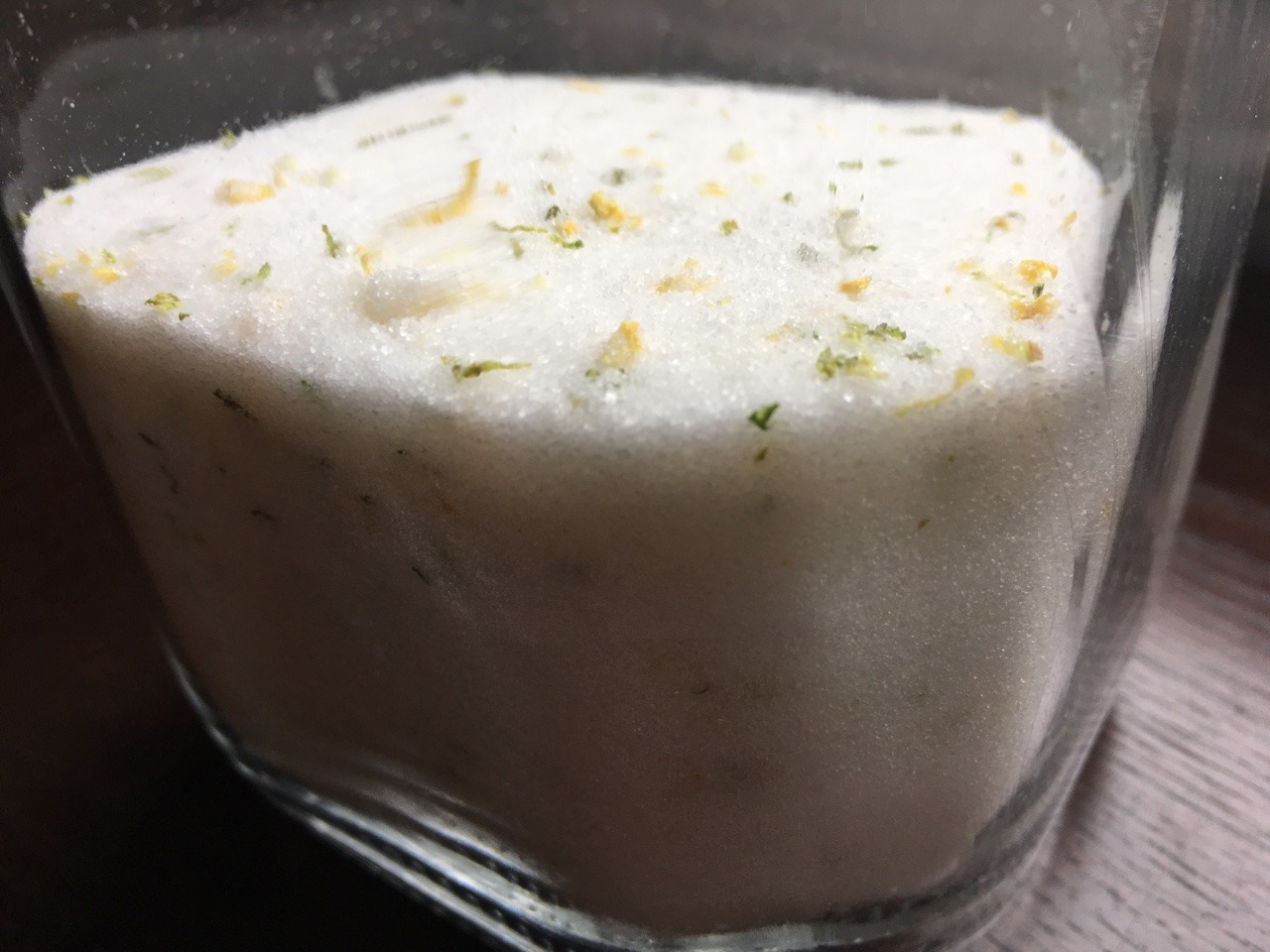
We tried this recipe: https://www.thekitchn.com/recipe-citrus-sugar-226250 We used zest from 2 lemons and 2 limes, baked at 170 degrees for 12 mins, which is how long it took for the zest to be dry to the touch. It’s a good way to repurpose citrus rinds leftover from recipes calling for only juice. (May 2018)
Note: We zested six navel oranges, which yielded 4 mounded Tbsp zest. In addition to using two foil-lined sheet pans, we baked at 175 (not 170) for 20 mins, then we turned off the heat but kept the sheet pans in the ambient heat of the oven until the oven cooled. (Sept. 2019)
-
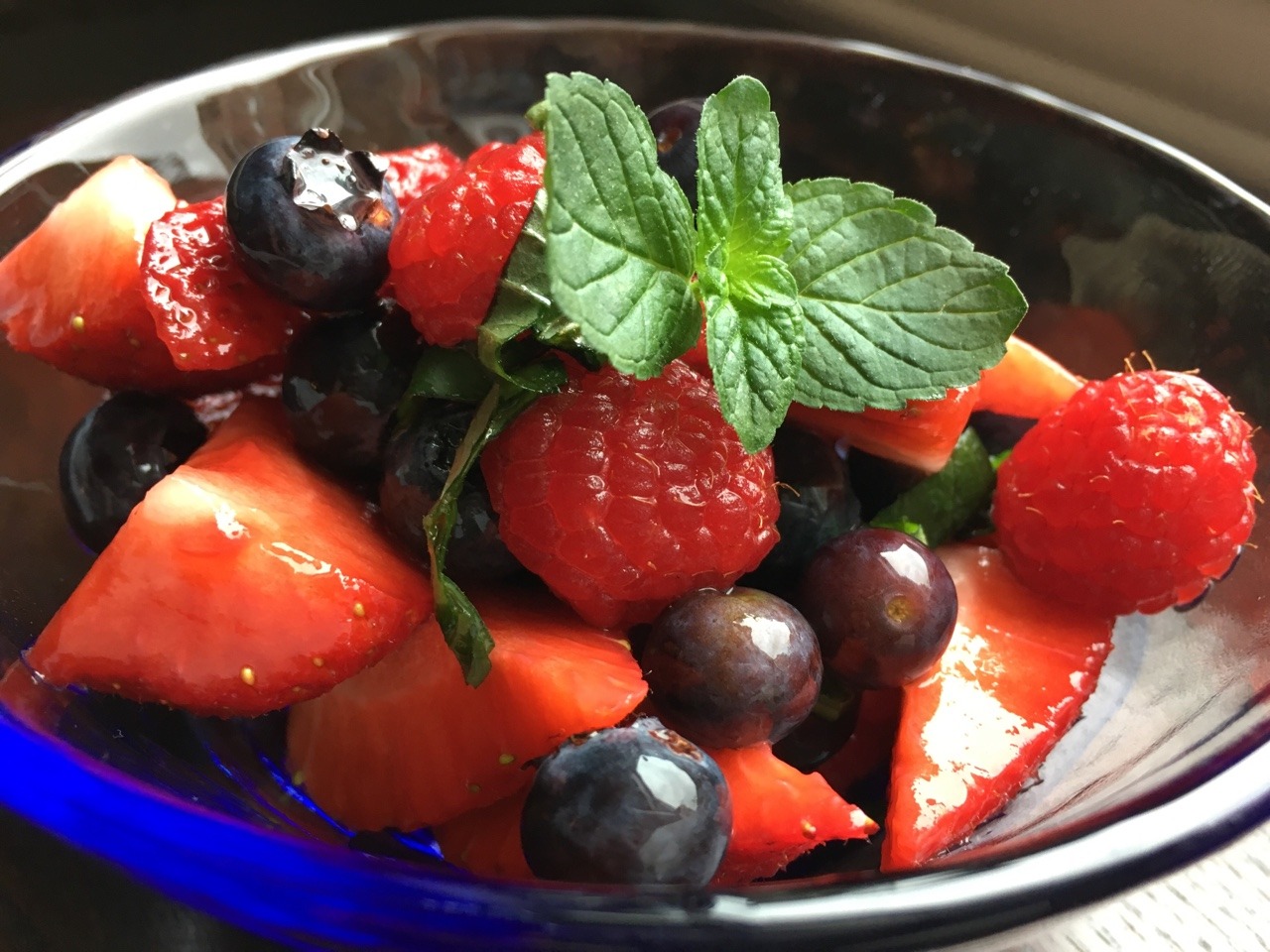
We tried this recipe: https://www.spoonfulofflavor.com/2013/04/12/triple-berry-salad/ We used raspberries instead of blackberries. We also julienned the spearmint leaves (except for the garnish). (May 2018)
-
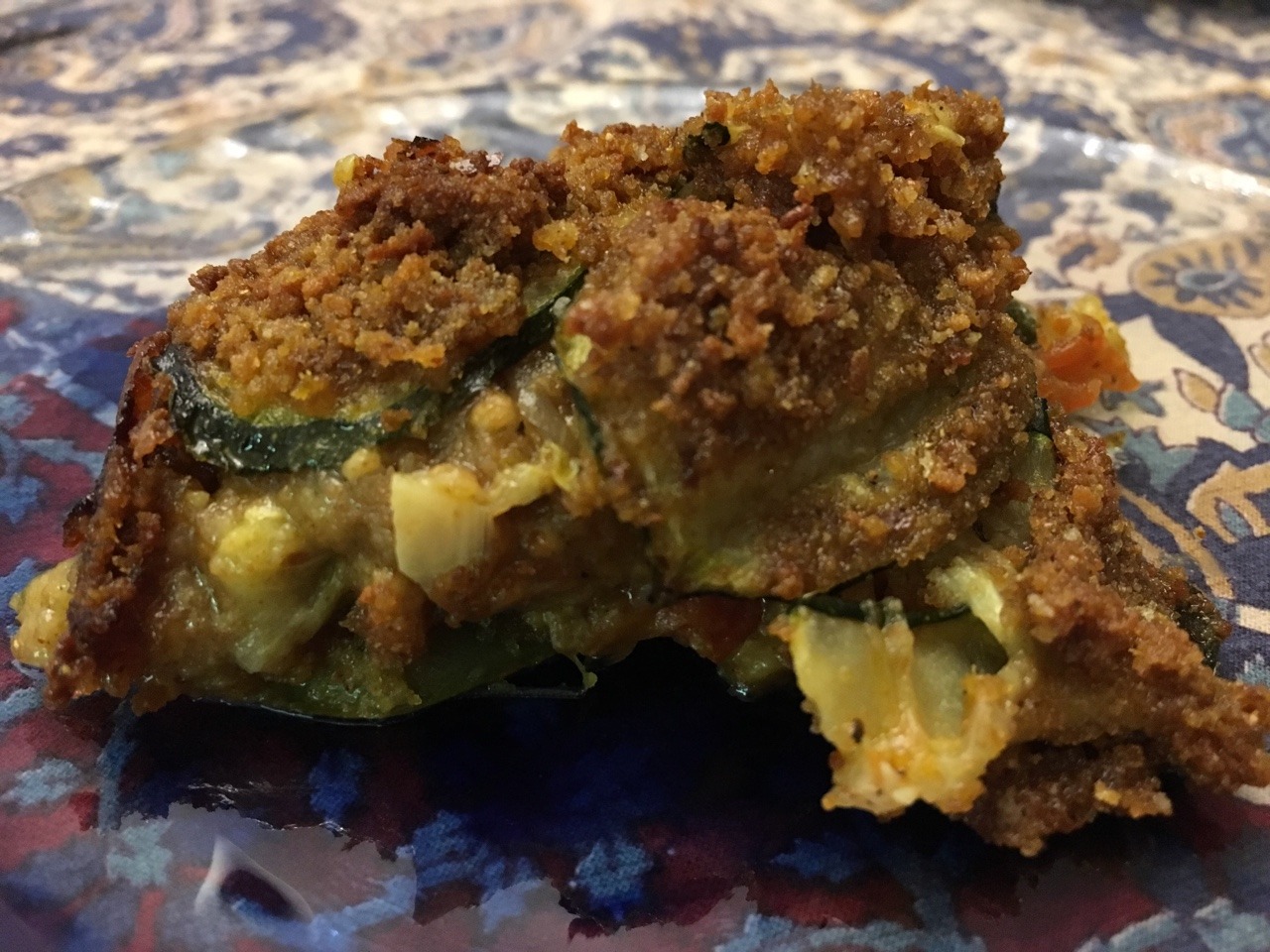
We tried this NYT recipe: https://cooking.nytimes.com/recipes/1014910-zucchini-tian-with-curried-bread-crumbs Our modifications: first, we used plain bread crumbs instead of panko flakes. Second, we found that 2 large zucchini was more than enough for this recipe. Third, we used 3 medium vine-ripened tomatoes (rough cut) instead of 1 pint grape tomatoes. Finally, we used lemon zest instead of orange zest. (May 2018)
-
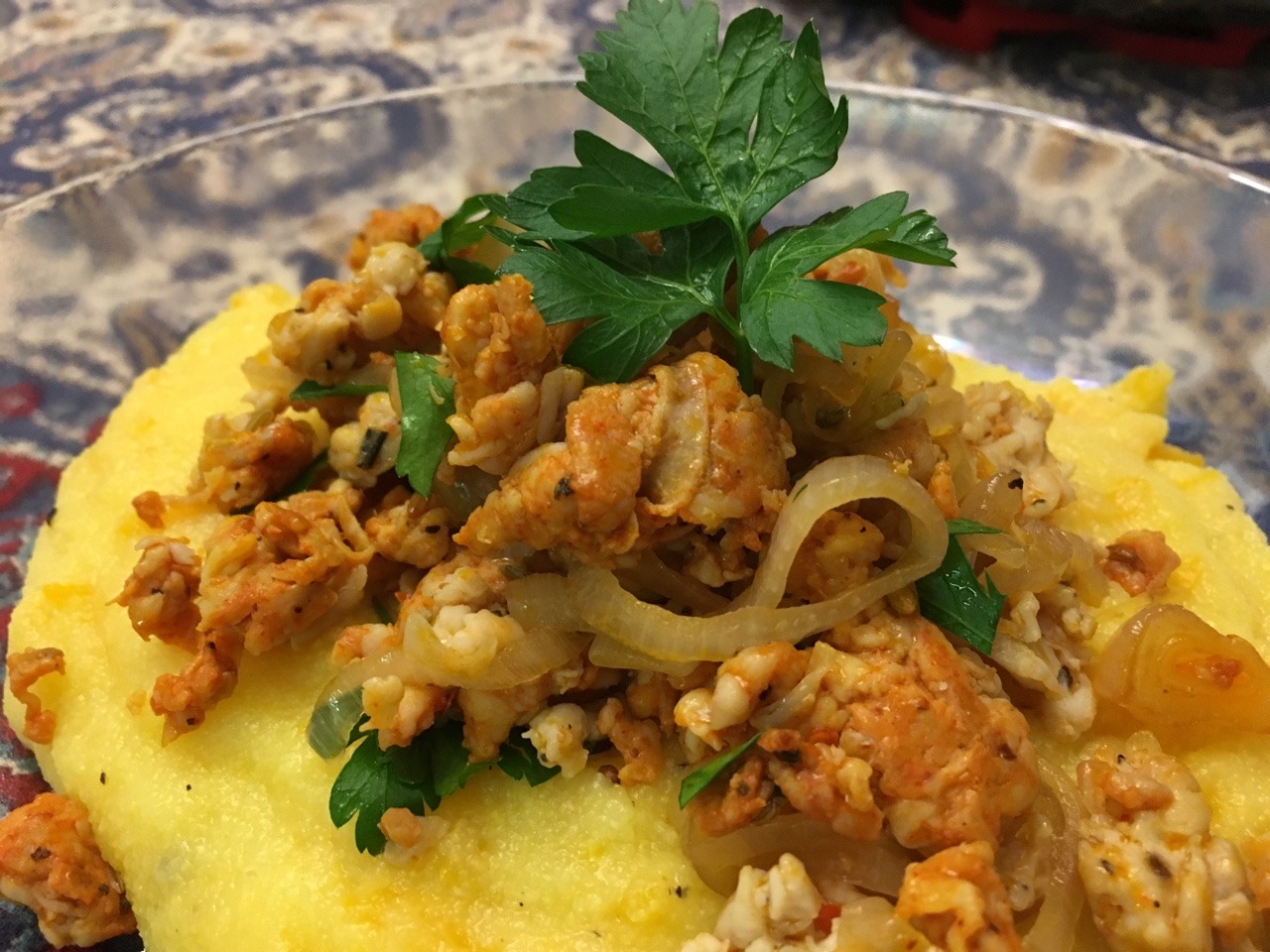
Details here: https://cooking.nytimes.com/recipes/1016103-butternut-squash-polenta-with-sausage-and-onion Our modifications: first, for the polenta, we used 5 oz spiralized butternut. We also added about 1/3 cup water slowly over time while simmering to make sure the polenta mixture wasn’t too viscous. Second, we used a mix of hot and sweet Italian chicken sausage (2 links each). We also sautéed the onion with the sausage, rather than separately. (May 2018)
-
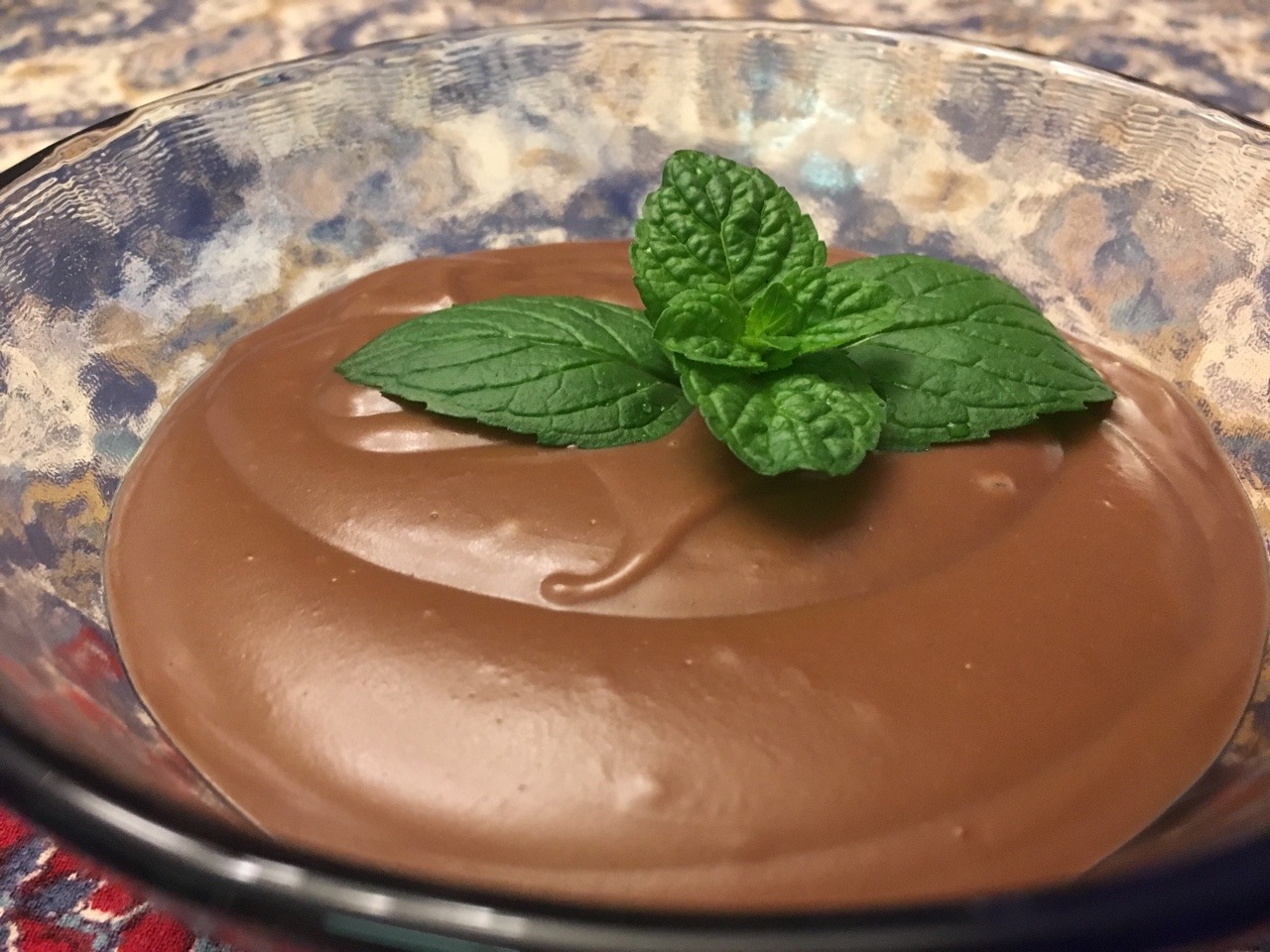
We tried this recipe because it required only pantry ingredients and did not call for whipping or heavy cream: https://cookiesandcups.com/easy-chocolate-pudding/ We garnished with fresh spearmint. (May 2018)
Note: For a spicy variation, add a dash each cayenne (1/8 to 1/16 tsp) and cinnamon (1/8 tsp) to the dry ingredients. You also can garnish with the same.
-
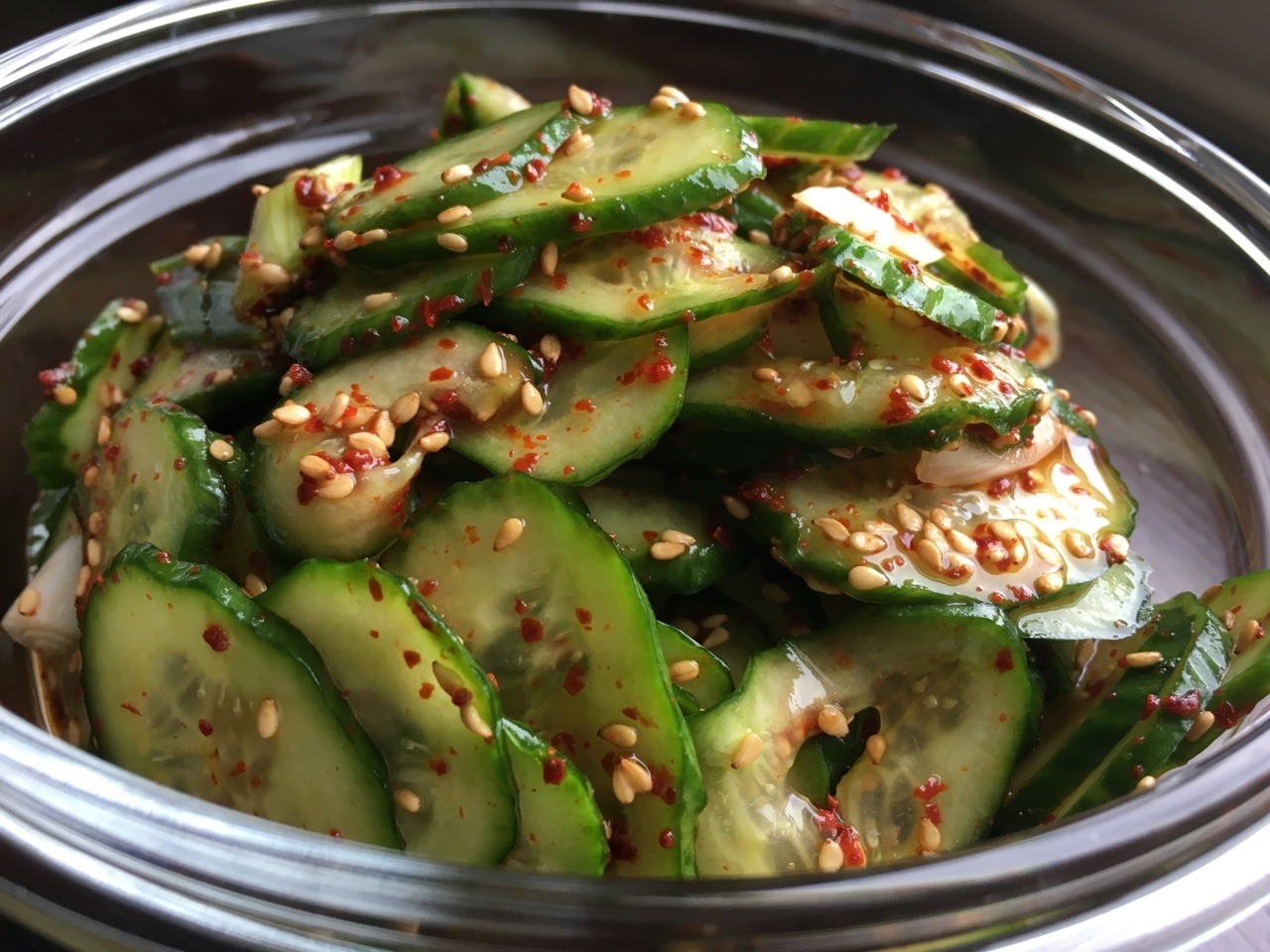
We tried this recipe from A Korean Mother’s Cooking Notes by Sun-young Chang. First, clean 3 Persian cucumbers by rubbing with slightly wet coarse salt, then rinse and dry. Trim off ends, then slice on a diagonal to 1/16” thick (we used a mandolin). Stir in 1 tsp salt, 1 Tbsp rice vinegar (we use Marukan green label), and 1 ½ Tbsp sugar. Mix well, then fold in 1 chopped scallion, 1 Tbsp red pepper powder aka gochu garu (we reduced to ½-¾ Tbsp), and 1 Tbsp crushed roasted sesame seeds (this can be reduced by half; we forgot to crush the seeds). (May 2018)
-
Subscribe
Subscribed
Have a WordPress.com account? Log in now.

