-
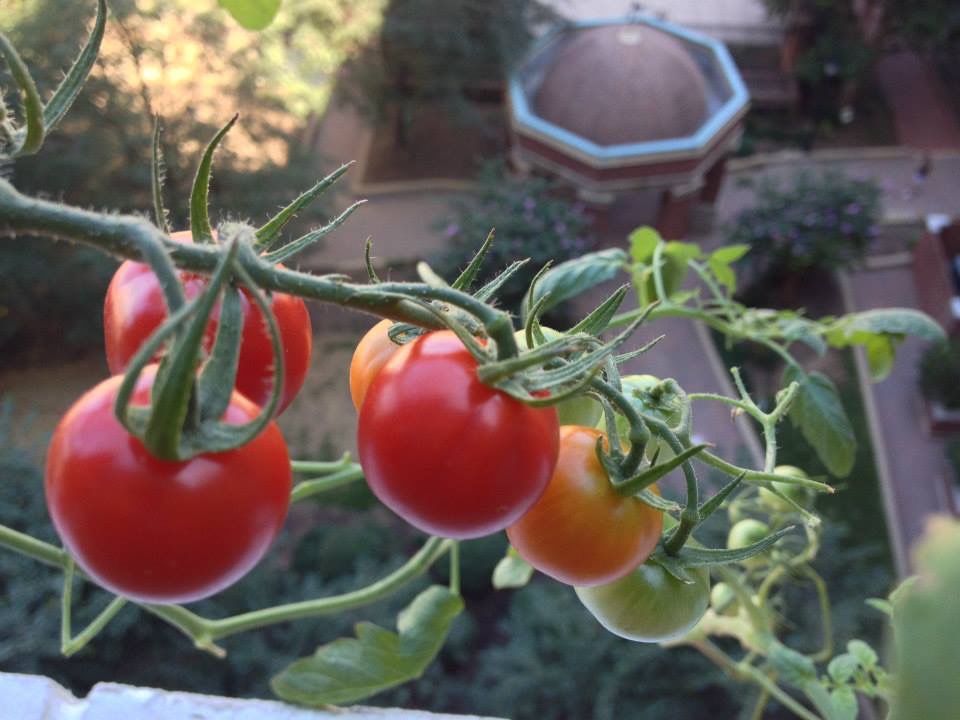
I cook as a hobby, and I maintain this blog primarily to keep track of recipes that my family has enjoyed over the years. I started blogging back in 2015, in response to requests from friends for recipes they had seen me post on Facebook (but that I couldn’t easily catalog). My original blog was on another platform that became less user-friendly over time. I migrated my blog to WordPress earlier this year, and I’ve spent more time than expected reformatting the migrated posts.
This blog is and always will be a work in progress. For example, I currently provide Tags for posts, but I have not coded for Categories. I also generally try to share the recipes themselves in my posts, but in cases where the recipe is not available online, I try to identify the source (e.g., the cookbook title and author) as needed. In some cases, such as where a family has shared their recipe with me but hasn’t authorized me to share it widely, I post a photo of the dish with that proviso.
I recently added a Search widget to this blog. On the desktop version, the Search bar appears prominently on the left hand side. But for some reason, it is hidden on the mobile app. If you’re on your phone, tap on the SHOW tab at the top left of the home page. That will reveal another screen with the Search bar.
I hope you enjoy exploring my blog and find some recipes to try.
-
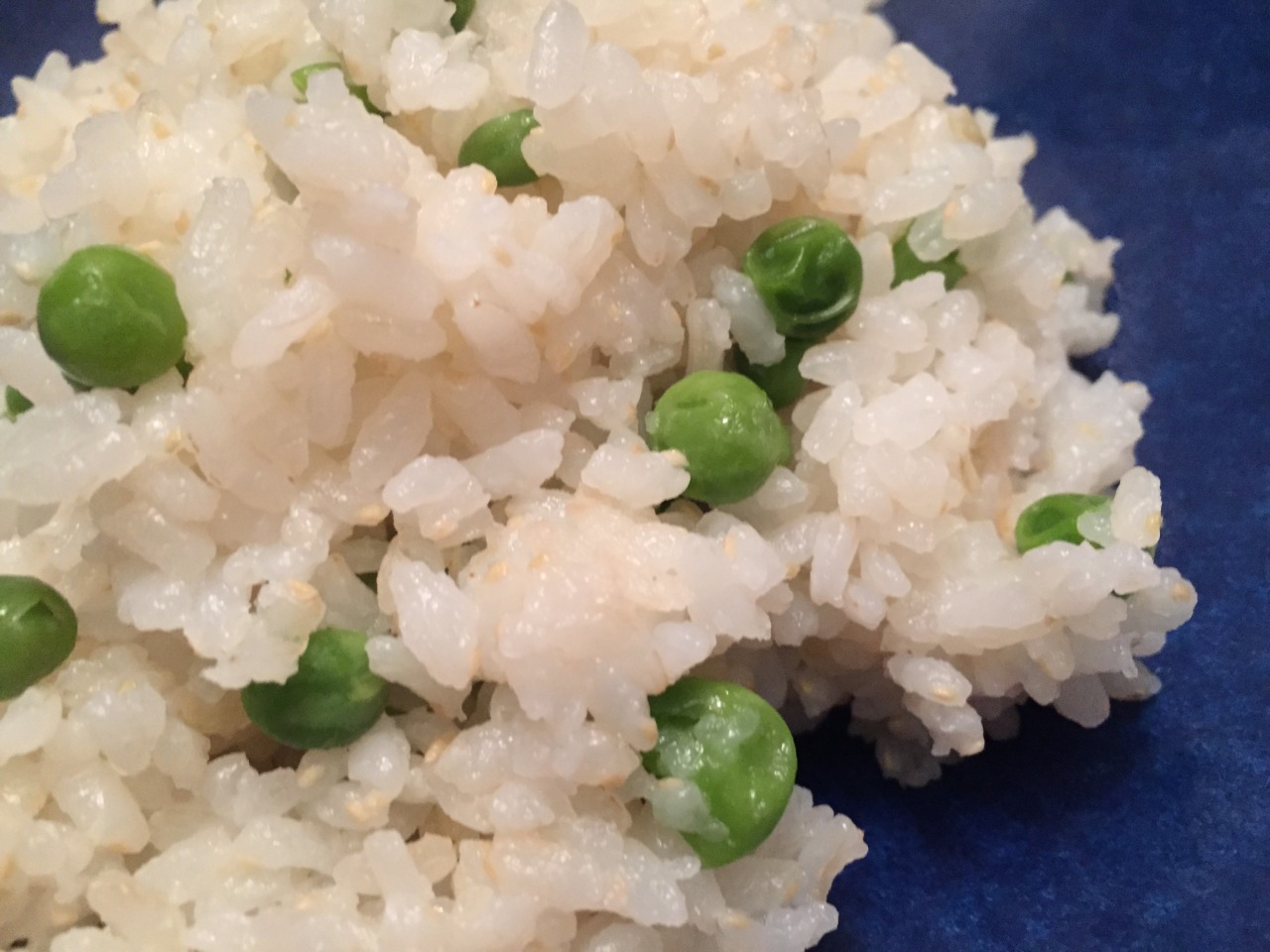
This is a simple twist on a staple inspired by a recipe I saw in Harumi’s Japanese Home Cooking. Cook 2 cups (using a rice cooker measuring cup) dry short-grain rice as usual in the rice cooker. When the cooker switches to “warm” and steam stops pouring out of the rice cooker’s steam release hole, open the lid and add about ½ cup frozen peas (do not mix). Cover lid and re-set the cooker to “cook,” and then allow the cooker to switch back to warm on its own. When ready to serve, lightly mix the peas into the rice and eat as usual. (Apr. 2015)
-
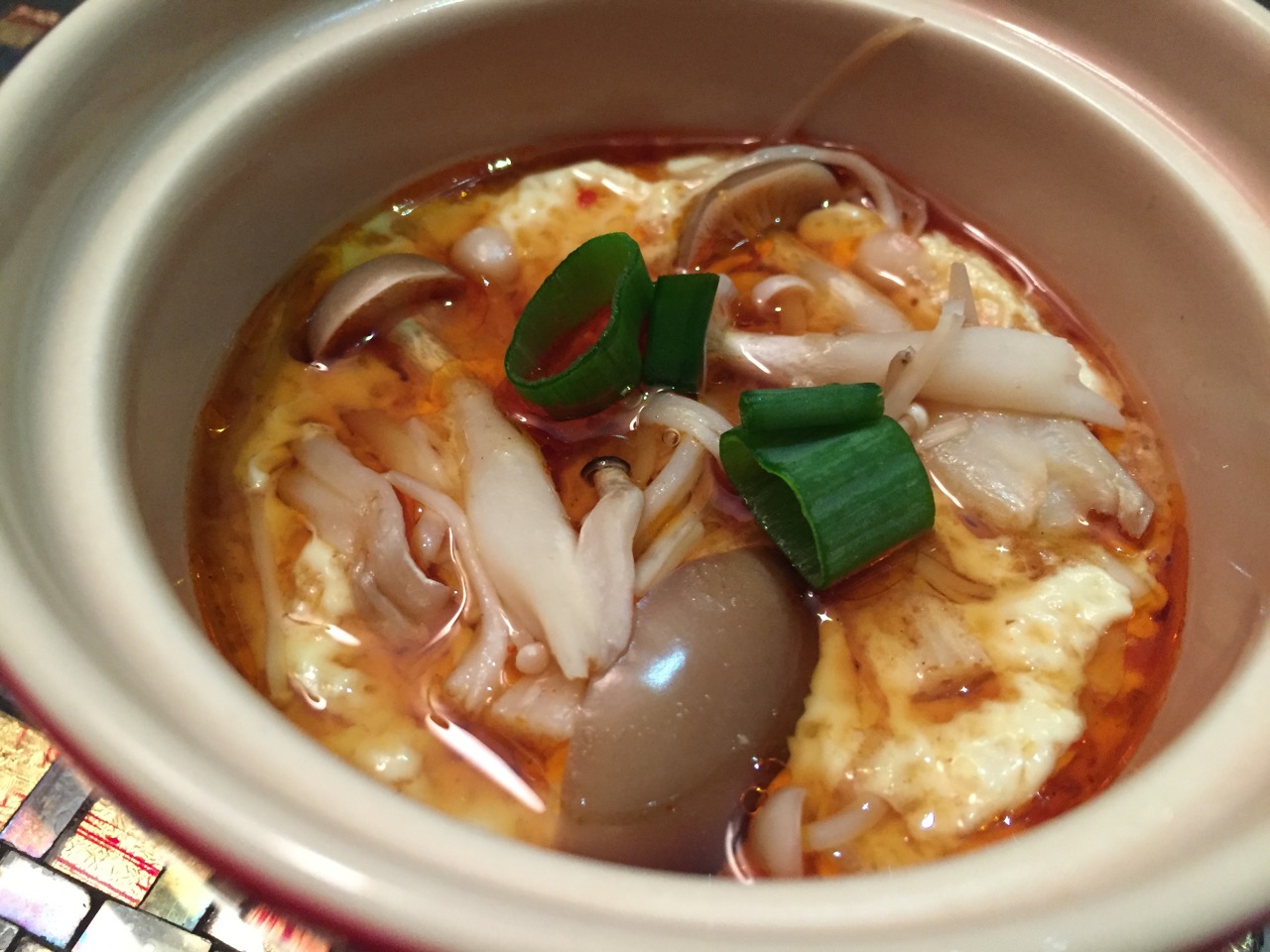
We finally used our new ramekins! This recipe involves eggs mixed with seasoned chicken broth (or vegetarian broth, if making vegetarian) that is poured over a mix of delicate mushrooms (here, bunashimeji (brown beech) and enoki mushrooms) and then steamed in a Chinese steamer for about 15 mins. Here, we used a mix of Chinese sa-cha sauce and Korean beef boullion powder (sogogi dashida) in lieu of the chicken broth. Just before serving, garnish with scallions and pour a savory sauce (soy sauce, rice vinegar, sesame oil, chili oil, and a little water) overtop. Recipe from Harumi’s Japanese Home Cooking: Simple, Elegant Recipes for Contemporary Tastes https://www.amazon.com/dp/1557885206/ref=cm_sw_r_sms_api_vBrqxb6C97VS2
I also found the recipe online here: http://kahakaikitchen.blogspot.com/2011/01/kinoko-no-chawan-mushi-savory-steamed.html?m=1 (Apr. 2015)
-
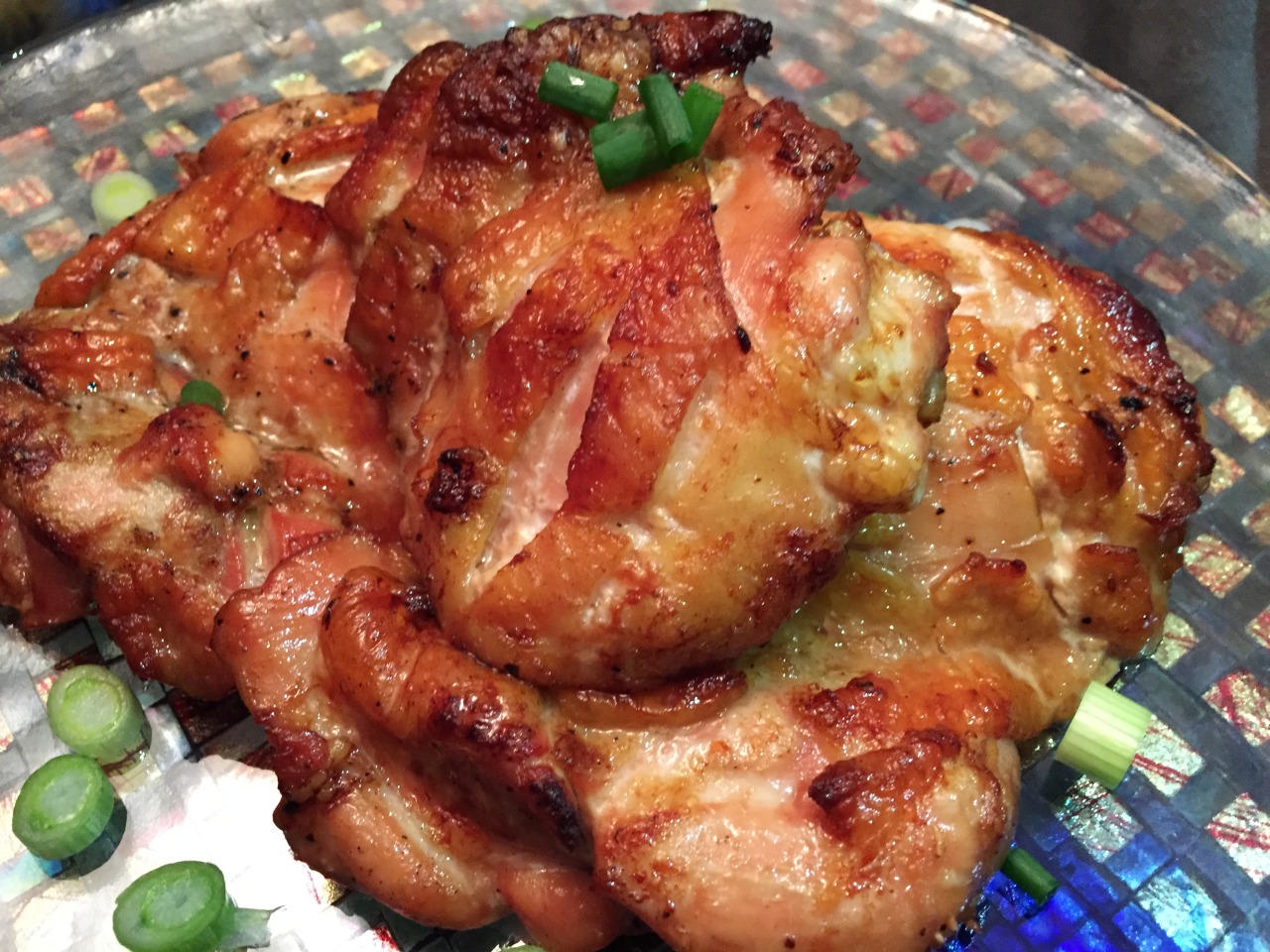
Marinate 1.5 lbs of chicken thighs (bone removed, skin lightly scored) in 1 Tbsp each sherry and light soy sauce, ½ Tbsp sesame oil, 1 tsp minced garlic, and some freshly ground black pepper. After 15 minutes, bake in a preheated 425 oven, skin side up, for 20 minutes (warning: at this point, our smoke alarm went off due to the amount of fat burning at high temperatures). Brush skin lightly with sesame oil (about 1 Tbsp), then bake for another 10 minutes, then serve immediately. This recipe is from Harumi’s Japanese Home Cooking cookbook. (Apr. 2015)
-
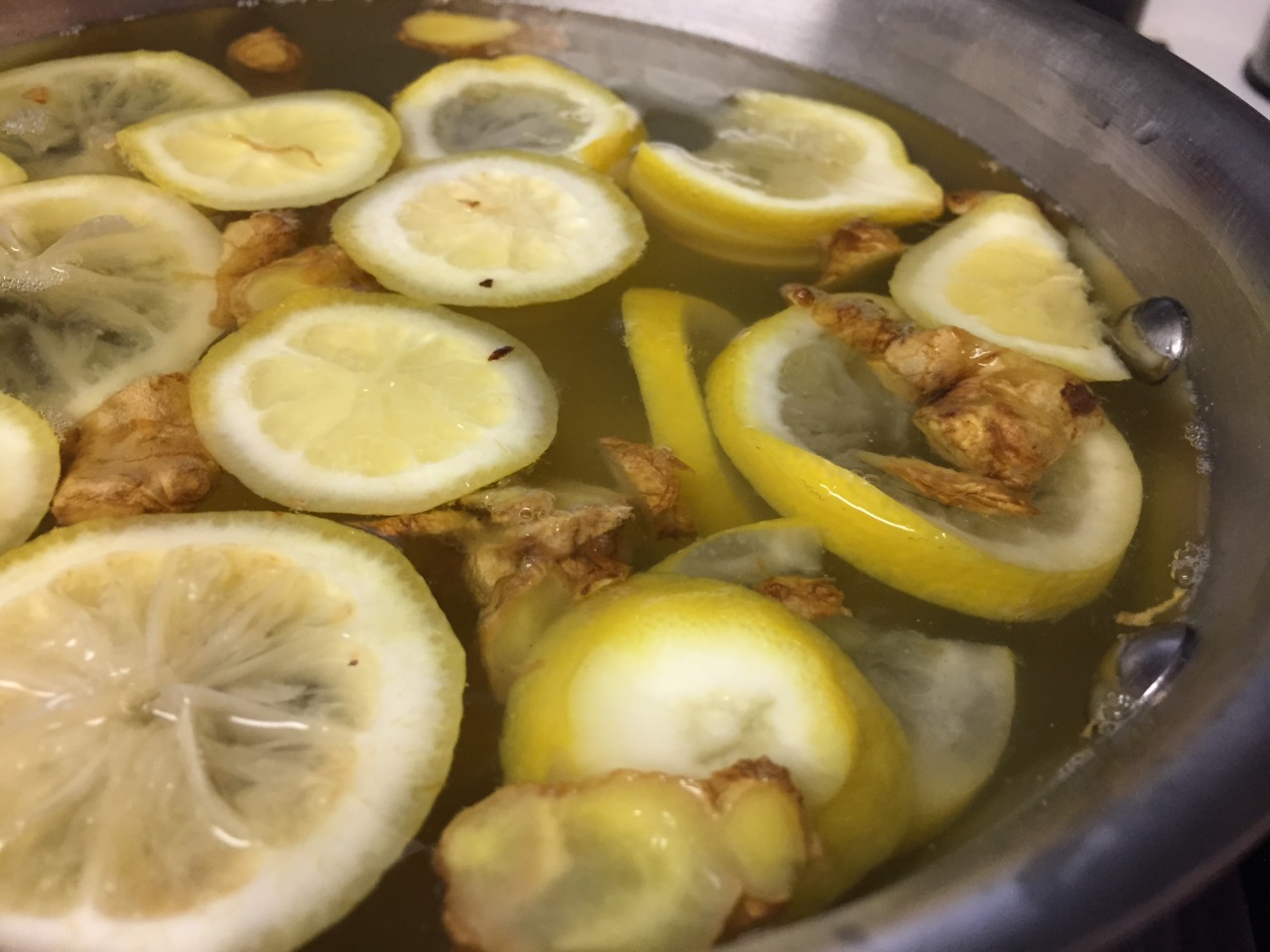
Another recipe from WebMD that has helped my sore throat. You just need 4 lemons, a handful of fresh ginger, hot water, and some honey. I recommend using at least 10 cups water to make sure the drink is not too acidic. Recipe here: http://www.m.webmd.com/cold-and-flu/cold-guide/chicken_soup_and_recipes_for_cold (Apr. 2015)
-
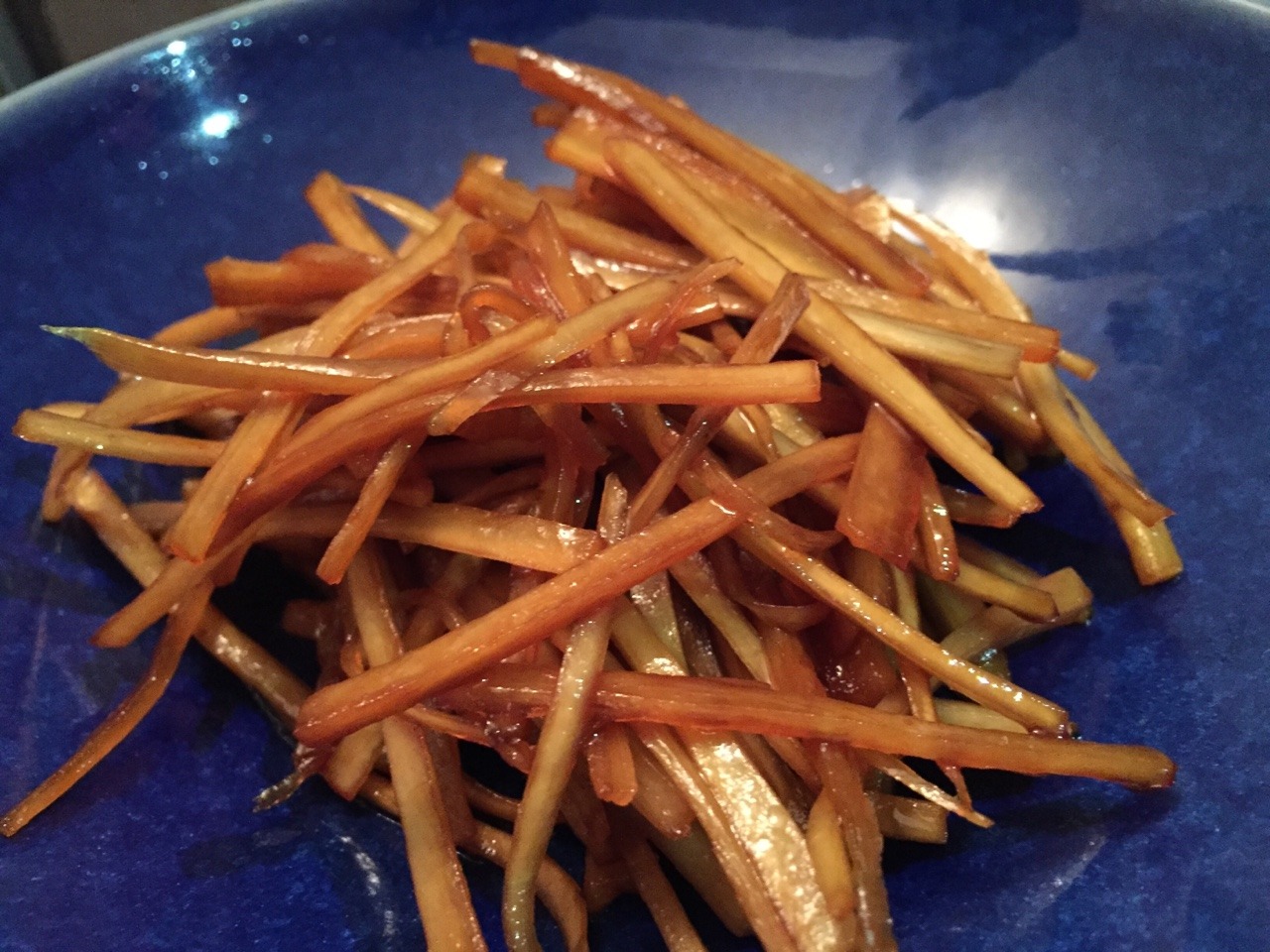
The sauce has mirin, soy, sake, and superfine sugar. This dish is tasty, but peeling and julienning the burdock root was time-consuming. Recipe from Harumi’s Japanese Home Cooking: Simple, Elegant Recipes for Contemporary Tastes cookbook, available at https://www.amazon.com/dp/1557885206/ref=cm_sw_r_sms_api_Kd9mxbMVKKNVD (Apr. 2015)
-
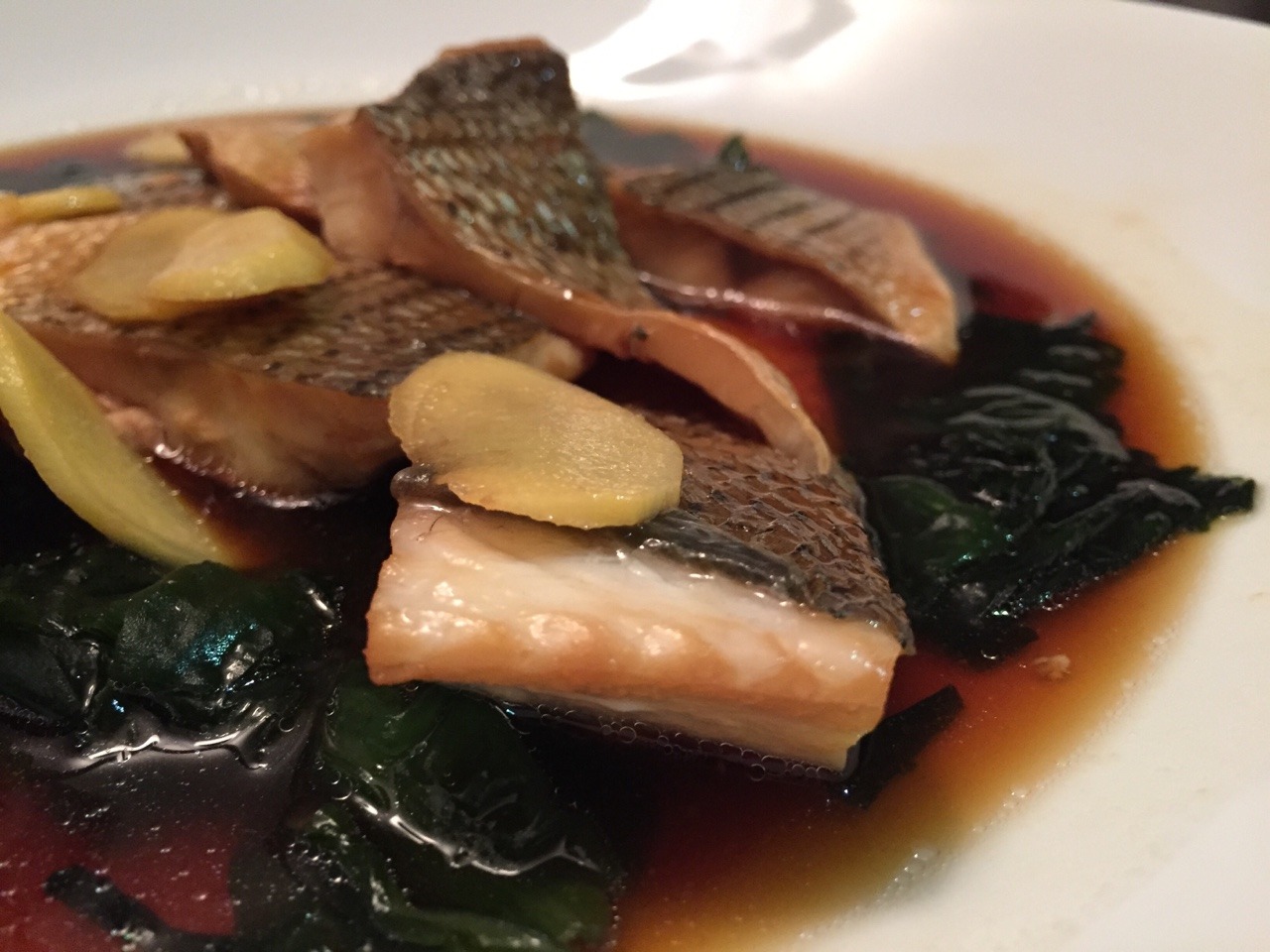
Fish fillets gently poached in sake, mirin, soy sauce, and water with superfine sugar and ginger, served with wakame. Recipe from Harumi’s Japanese Home Cooking, a cookbook we found in Japantown, San Francisco. (Apr. 2015)
-
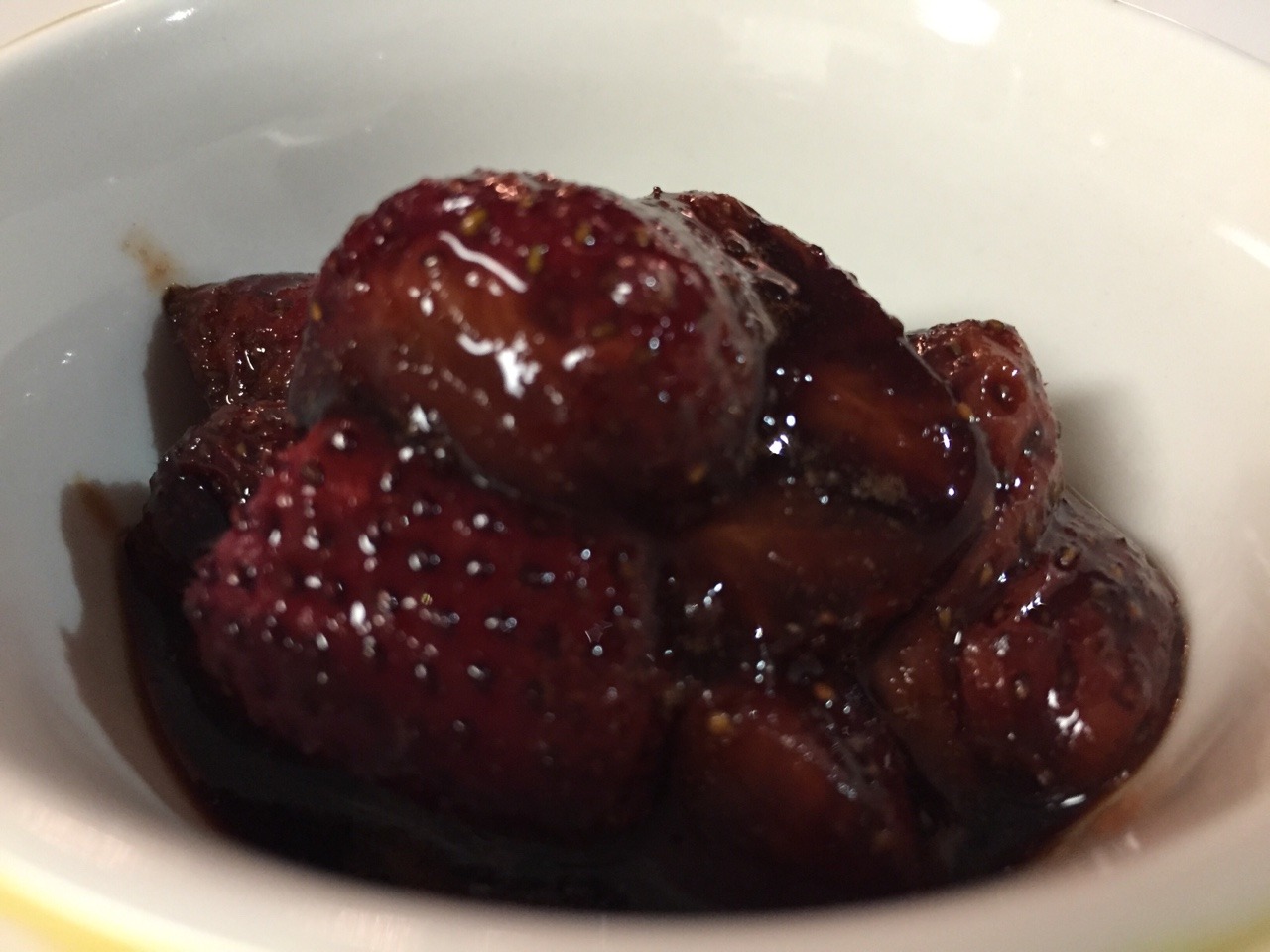
Preheat oven to 350. Wash and trim 1 lb strawberries, cutting into halves or quarters. Place in a 9×12 baking dish, then add 1 ½ Tbsp sugar and 4 Tbsp good quality balsamic vinegar (we use 3 parts traditional balsamic and 1 part cranberry and pear white balsamic vinegar). Bake for 45 mins, stirring once. The goal is for the thin sauce to reduce to a thicker syrup. Serve on its own, over ice cream, or with goat cheese and crackers. Recipe is here: http://www.garnishwithlemon.com/balsamic-roasted-strawberries/ (Apr. 2015)Variation 1: 2 Tbsp sugar and 3 Tbsp balsamic vinegar (2 parts balsamic and 1 part cranberry and pear white balsamic) for a more balanced flavor.Variation 2: Cut off the stems and leaves, but otherwise leave the strawberries whole. Place, cut side down, in an 8×8 baking dish; 1 lb should comfortably fill the dish in single file. Drizzle with 2 Tbsp maple-infused balsamic (which is viscous) and 2 Tbsp regular dark balsamic (which is thin and runny). Cover the baking dish with foil (to seal in the heat and flavors), place on a foil-lined baking sheet (in case of spills, which we learned the hard way), and roast at 350 for 45 mins. (May 2020)
-
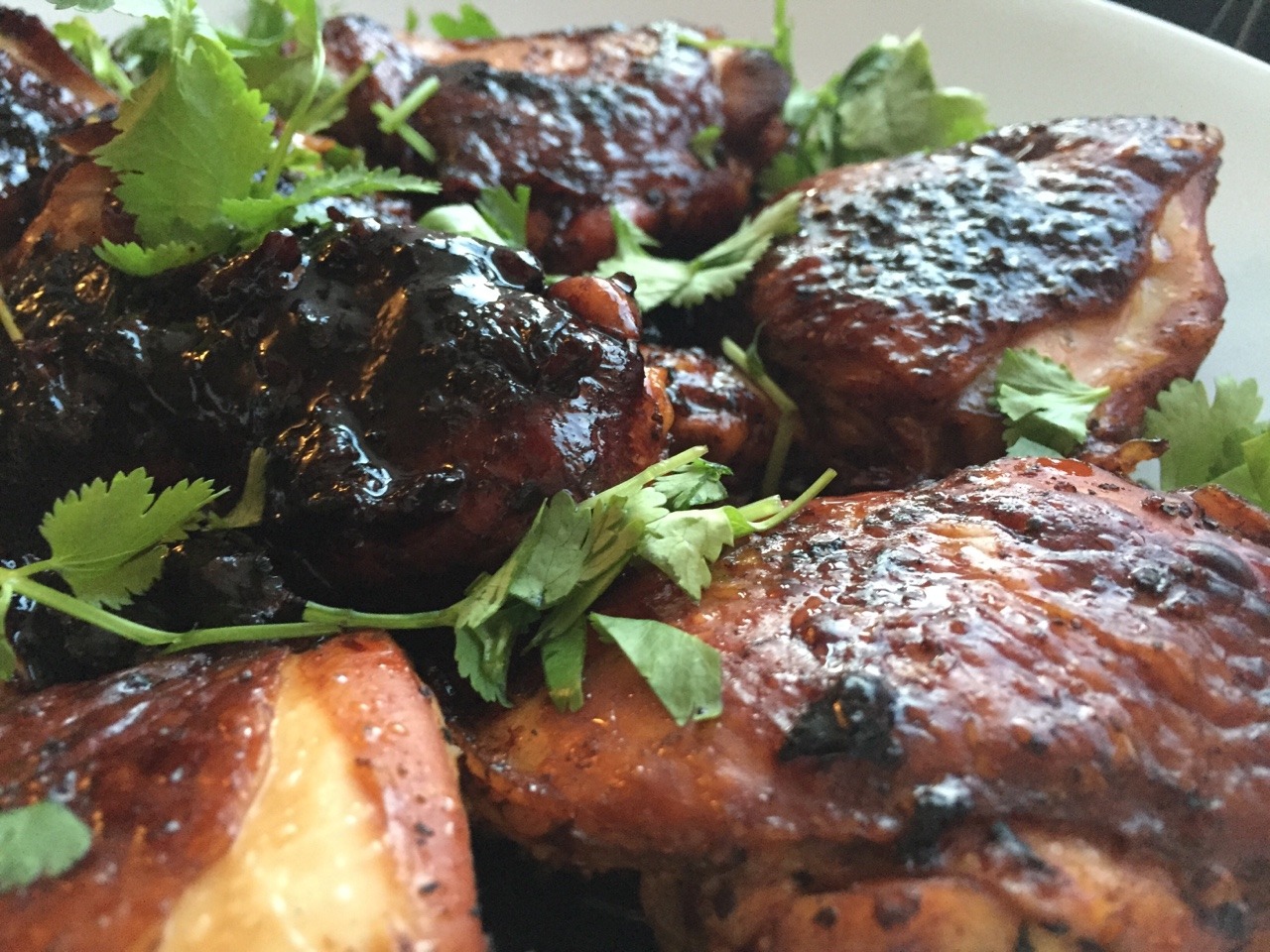
Four ingredients (chicken, dark soy, black pepper, and cilantro) create a delicious meal. Combine 2 Tbsp dark soy and 1 Tbsp black pepper in a wide sauté pan. Place 2 lbs (about 6-7 pieces of skin-on, bone-in chicken thighs, trimmed off excess fat) of chicken thighs in the pan, making sure to get the sauce all over the chicken (and try to get it b/w the skin and flesh, if possible). Once chicken is coated, place each piece skin side down. Cover and cook on medium-low heat until you hear gentle bubbling, then reduce heat to low and cook for an additional 15 mins. Turn the chicken pieces over (so that the skin is on top), then cover and cook on low heat until chicken is fully cooked (about 20-25 mins). Garnish with cilantro and serve with rice. More details and the actual recipe available at http://www.vietworldkitchen.com/blog/2012/12/soy-glazed-black-pepper-chicken-hakka-cookbook.html (Apr. 2015)Note: Dark soy has a lot of sodium, so to make this lower sodium, we have cut the dark soy down to 1 Tbsp and spray the inner pan with some oil to make up for some of the moisture.
Source: Andrea Nguyen, author and teacher, Vietworldkitchen.com.
-
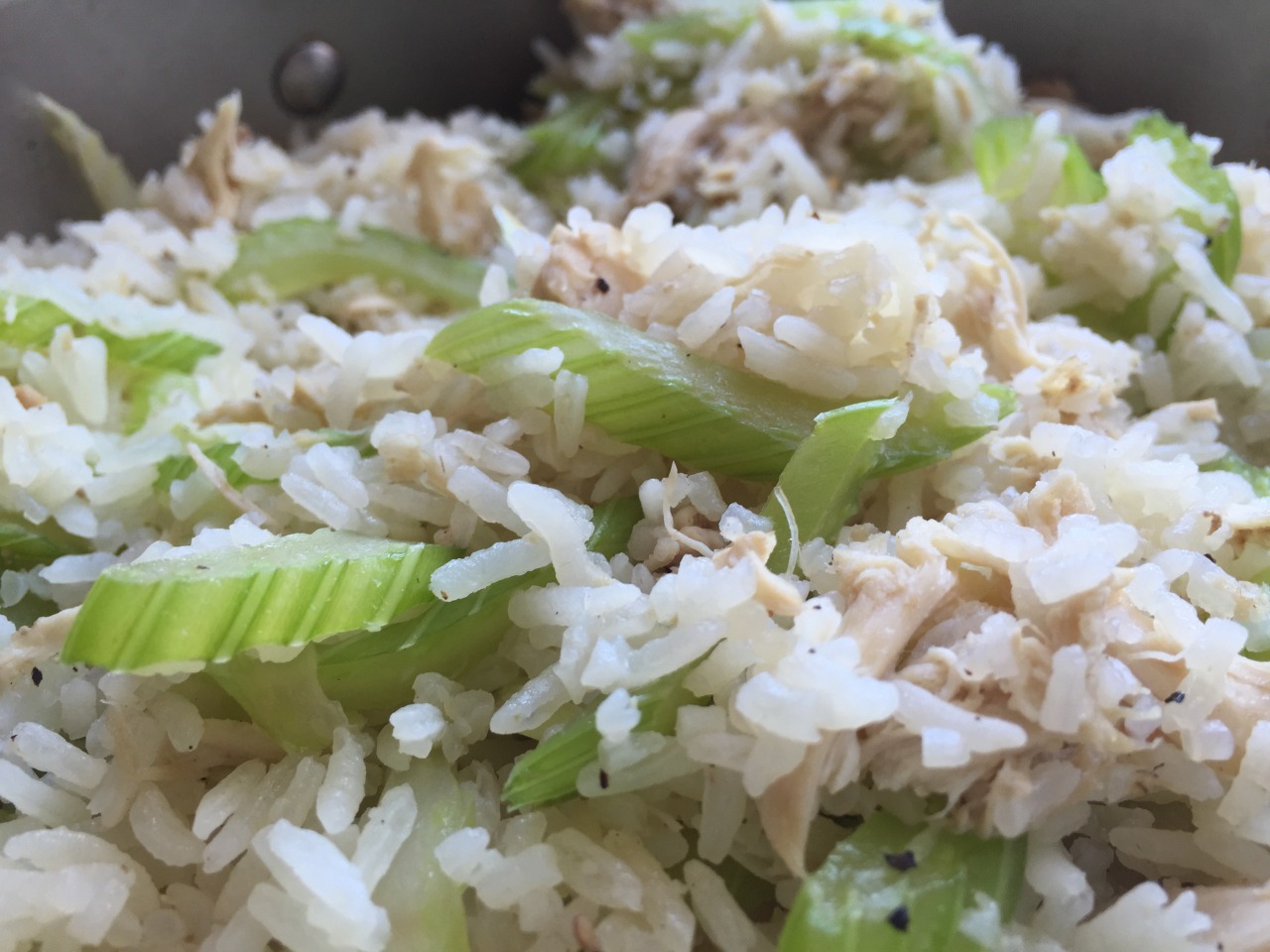
Recipe from Andrea Nguyen, one of my favorite cookbook authors, who shared this soulful dish from her childhood: http://www.vietworldkitchen.com/blog/2015/04/chicken-back-and-celery-rice-recipe-com-ga.html. The chicken fat rendered from the soup permeates every aspect of this dish. Absolutely delicious, although a bit time-consuming (see Note 2 below). She called for fish sauce to taste; we used about 1 ½ tsp total. You should have about 3 cups of unused broth; you can serve on the side, lightly seasoned with salt and black pepper. (Apr. 2015)
Note 1: We generally buy a whole chicken (6 lb), then remove the breasts (so they are boneless) and leg quarters for separate use. We use the back, wings, and rib cage/carcass for the broth. We would not recommend using chicken neck or organ meat such as liver; the neck has tiny bones that are hard to pick out, and the organ meat will cloud and change the flavor of the broth. Alternatively, you could use three bone-in, skin-on chicken thighs (about 1.5 lb).
Note 2: Andrea Nguyen’s chicken broth takes 1 ½-2 hours on the stove top. If you cook it on the stovetop, make sure to simmer on low heat; I once simmered at medium heat and ended up with only 2 ¼ cups broth, including fat. So I had to use vegetable oil to sauté the rice and the celery, which was not ideal. For a short cut, I tried using a pressure cooker loosely following these directions: http://www.hippressurecooking.com/pressure-cooked-chicken-broth-lesson-6-making-chicken-stock-in-the-pressure-cooker/. It cut the broth-making time to about 45 mins.
Note 3: We found the last step of Andrea Nguyen’s recipe superfluous, so here is what we did instead: After cooking the rice for 10 mins, turn off the heat and add the chicken/celery mixture on top, cover, and let sit on the still-warm burner for 10 mins undisturbed. Fluff mixture with a fork, adding a Tbsp or so of broth if the rice mixture is too dry. Serve immediately (skip the last 10 mins of sitting covered).
Source: Andrea Nguyen, author and teacher, Vietworldkitchen.com.
-
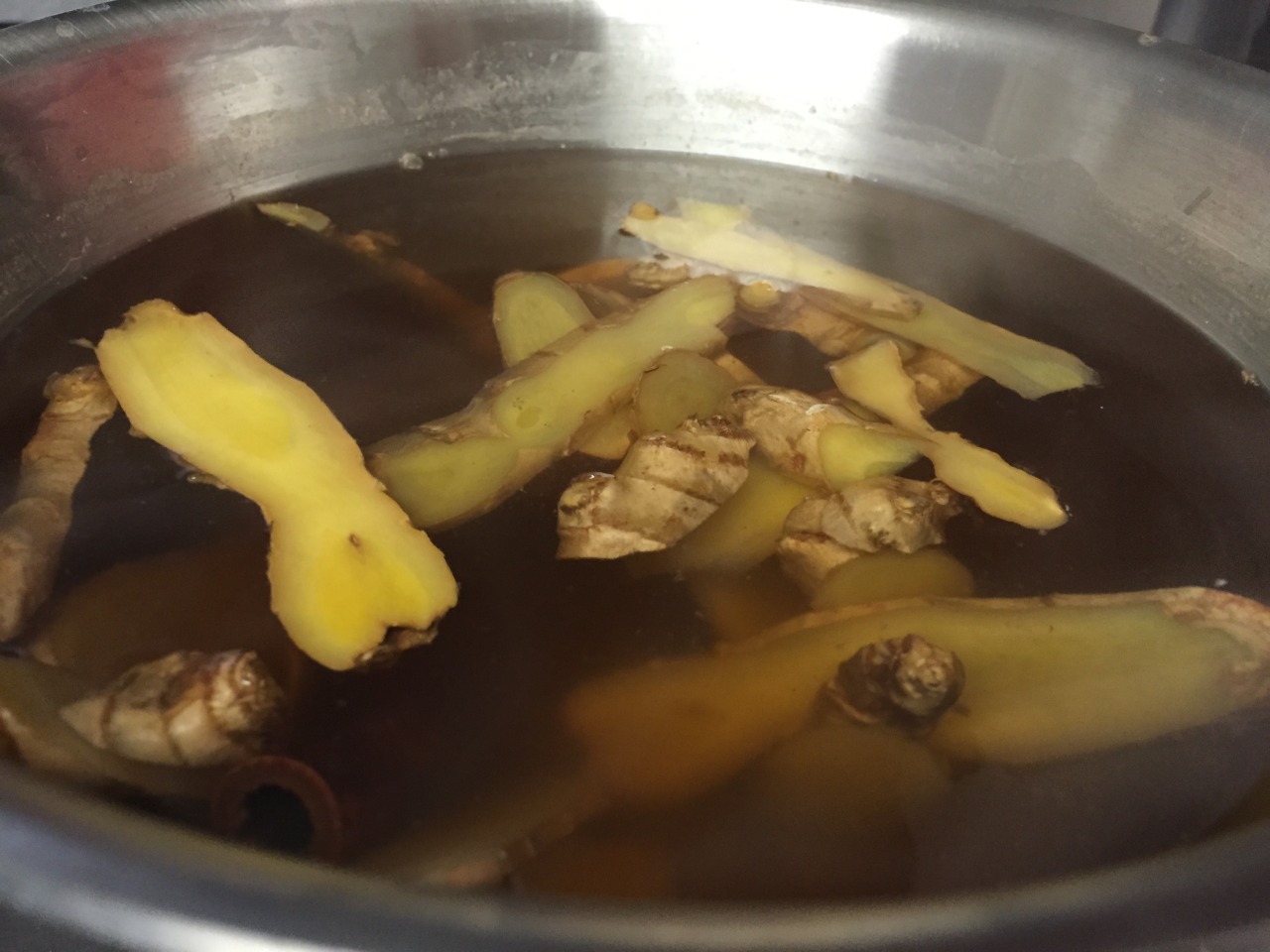
I was amazed to find this recipe on WebMD: Combine ½ cup thinly sliced fresh ginger, 6 cups water, and 2 cinnamon sticks in a saucepan, then simmer for 20 minutes (or longer for a stronger tea). Add 2 tablespoons honey or brown sugar, strain, and serve. http://www.m.webmd.com/cold-and-flu/cold-guide/chicken_soup_and_recipes_for_cold
-
Subscribe
Subscribed
Have a WordPress.com account? Log in now.

