-
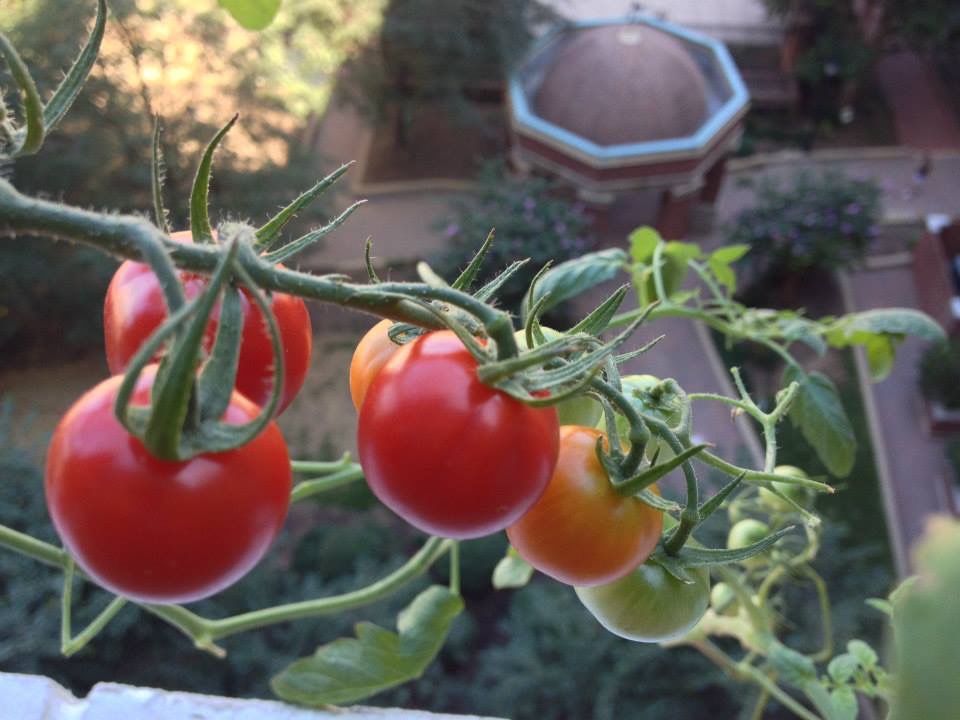
I cook as a hobby, and I maintain this blog primarily to keep track of recipes that my family has enjoyed over the years. I started blogging back in 2015, in response to requests from friends for recipes they had seen me post on Facebook (but that I couldn’t easily catalog). My original blog was on another platform that became less user-friendly over time. I migrated my blog to WordPress earlier this year, and I’ve spent more time than expected reformatting the migrated posts.
This blog is and always will be a work in progress. For example, I currently provide Tags for posts, but I have not coded for Categories. I also generally try to share the recipes themselves in my posts, but in cases where the recipe is not available online, I try to identify the source (e.g., the cookbook title and author) as needed. In some cases, such as where a family has shared their recipe with me but hasn’t authorized me to share it widely, I post a photo of the dish with that proviso.
I recently added a Search widget to this blog. On the desktop version, the Search bar appears prominently on the left hand side. But for some reason, it is hidden on the mobile app. If you’re on your phone, tap on the SHOW tab at the top left of the home page. That will reveal another screen with the Search bar.
I hope you enjoy exploring my blog and find some recipes to try.
-

We followed this Nigella Lawson recipe for Cold Cure Soup: https://cooking.nytimes.com/recipes/11994-cold-cure-soup Our modifications: first, we converted this 1.5 hour stovetop recipe into a 40 min pressure cooker recipe. This is how: place 3 lb chicken wings, 1 lb skinless boneless chicken breasts (about 2, which are not part of Nigella’s recipe), one 3-inch peeled fresh ginger knob, the juice and zest from one navel orange and one lime, a large cinnamon stick, and 2 tsp Kosher salt (reduced from 1.5 Tbsp) in the bottom of a pressure cooker. Add enough water to cover but made sure not to exceed the “2/3 level max” level marked inside the pressure cooker pot; for us, this resulted in 2.5 quarts (10 cups) rather than 3 quarts of water (12 cups) being added. Second, after locking the pressure cooker, cook on medium-high heat until it hits high pressure (3 rings on my Splendid pressure cooker), and then maintain that high pressure for 17-19 mins. Third, turn off heat and move pressure cooker to a cold burner and follow the natural release method (about 10 mins). Fourth, remove lid, then remove chicken and aromatics from the broth. Shred the chicken meat, discarding bones and skin (if you want to add noodles, see Note). Return meat to pot, season to taste (we added about 2 tsp black pepper), and serve, garnishing each serving with sliced jalapeño. (Apr. 2019)
Note: This is not part of the original recipe, but while shredding the chicken, you can add uncooked pasta (such as egg noodles) to the broth and cook until al dente. And then fold the cooked chicken once the pasta is done. We found that 4 oz (¼ lb) uncooked egg noodles worked well with 10 cups of broth.
-

We tried this recipe at home after my MIL made it: https://www.bostonglobe.com/lifestyle/food-dining/2019/04/08/bubbe-brisket-cooks-long-and-slow-night-before-seder/zFPWgIatlTOvJiJbaisyQI/story.html Our modifications: first, we ground up 2 tsp black peppercorns, 2 tsp kosher salt, and 2 cloves and used it as a dry rub on the brisket prior to searing it. Second, we used an Italian brand of white wine vinegar, but a Spanish sherry vinegar (which my MIL used) would be even better. Third, we used a large Dutch oven with a fitted lid to ensure moisture would lock in. Fourth, just before placing the covered Dutch oven in the oven at 325, we added 2 lb (about 10) small Yukon potatoes, trying to submerge them under the liquid. An hour later, we added 1 lb peeled, trimmed carrots to the pot, submerging where possible. Because our 4 lb brisket was about 3 inches thick, it took about 5 ½ hours to become fork-tender. At the end of cooking, we added a bit of salt to taste (about 2 tsp) and drizzled about 2 tsp white balsamic pomegranate-quince vinegar for fruitiness (to supplement the white wine vinegar, which is less fruity than sherry vinegar). We served immediately, removing the fat cap before slicing; however, that led the meat to fall apart, so the next time, we might keep the fat cap on while slicing crosswise, allowing each diner to remove the fat from his or her serving. (Apr. 2019)
-

This was a good use of 1.5 cups leftover roasted brussel sprouts (http://piglettedc.tumblr.com/post/180053950436/oven-roasted-brussel-sprouts-we-followed-this). Roughly chop the roasted brussel sprouts, then saute them on medium heat for a minute in a little olive oil in a large nonstick pan. Reduce heat to low-medium, then add egg whites from 5 eggs, lightly mixed, pouring evenly over the brussel sprout mixture. Allow egg whites to set, maneuvering the pan so that the liquid spreads evenly (you may want to drizzle a little olive oil around the outer edge of the egg so it won’t stick to the pan). When the egg mixture has set, gently fold the omelette in half, allowing to brown and crisp (1-2 mins on medium heat). Turn over and brown the second side (1 min). Separately, toast sliced crusty bread (we like Whole Foods’ pain de campagne). Lightly butter one side of the toast. Cut the folded omelette into three wide pieces (two rounded triangles and a rectangle). Place one of the triangle omelette pieces on top of the toast (buttered side) and serve. (Apr. 2019)
-

Details here: https://cooking.nytimes.com/recipes/1019789-spicy-slow-roasted-salmon-with-cucumbers-and-feta We skipped the feta and cucumber. (Apr. 2019)
-

Details here: https://cooking.nytimes.com/recipes/6500-chicken-thighs-with-cumin-cayenne-and-citrus We used 2 lb skinless, bone-in chicken thighs that we lightly scored. We reduced the cayenne to ¼ tsp and used the juice of two limes (which probably exceeded 2 Tbsp). We oven-roasted at 425 for 1 hour and served with oven-roasted broccolini, recipe here: http://piglettedc.tumblr.com/post/177041048526/oven-roasted-broccolini-preheat-the-oven-at-450. We used a foil-lined baking sheet and an oiled rack. Midway through cooking, we had to switch out the foil due to burned marinade smoking on the original foil. (Apr. 2019)
-

Place 1 medium chicken (about 3.75 lb) in the bottom of a large pressure cooker. Slice about 2 “hands” of fresh, skin-on ginger (about ½ lb) into ½ inch slices, and toss them into the pressure cooker, then add water to cover chicken, taking care to stay below the “max fill” line of the pressure cooker bottom. Lock and seak the lid, then heat until you reach high pressure (three rings on the Splendid pressure cooker). Then cook on high pressure for 17-19 mins. At the end of cooking time, move the pressure cooker off the hot burner and follow the natural release method (about 10 mins). Remove the chicken from pot, then shred the meat, discarding skin and bones. Return the meat to the pressure cooker pot. You probably will need to add more liquid – 4-6 cups of premade chicken broth (we often use store-bought unsalted chicken broth) – to have the right chicken-to-liquid ratio.
To make the congee, ladle out about 4 cups of the soup (including shredded chicken and ginger) to a smaller pot. Bring to a boil, add ½ cup uncooked rice, then cover and reduce to a simmer until rice is tender (about 15 mins). Serve with fresh lime and fish sauce. (Mar. 2019)
-

Details here: https://www.myrecipes.com/recipe/baked-flounder-with-fresh-lemon-pepper We used 2 lb fluke fillets and found it took 12 mins to fully cook. (Mar. 2019)
-

We tried this recipe: http://chocolatewithgrace.com/homemade-blueberry-pie-filling/
The recipe called for 2 cups frozen or fresh blueberries. Because we had 2 ½ cups frozen blueberries on hand, we increased the other ingredients by 25%: 2 ½ Tbsp (2 Tbsp plus 1 ½ tsp) cornstarch, 5/8 cup (½ cup plus 2 Tbsp, but we reduced by 1 Tbsp) each sugar and water. For the lemon juice, we increased from 1 tsp to ½ lemon (about 1 Tbsp). We also used vanilla-infused sugar instead of plain white sugar. Before the mixture came to a boil, we wondered how this recipe would come together. But we kept stirring on medium heat, and as soon as the cornstarch dissolved, the whitish-purple hue disappeared and it quickly thickened into a luscious texture. This took about 5 mins on the stovetop. We removed the pot from the stovetop and let it cool for about 30-45 mins on a trivet.
We used the blueberry pie filling as topping for cheese cake tarts: http://piglettedc.tumblr.com/post/114621438011/cheesecake-tarts-using-an-electric-mixer-beat (Mar. 2019)
-

We tried this recipe: https://cooking.nytimes.com/recipes/1013593-turkey-ragu Our modifications: first, in lieu of pancetta, we used 4 slices of precooked bacon, cut into matchsticks. Second, we doubled the recipe, using 1 1/3 minced turkey (which was the size we had) and 1 lb minced beef. We doubled the amount of onion, garlic, celery, and carrot, and minced it in a handheld mixer. Third, for the 29 oz crushed tomatoes, we had only 28 oz canned. To supplement, we added 1 medium tomato that we minced in the handheld mixer. We doubled the proportions of all remaining ingredients, but we omitted the ricotta cheese. To add some heat, we used about 1 tsp crushed red pepper. After stirring in the unsalted butter (we used 4 Tbsp), we added the following for balance: a splash each of apple cider vinegar, pomegranate-quince white balsamic vinegar, balsamic vinegar, and 1 tsp sugar. We garnished with ½ tsp parmesan cheese. (Mar. 2019)
-

We tried this stirfry by Fuschia Dunlop: https://www.splendidtable.org/recipes/gong-bao-chicken-with-peanuts We converted the metric measurements as follows: 3 oz roasted peanuts = 1/3 cup (mounded) and 1.5 cm cubed chicken = ½” cubed. The recipe called for 1 tsp whole Sichuan peppercorns, which we found jarring to bite (similar to star anise). The next time, we will grind them instead. We found peanut oil, with its high smoking point, better suited than other oils for this stirfry. We also found this recipe took about an hour to prep and execute, so it was on the longer side of a quick meal (Mar. 2019)
Note: we had raw red skinned peanuts. We roasted them on a foil-lined tray in our toaster oven at 250 degrees for 15 mins, then increased the temperature to 300 and roasted for another 5 mins. When the peanuts slightly cooled, we gently removed the skins and then set aside the roasted peanuts.
-
Subscribe
Subscribed
Have a WordPress.com account? Log in now.

