-
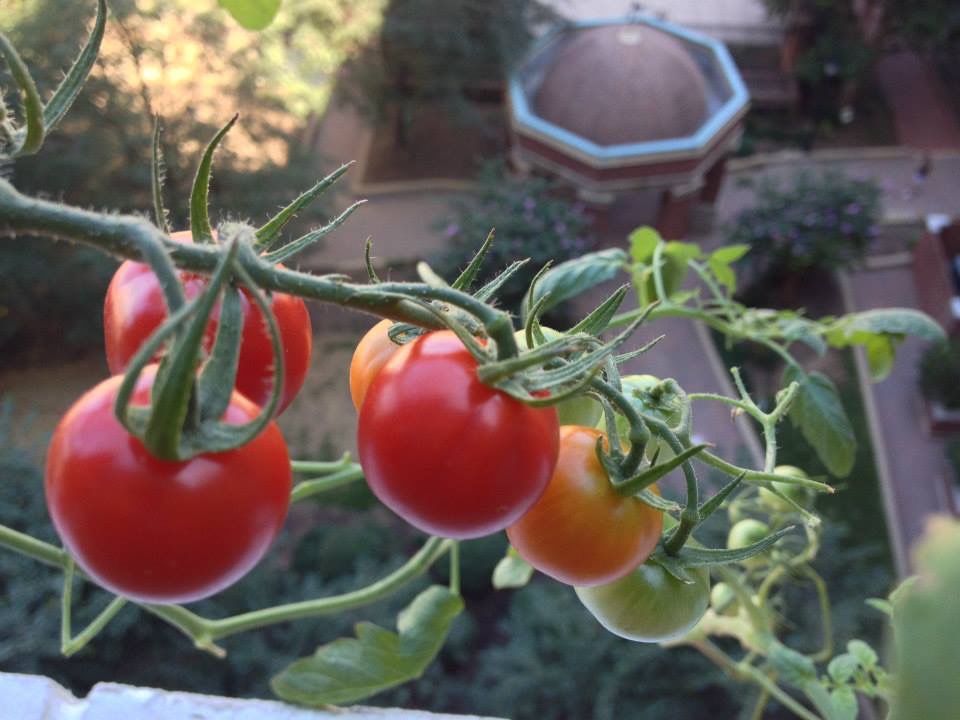
I cook as a hobby, and I maintain this blog primarily to keep track of recipes that my family has enjoyed over the years. I started blogging back in 2015, in response to requests from friends for recipes they had seen me post on Facebook (but that I couldn’t easily catalog). My original blog was on another platform that became less user-friendly over time. I migrated my blog to WordPress earlier this year, and I’ve spent more time than expected reformatting the migrated posts.
This blog is and always will be a work in progress. For example, I currently provide Tags for posts, but I have not coded for Categories. I also generally try to share the recipes themselves in my posts, but in cases where the recipe is not available online, I try to identify the source (e.g., the cookbook title and author) as needed. In some cases, such as where a family has shared their recipe with me but hasn’t authorized me to share it widely, I post a photo of the dish with that proviso.
I recently added a Search widget to this blog. On the desktop version, the Search bar appears prominently on the left hand side. But for some reason, it is hidden on the mobile app. If you’re on your phone, tap on the SHOW tab at the top left of the home page. That will reveal another screen with the Search bar.
I hope you enjoy exploring my blog and find some recipes to try.
-

I saved all of the seeds from our recent acorn squash dishes, making sure they were removed from membranes and as dry as possible (I let them air-dry overnight and then set at 200 in the toaster oven for about 10 minutes). Toss the dried acorn squash seeds (equivalent to the seeds from one whole acorn squash) with about ½ to ¾ tsp curry powder (I used Jamaican curry), a dash of salt, and a little olive oil to lightly coat. When the seeds are well mixed, toast at 250 in toaster oven for a few minutes, keeping a close eye on them to make sure they don’t burn. I had followed the instructions for a conventional oven (300 degrees for 10 minutes) and almost burned this batch. (Nov. 2013)
-
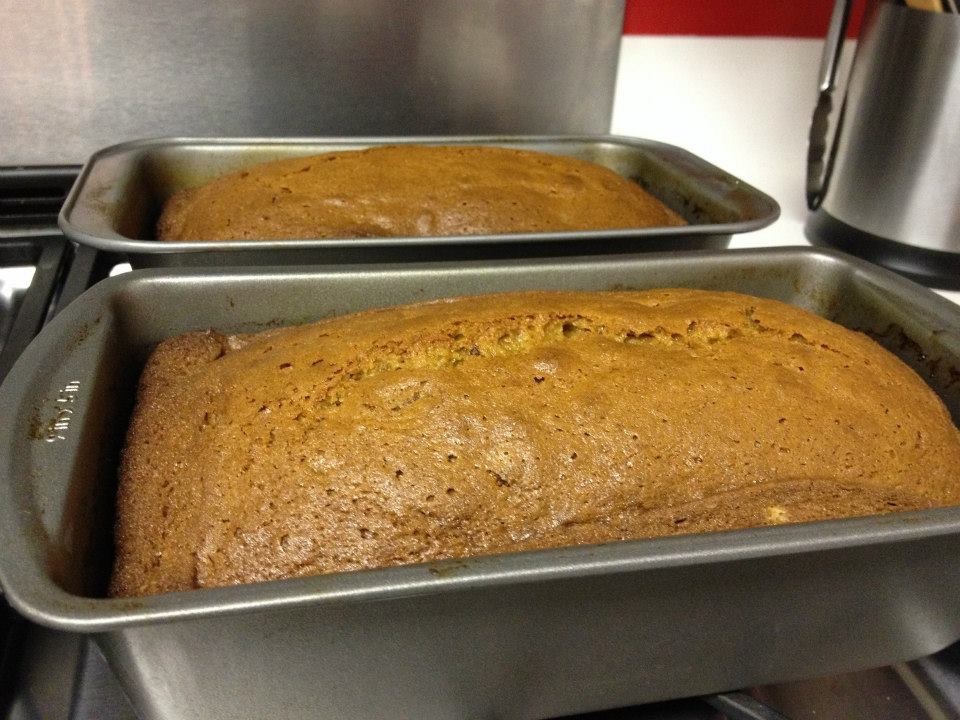
Preheat oven to 350. Combine 3 cups sugar, 1 cup neutral vegetable oil, 4 eggs, 1 ½ tsp cinnamon, ½ tsp ginger, ½ tsp allspice, ¼ tsp nutmeg, 1/8 tsp cloves, and 1 tsp salt. When well-mixed, use an electric blender to fold in 1 cup canned pumpkin, 2/3 cup water, 2 tsp baking soda, and 3 cups flour. When batter is cohesive, add 1 cup each walnut and pecan pieces. Grease two loaf pans, then pour in the batter 2/3 full. Bake until knife comes out clean (about 1 hour 5 mins). For my fellow CHS classmates, this recipe is from Phil Tasca’s mother. (Nov. 2013)
-
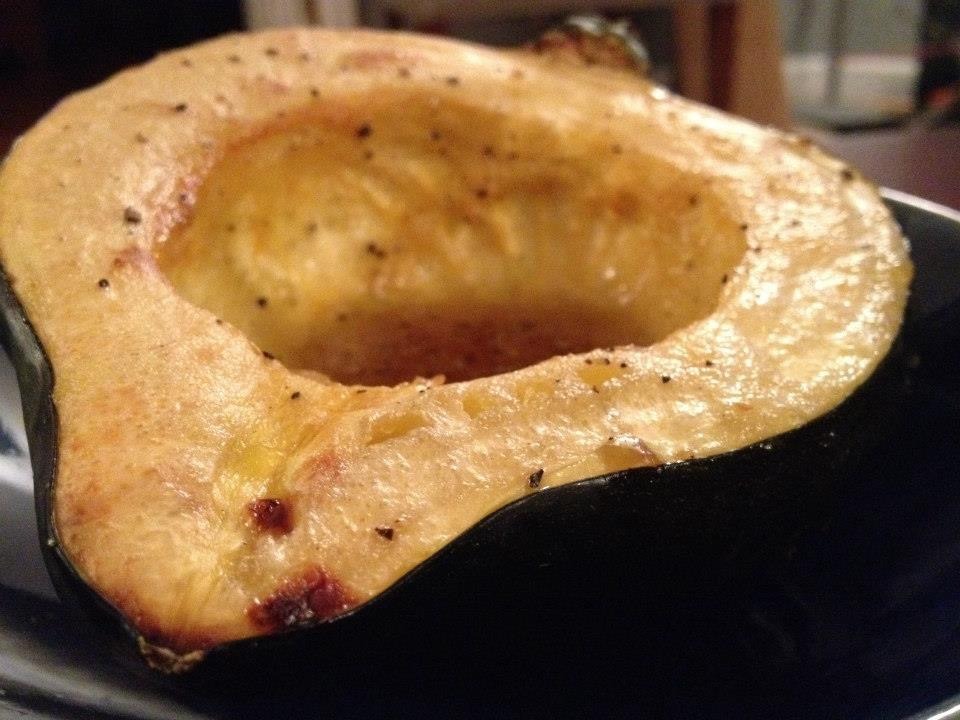
Preheat oven to 425. Clean, halve, and remove seeds from 2 acorn squash. Place acorn halves on a cookie sheet, cut side up. Separately, mix 2 Tbsp each brown sugar, maple syrup, and olive oil. Spoon the mixture onto the cut portion of each squash half (the mixture likely will pool in the hollow). Bake until
tender (about 45 minutes). This recipe is from The Neelys and available on Food Network. (Nov. 2013) -
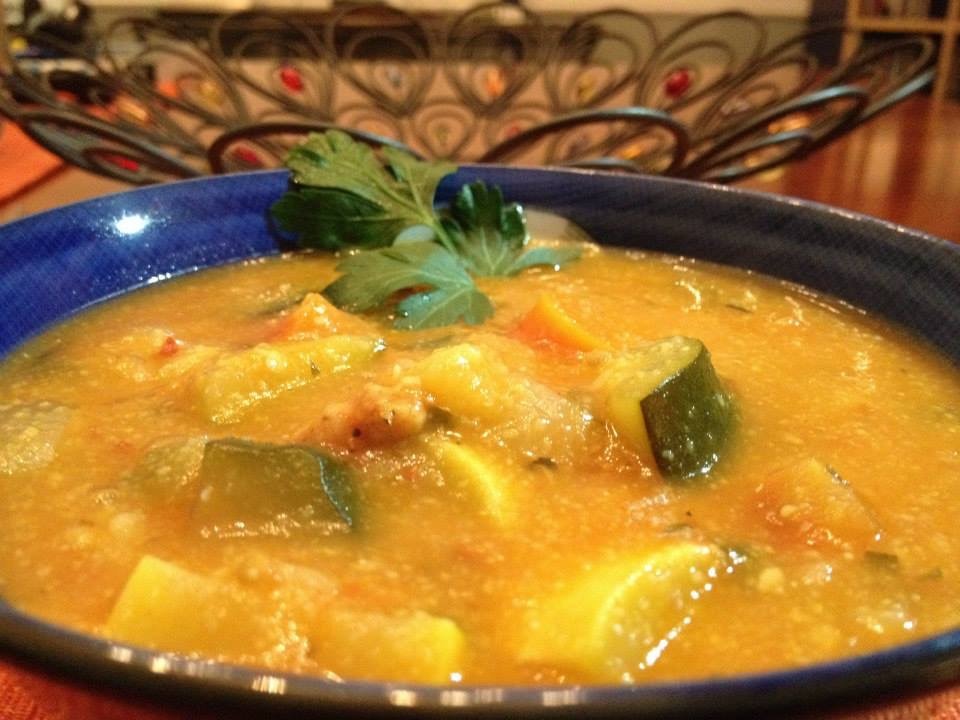
Saute 2 hot Italian chicken sausages (casings removed) with some olive oil in a large Dutch oven, breaking up into pieces. When sausage is browned, remove and set aside. Using the same pot, add 2 onions (chopped), minced garlic, several sprigs thyme, 4 sage leaves (julienned), and 2 carrots (chopped). Season with a little salt and black pepper. When wilted, add chopped chunky vegetables (2 summer squash, 2 zucchini, and 3 tomatoes). When partially cooked, add 6 cups low-sodium chicken broth, then stir in cooked sausage pieces. Season to taste (here, I added extra thyme, a dash of marash and crushed red pepper, 4 fresh marjoram sprigs (leaves only), and 2 Tbsp tomato paste). Bring to a boil, then add ½ cup polenta (here, corn meal). Reduce heat and cover until veggies and cornmeal are fully cooked (about 16 minutes). Add 3 Tbsp unsalted butter to round out the flavor (personally, I think
you can skip the butter, but we tried it this time). This recipe is loosely based on Rustic Vegetable and Polenta Soup by Giada de Laurentiis, with substantial modifications (addition of sausage, thyme, sage, tomato paste, marjoram, crushed red pepper, and marash). (Nov. 2013) -
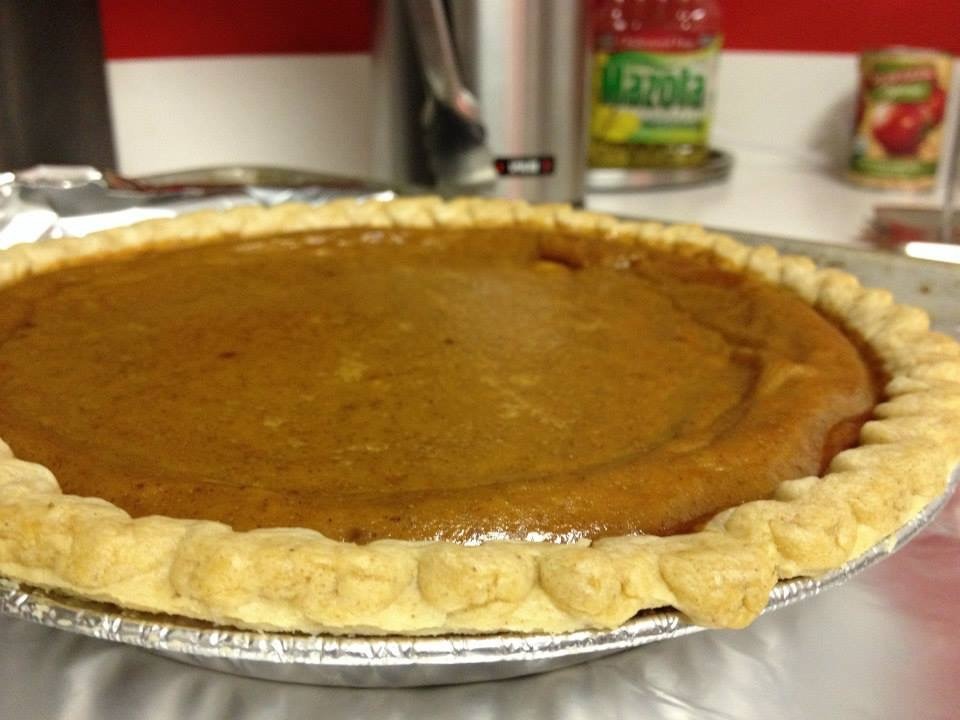
I’m not much of a baker, but my husband loves pumpkin pie, so I decided to try out a recipe. I used a pre-made crust as a shortcut. Preheat oven to 425. Combine ¾ cup brown sugar, 1 ½ tsp cinnamon, ½ tsp each ginger and allspice, ¼ tsp nutmeg, ¼ tsp salt, and 1/8 tsp ground cloves. Add 12 oz of evaporated non-fat milk, then whisk in 3 large egg whites and 1 large egg. Once blended, stir in 15 oz unsweetened pumpkin puree until smooth. Pour mixture into a pre-made crust (here, I used a frozen one from Whole Foods), then bake on the lowest rack of your oven for 10 minutes. Then lower oven temp to 350 and continue baking for an additional 50 minutes or until almost set (I found the latter hard to gauge). Cool completely on a wire rack. This recipe is from Cooking Light, Classic Pumpkin Pie, with slight modifications (this recipe called for “pumpkin pie spice” without further guidance, so I based the spices on those listed another pumpkin pie recipe). (Nov. 2013)
-

In a wide, high-walled, and heavy skillet, heat ¼ cup olive oil on medium heat. Add one celery stalk (chopped) and sauté until crisp-tender. Fold in one medium eggplant (cubed), and saute until a little wilted (the eggplant will absorb most of the olive oil). Season with a little salt. Then add a chopped, seeded orange bell pepper, and sauté until wilted, followed by a chopped onion. Fold in diced, canned tomatoes (incl. residual tomato liquid) and oregano (I used fresh sweet marjoram). Simmer until flavors meld (15-20 mins), stirring often. Stir in ¼ cup red wine vinegar, 2 tsp sugar, 1 Tbsp drained capers, and a dash each of salt and black pepper. Garnish with fresh parsley, and serve. This recipe is from Everyday Italian by Giada DeLaurentiis. (Nov. 2013)
-
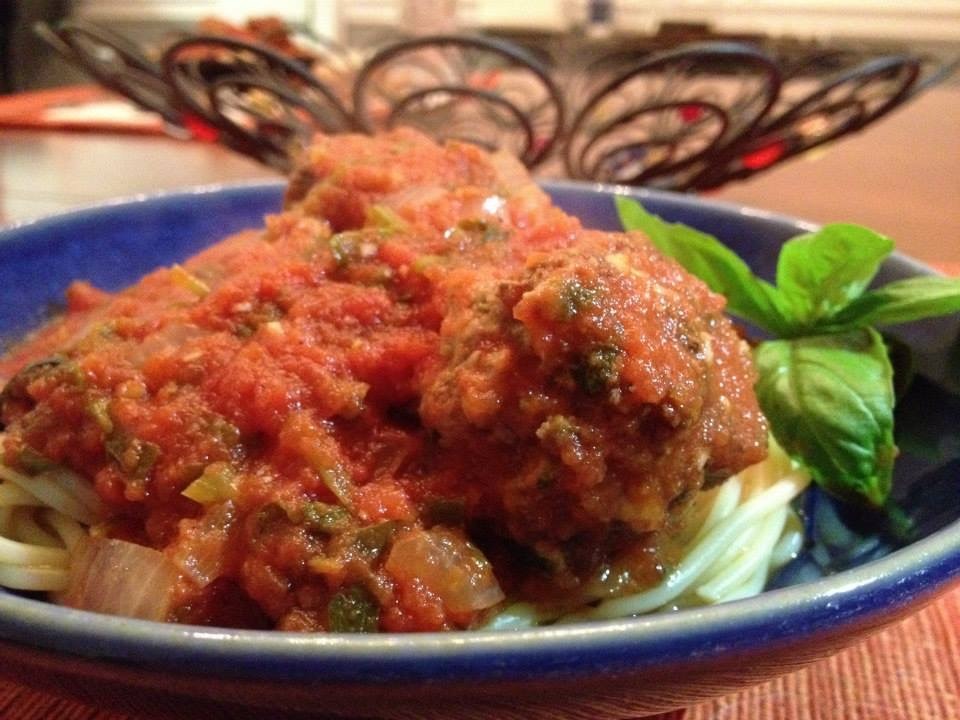
This is one of my husband’s favorite dishes, so I decided to try out a recipe. First, start the sauce: in a large Dutch oven, heat a little olive oil, then sauté 1 onion (chopped) and 4 cloves garlic (minced). When fragrant, add a 56 oz can of plum tomatoes and their juices pureed with a 16 oz can of crushed tomatoes, 6 oz tomato paste (which I forgot), 1 cup water (which I omitted), 1 bay leaf, 1 bunch Italian parsley (chopped), fresh marjoram (about 4 long sprigs), 1 chopped Cubano chile pepper (here, Anaheim), and about a ¼ cup of fresh basil leaves. Bring to a boil, then cover and reduce to a simmer, cooking for 30 mins. In the mean time, prepare the meatball mixture: mix ½ lb each minced beef, pork, and lamb (here ¾ lb each minced beef and pork), 2 large eggs, 1/3 cup Parmesan, 4 cloves garlic (minced), ¼ cup dry bread crumbs, ¼ cup chopped Italian parsley, and salt and black pepper. Roll into 1 1/2 inch balls. Heat olive oil in a high-walled sauté pan, then brown the meatballs in batches (no need to cook through). When the sauce has finished simmering for 30 mins, add the browned meatballs to the pot. Cover and let simmer for 15 mins. Season sauce to taste (I added some crushed red pepper, a Tbsp of red wine vinegar, and about 5 Tbsp of white sugar to balance out sourness). Serve over freshly cooked spaghetti and garnish with fresh basil. This recipe is from Spaghetti and Meatballs with Tomato Sauce by Bobby Flay on Food Network, with modifications noted above. (Nov. 2013)
-
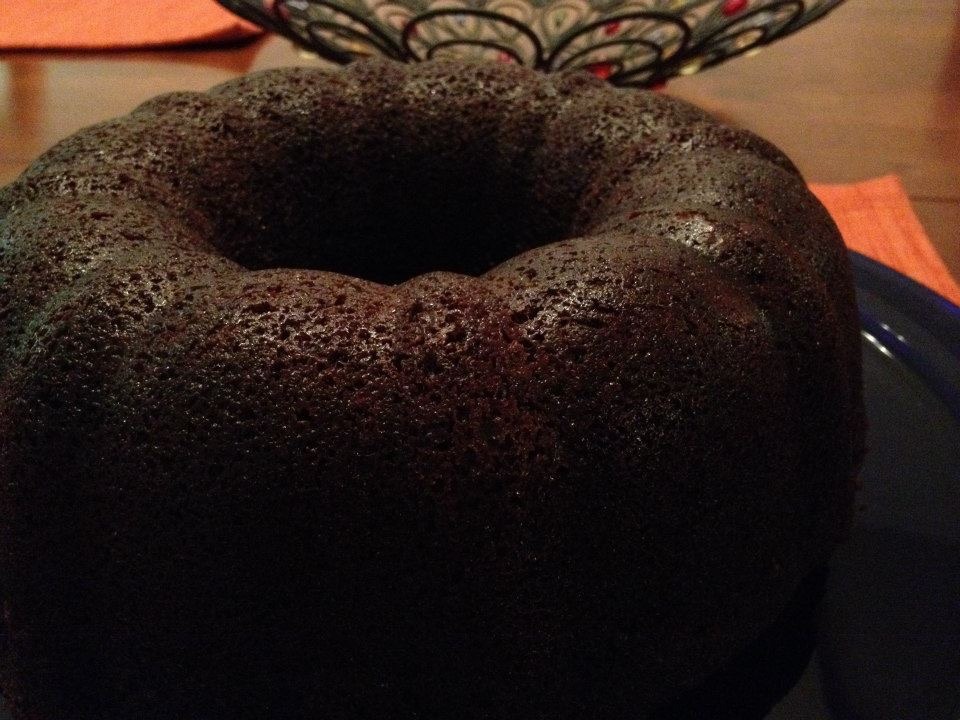
This is a beloved family recipe from my best friend’s mom. Auntie Jenny, as I called her, routinely baked this cake. She called it her “no fail chocolate cake” because the ingredients were so simple and instructions so straightforward. My husband loves that this recipe includes a cup of hot coffee.
Preheat oven to 350. Sift the following dry ingredients together: 2 cups flour, 2 cups white sugar, ½ tsp salt, 1 tsp baking powder, 2 tsp baking soda, and 2/3 cup unsweetened cocoa powder. In a separate bowl, whisk together ½ cup vegetable oil, 1 cup (8 oz) milk, 2 large eggs, and 1 tsp vanilla extract. Using an electric mixer, gradually fold the dry ingredients into the wet until well mixed. Add 1 cup (8 oz) of hot coffee (here, I used freshly brewed Melitta hazelnut). Mix well (the batter will be thin), then pour into a greased cake pan (here, a bundt). Bake until knife comes out clean (about 35 mins). (Dec. 2013)
Note: We tried a gluten-free version, using King Arthur’s Flour measure-for-measure GF flour. The baking took an additional 15 mins. The texture was slightly grainy and not as fluffy as the original version. (July 2020)
-
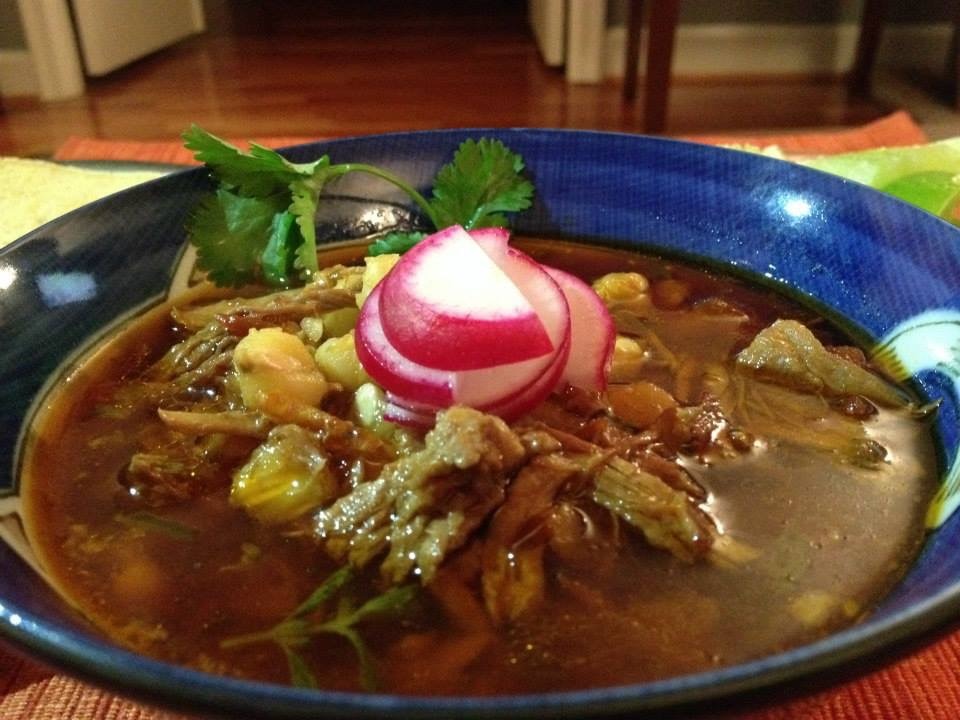
Using a large Dutch oven, saute 2 chopped onions in a little canola oil, sprinkle with a little salt. When translucent, add 5 cloves minced garlic. Place large chunks of bone-in pork shoulder (here, 4 ½ lb pork butt) in pot, browning on each side (about 8 mins). Add 14.5 oz canned, diced tomatoes, 6 cups chicken broth, several sprigs fresh marjoram (about 1 ½ Tbsp), and about 1 ½ tsp salt. Bring to a boil, then reduce to a simmer, cover, and place in a preheated 300 degree oven until pork is tender (about 2 hours). In the mean time, place 3 large dried Ancho chiles (seeds and stems removed) in 1 ½ cups boiling water, and cover until tender (about 20 mins). Blend ancho mixture until smooth, then set aside. Remove pot from oven, skim fat, and remove the large pork chunks and set aside. Add 40 oz (three 13.5 oz cans) canned white hominy (drained and rinsed) to the pot, along with the ancho mixture. Shred the pork and then return to the pot. Simmer stew until flavors meld (about 30 mins). Serve with warmed tortillas (I heated them one at a time in a skillet), lime wedges, roughly chopped cilantro, sliced avocado, and sliced radishes. This recipe is from The New Best Recipe Cookbook by America’s Test Kitchen. The next time I make this, I will reduce the pork to 2 ½ lbs and maybe increase the hominy. (Dec. 2013)
-
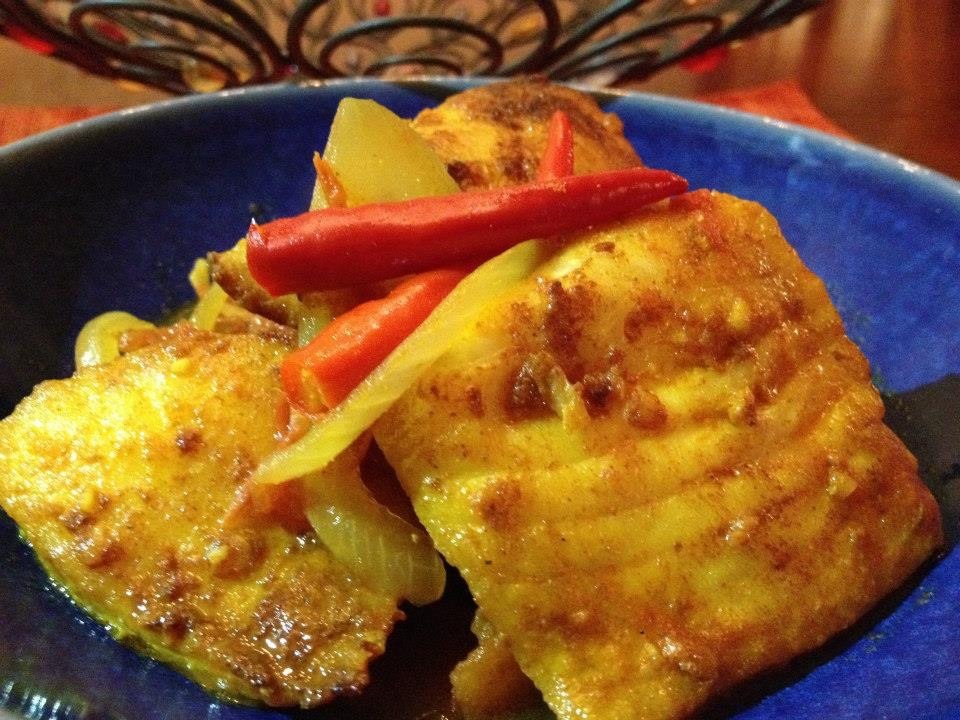
Marinate 1 lb catfish, cod, or tilapia fillets (6 pieces per fillet) in 2 tsp microplaned ginger, 4 cloves garlic (minced), 1 Tbsp fish sauce, 1 tsp turmeric, and 1 tsp paprika for at least 15 minutes. Heat a large nonstick, deep pan with 1 Tbsp neutral oil, then gently brown the marinated catfish on each side (I did this in 3 steps) and then place the catfish slices on a paper towel-lined plate. Once all fish is cooked, set it aside. Using the same pan, add a little more oil, then sauté 1 onion (sliced) until translucent. Then fold in 1 sliced tomato and 1 ½ tsp paprika. Saute until tomato slices have melted into the sauce. Then add 1 tsp fish sauce, 4 chili peppers (tops removed), and 5/6 cup water. Bring to a boil, then cover and reduce to a simmer for 2 minutes. Gently return fish pieces to the sauce, then cover and simmer until fish is cooked through (about 8 mins). Uncover and simmer until sauce reduces (about 6 minutes). Serve with jasmine rice. If desired, garnish with crispy fried shallots (available at Indian groceries). This recipe is from Double-Fried Fish Curry in Susan Chan’s Flavors of Burma, with some modifications (catfish instead of butterfish or mackerel, added fish sauce to the marinade). (Dec. 2013)
-
Subscribe
Subscribed
Have a WordPress.com account? Log in now.

